 By
By 
NGCOBO — As a severe community shutdown in Ngcobo enters its fourth day, bringing local trade, transport, and schooling to a standstill, political pressure is mounting on provincial authorities to intervene before the crisis destabilises the region further.
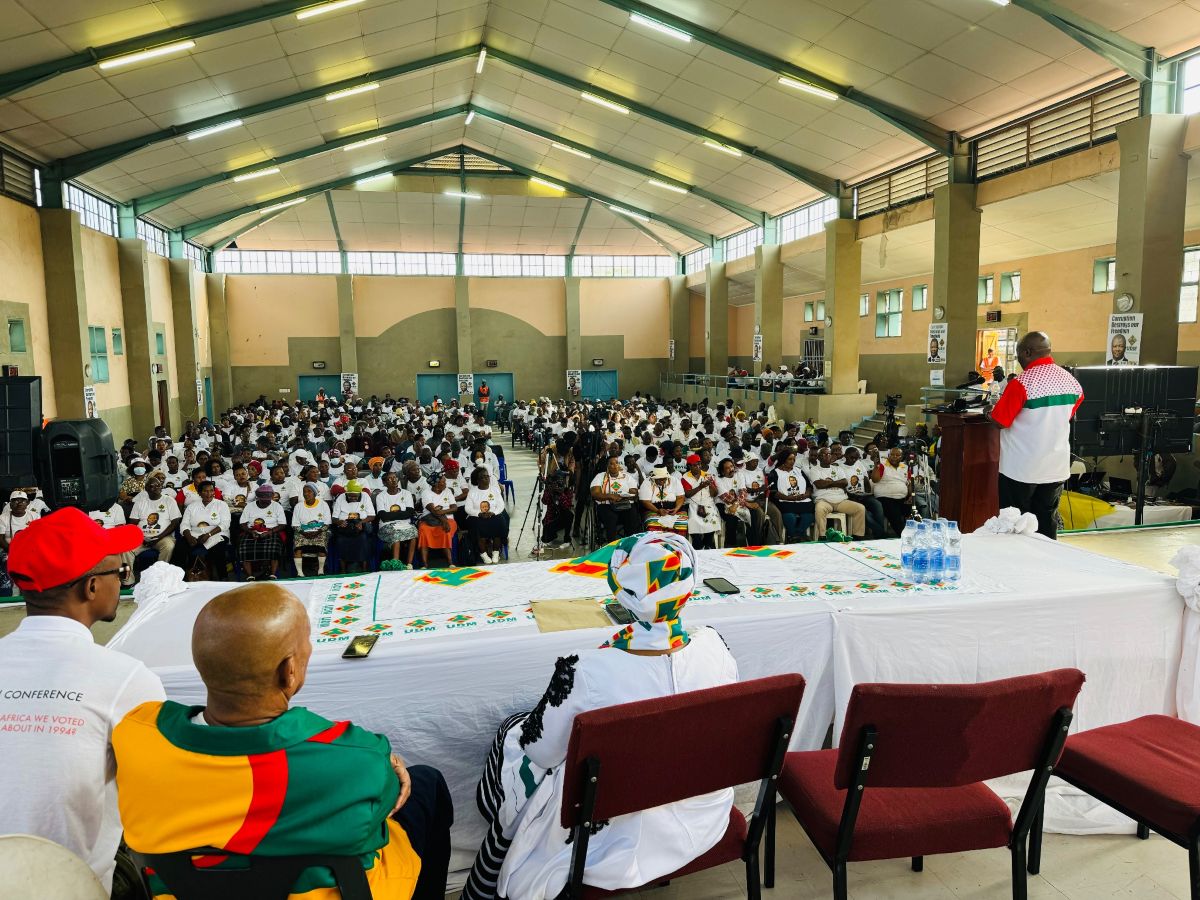
The United Democratic Movement (UDM) in the Eastern Cape has issued an urgent call for decisive government intervention to resolve the impasse, which stems from deep-seated community frustration over municipal management, labour disputes, and stalled infrastructure projects in the Dr AB Xuma Local Municipality.
In a statement released on August 14, 2026, Lusanda Madlebe, Acting Provincial Secretary of the UDM in the Eastern Cape, warned that allowing the town to remain locked down is unsustainable for both residents and the local economy.
“The situation cannot be allowed to continue without a clear and urgent response from government,” Madlebe stated. “While communities have a right to raise concerns about poor service delivery and governance, the disruption of businesses, schools, transport and the movement of ordinary residents is causing serious hardship.”
Mounting Tensions and Local Grievances
The ongoing protest, spearheaded by the Ngcobo Yethu Civic Organisation alongside local transport operators and affected workers, has effectively halted daily life across the town. Major access routes have faced blockades, leaving businesses shuttered and essential services inaccessible.
Among the key grievances driving the shutdown are allegations concerning municipal management, unresolved labour disputes involving municipal staff, and unfinished infrastructure developments.
Madlebe emphasized that these allegations require thorough and transparent investigation. “Where wrongdoing is established, there must be consequences,” she said. “Where allegations are not supported by evidence, this must also be made clear.”
The UDM expressed support for the directive issued by Eastern Cape Premier Oscar Mabuyane, who ordered the Member of the Executive Council (MEC) for Cooperative Governance and Traditional Affairs (COGTA) to investigate the civic group’s claims and present a formal report.
However, the party cautioned that commitments to investigate are no longer enough to quell community anger.
“The people of Ngcobo need to see meaningful action, not only promises of investigations,” Madlebe noted. “The investigation must lead to action where wrongdoing is established, and the findings must be communicated clearly to the public.”
A Call for Restraint and Stakeholder Dialogue

While acknowledging the validity of underlying service delivery concerns, the UDM appealed to demonstrator groups to maintain peaceful protests and refrain from damaging property or restricting access to essential facilities.
To break the deadlock, the UDM is advocating for an immediate round-table stakeholder meeting in Ngcobo. The proposed summit would bring together provincial government leaders, municipal administrators, organized labour, civic movements, taxi associations, and local business representatives to draft an actionable roadmap.
“It should not require a town to be brought to a standstill before legitimate community concerns receive the attention of government,” Madlebe argued. “Government must not wait for communities to shut down towns before responding to their concerns.”
The immediate priority for provincial leaders remains reopening roads, restoring civil order, and enabling children and workers to return safely to school and work. Nevertheless, analysts point out that long-term stability in the municipality will depend entirely on whether provincial authorities deliver concrete solutions to chronic issues surrounding roads, water supply, and municipal governance.