 By
By 
JOHANNESBURG — Senior government leaders and business executives from South Africa and Zimbabwe are set to gather in Midrand on Friday to address persistent trade bottlenecks and explore deeper industrial integration.
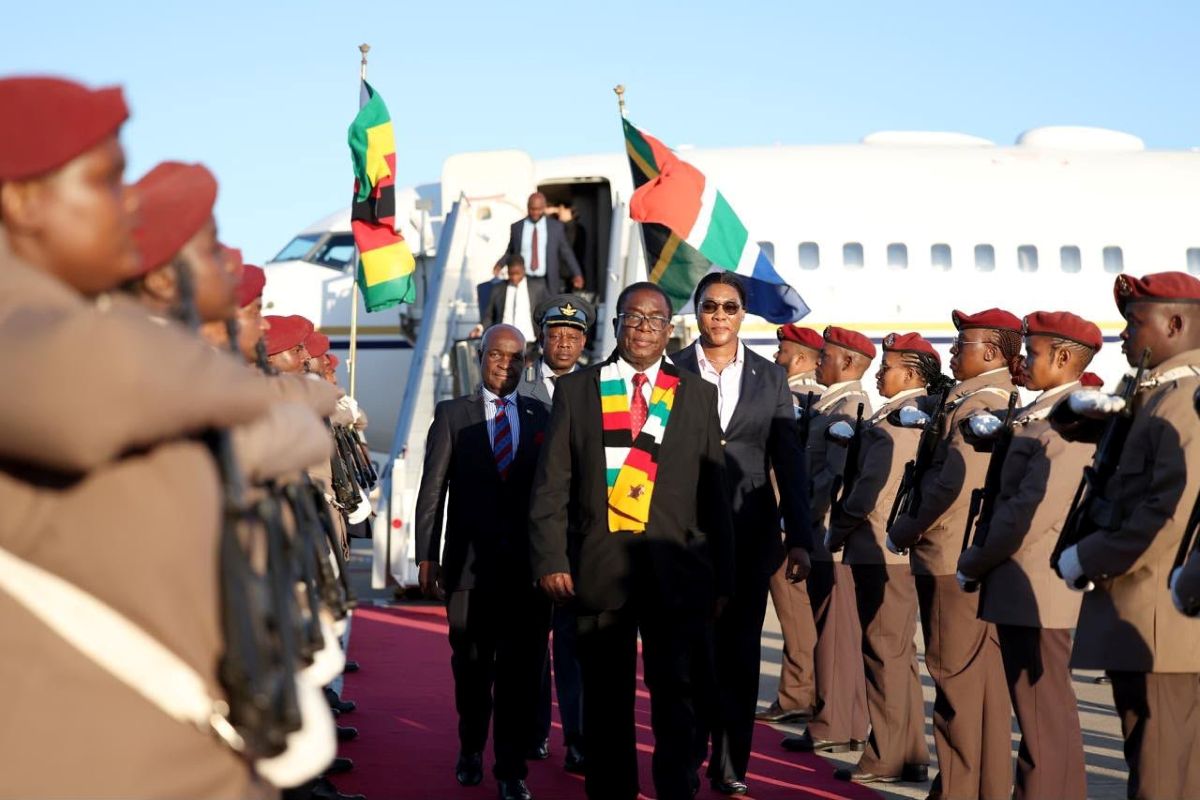
Hosted by the Department of Trade, Industry and Competition (the dtic), the South Africa–Zimbabwe Business Forum will take place on 21 August 2026 at the Gallagher Convention Centre. Held alongside the broader South Africa–Zimbabwe Bi-National Commission (BNC), the summit will feature keynote addresses from South African President Cyril Ramaphosa and Zimbabwean President Emmerson Mnangagwa.
The high-level gathering comes at a crucial junction for Southern African economic policy, as both nations look to translate political goodwill into practical, private-sector-led commercial partnerships.
Clearing the Channels for Bilateral Commerce
While South Africa and Zimbabwe share a long history of cross-border commerce, private sector operations have frequently faced hurdles in logistics, border management, and regulatory alignment. The upcoming forum aims to serve as an actionable platform for direct dialogue between policymakers and business leaders to confront these operational barriers head-on.
Key agenda items for the forum include:
- Transport & Logistics Connectivity: Streamlining transit routes and border point operations to reduce delays and transport overheads.
- Industrial & Special Economic Zones: Fostering cross-border cooperation between special economic zones (SEZs) to attract joint manufacturing ventures.
- Technology Transfer & Capital Equipment: Facilitating easier flow of capital goods and technological expertise to boost manufacturing efficiency.
- Regional Value Chains: Developing integrated supply chains that leverage each nation’s natural resources and industrial capacities.
By aligning infrastructure and trade policy, both countries aim to build more resilient regional supply networks capable of enduring global market fluctuations.
Aligning with AfCFTA and SADC Objectives
The forum’s focus extends beyond bilateral commerce, intersecting directly with broader continental initiatives such as the African Continental Free Trade Area (AfCFTA) and the Southern African Development Community (SADC) regional integration agenda.
South Africa’s Minister of Trade, Industry and Competition, Parks Tau, highlighted the strategic importance of expanding intra-African trade through practical economic interventions.
“South Africa and Zimbabwe enjoy longstanding economic and commercial relations that continue to contribute to regional growth and development,” said Tau. “The Business Forum provides an important platform for government and the private sector to engage on practical measures aimed at increasing bilateral trade, facilitating investment and fostering industrial cooperation that delivers mutual benefit to both countries.”
Tau emphasized that deepening ties between South African and Zimbabwean enterprises is vital for driving value-added manufacturing across Southern Africa.
“the dtic remains committed to supporting initiatives that enhance intra-African trade, promote value-added production and improve the competitiveness of our industries,” Tau added. “Through engagements such as this Business Forum, we seek to create new commercial opportunities that support inclusive economic growth, industrial development and sustainable job creation across the region.”
Translating Policy into Business Reality
For institutional investors and local enterprises, the primary test of Friday’s summit will be whether it produces concrete framework agreements or remains a purely symbolic gathering. The inclusion of top economic policymakers alongside the two Heads of State signals a mutual drive to yield tangible commercial outcomes.
As Southern Africa works toward sustainable economic development, the Midrand summit presents an opportunity to modernize border trade logistics, harmonize manufacturing standards, and unlock new investment channels across the Limpopo.