 By
By 
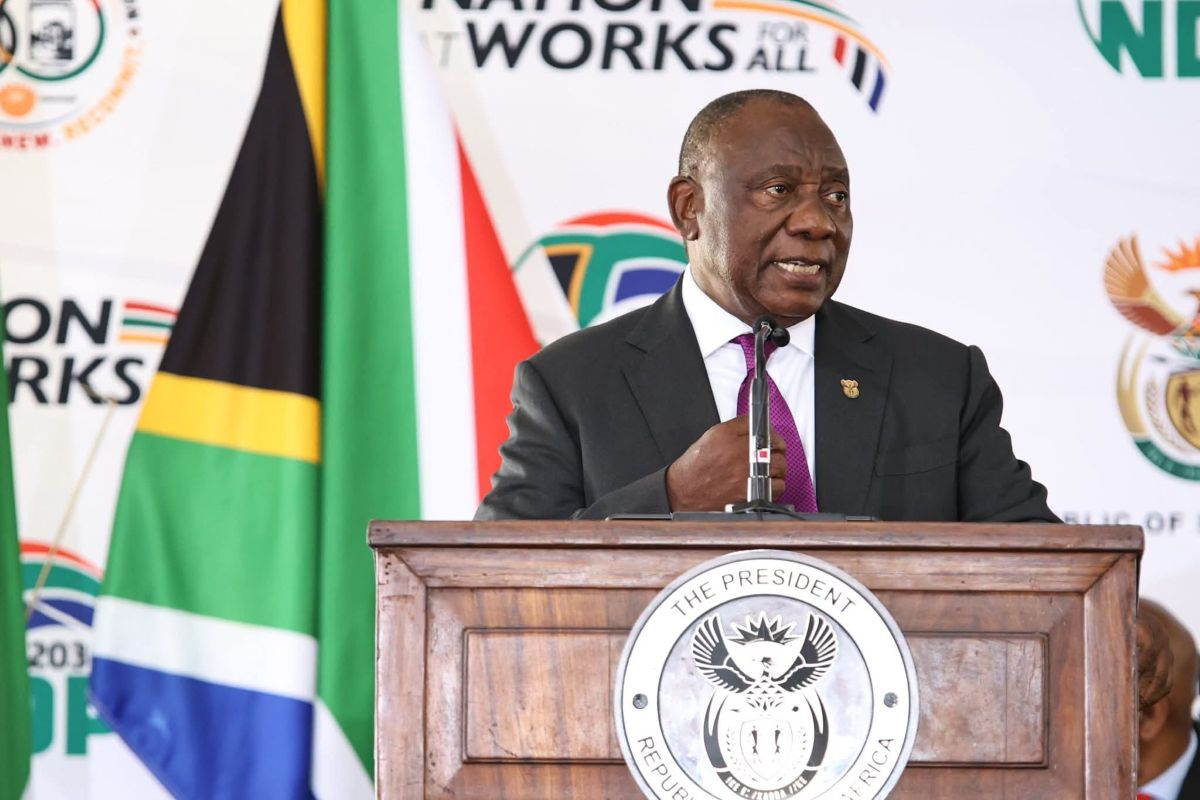
PRETORIA — In a major diplomatic push to reinforce regional integration and drive economic growth in Southern Africa, President Cyril Ramaphosa is co-chairing the fourth Session of the South Africa–Namibia Binational Commission (BNC) in Pretoria today alongside Namibian President Netumbo Nandi-Ndaitwah.
The high-profile gathering at the DIRCO Conference Centre marks the culmination of a week-long series of bilateral engagements, which included Senior Officials Meetings from July 14 to 15 and a Council of Ministers Meeting on July 16.
A Shared History and Aligned Vision
The relationship between South Africa and Namibia is deeply rooted in a shared history of solidarity forged during the liberation struggles against colonialism and apartheid. Since the dismantling of apartheid, the two nations have successfully negotiated and signed seventy-five (75) bilateral agreements and memoranda of understanding. These agreements span a wide array of critical sectors, including security, defense, science and technology, and the historically significant return of Walvis Bay.
Today, Namibia remains one of South Africa’s foremost strategic partners within the Southern African Development Community (SADC) and the African Union (AU). Both nations continue to champion Pan-African renewal, South-South cooperation, and a rules-based international governance system.

Driving Regional Industrialisation
Beyond geopolitical solidarity, today’s BNC places a heavy emphasis on economic growth. Running parallel to the main diplomatic session is the South Africa–Namibia Business Forum, which is convening under the theme: “Driving Regional Industrialisation, Investment and Sustainable Growth Through Strategic South Africa–Namibia Partnerships.”
The forum unites public and private sector leaders to actively expand trade and explore new investment avenues. This economic link is already robust; between 2023 and 2025, more than 50 South African corporations invested roughly USD 1.2 billion in Namibian mining, banking, insurance, real estate, and renewable energy, creating approximately 4,900 jobs.
As both leaders sit down in Pretoria, the focus remains clear: translating historic political solidarity into modern, mutually beneficial economic resilience.