 By
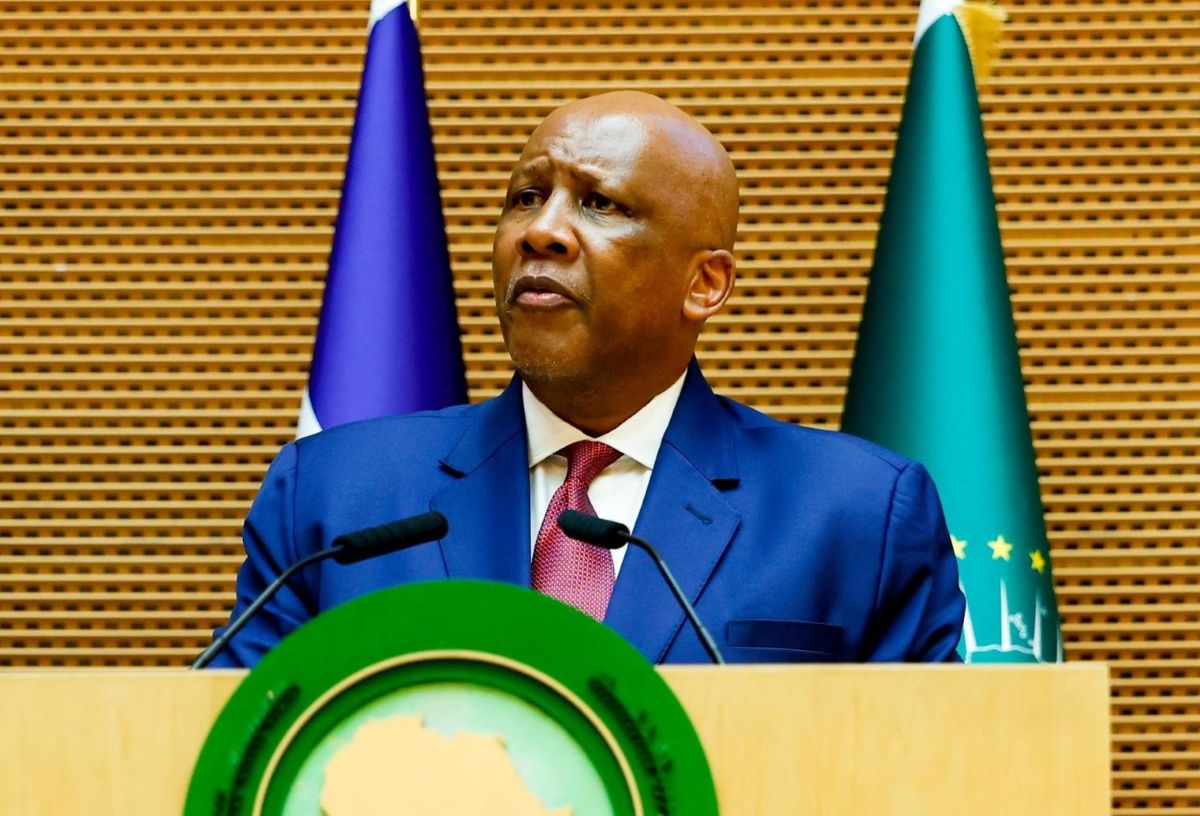
ADDIS ABABA — In a hard-hitting address that cut straight to the core of the continent’s developmental contradictions, His Majesty King Letsie III of Lesotho took to the podium in Addis Ababa on November 3, 2026, delivering an uncompromising challenge to African leaders, international partners, and financial institutions.
Speaking as the African Union Champion on Nutrition and the IFRC Champion for Food Security at the High-Level Convening on Advancing Durable Solutions Towards Zero Hunger in Africa, the monarch argued that Africa’s persistent food insecurity is no longer just a crisis of climate or conflict, but a test of political will and structural transformation.
Addressing high-ranking officials including AU Commission Chairperson Mahmoud Ali Yousouf and IFRC CEO Jagan Chapagain, King Letsie III framed access to safe, sufficient, and nutritious food not as a charity, but as a fundamental human right central to human dignity and Sustainable Development Goal 2.
Moving Beyond the Emergency Trap
For decades, international humanitarian responses have acted as a vital lifeline during acute shocks. However, King Letsie III warned that endless emergency relief without structural investment is a trap that condemns future generations to recurring cycles of dependency.
- The Cost of Fragility: Climate shocks, displacement, and economic volatility continue to expose the deep fragility of African food and nutrition systems.
- The Paradigm Shift: The continent must decisively transition from repeated crisis response to prevention, from dependency to self-reliance, and from fragmented projects to resilient food systems.
- The 2035 Target: Pointing to the African Union’s Comprehensive Africa Agriculture Development Programme (CAADP) Strategy and Action Plan for 2026–2035, the monarch emphasized that achieving zero hunger across all member states by 2035 will require aggressive implementation and institutional backing rather than empty endorsements.
Crucially, the King linked food security directly to water governance, noting that the AU’s focus on water and sanitation for 2026 underscores an inescapable truth: there can be no lasting food security without water security, healthy soil, and robust public health.
Four Pillars for Continental Transformation
Laying out a strategic roadmap for the delegates, King Letsie III proposed four mandatory imperatives designed to move the continent from promises to measurable execution:
- Political Leadership and National Ownership: Durable solutions cannot be designed from a distance; African governments must lead implementation while empowering local agency, including women, youth, pastoralists, and smallholder farmers. While praising regional efforts in the Horn of Africa, the monarch issued an earnest appeal to expand the Africa Zero Hunger Initiative progressively across all five geographical regions of the continent, ensuring no community is left behind.
- Transforming Food Systems and Safeguarding Heritage: Agricultural policy must look beyond sheer volume to prioritize accessibility, affordability, and year-round nutrition. The King called for increased support for smallholder farmers and a rediscovery of Africa’s indigenous, climate-resilient traditional foods, which diversify diets and reduce dependency on expensive imports. Furthermore, he stressed that investments in post-harvest handling, storage, processing, and transport are vital to preventing massive food loss between the farm and the table.
- Mobilizing Scalable Financing and Partnerships: Sound ideas must be matched with sustained, co-financed investments in climate-resilient agriculture, water management, and value chains. Public authorities, development banks, and the private sector must align around government-validated opportunities that simultaneously generate green entrepreneurship and jobs for Africa’s youth.
- Enduring Accountability and Rigorous Tracking: Condemning the historical trend of declarations losing momentum after high-level summits, King Letsie III demanded strict accountability. Every commitment must feature a responsible institution, a financial pathway, and mandatory progress reviews at 90 days, six months, and twelve months.
A Defining Test for Leadership
In closing his keynote, King Letsie III reminded delegates that history will judge the summit not by speeches delivered, but by whether ordinary mothers can nourish their children and whether vulnerable farmers can face droughts with confidence.
“Hunger is not merely the absence of food,” the King stated. “It is the denial of opportunity and the erosion of human dignity… It is a daily reality that asks whether Africa’s leadership is equal to the promise of its people.”
As political and humanitarian leaders digest the blueprint laid out in Addis Ababa, the message from Lesotho’s monarch remains clear: the tools, institutions, and experiences already exist. What remains is the disciplined collective will to turn an ambitious vision into a hunger-free reality.