
 By
By Africa, a region riddled with instability is currently faced with complex economic issues and has to find ways to navigate through them and improve the quality of life on the continent.
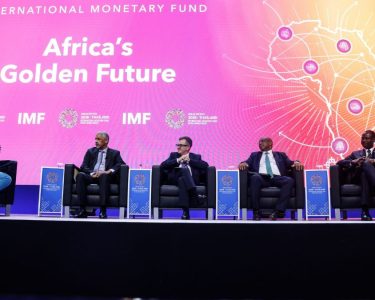
During the International Monetary Fund (IMF) and African Caucus meeting on 22 October 2024, progress towards raising the standard of living in Africa topped the agenda, the meeting also pointed out that Africa is navigating a complex economic landscape.
Policy making in Africa has become especially challenging given the challenges pointed out during the meeting, these include: geopolitical fragmentation, elevated borrowing costs, and the on-going high cost of living.
In their joint statement, the finance Minister of Nigeria and Chair of African Caucus Mr Wale Edun and the Managing Director of the IMF Ms Kristalina Georgieva expressed concern on the rate of instability in some of the countries on the continent and its impact on the economy and society.
“Some countries have also faced social instability and insecurity which imposes heavy human costs on populations while also undermining growth prospects and exacerbating economic vulnerabilities. This creates acute trade-offs in policy making, further complicating the objectives of promoting inclusive development. Yet, progress has been made in bringing down inflation, stabilizing public debt, and pressing ahead with reforms. Looking ahead, growth is expected to soften next year, with significant variation across the region.
Together we are committed to strengthening Africa’s resilience to address the many challenges facing the continent. Policy priorities in the region are focused on securing the economic recovery, continuing to address imbalances, and creating space for much needed development focused investment. In countries where inflationary pressures are receding and inflation is near target, there is space to gradually ease towards a more neutral stance in close cooperation with other policies.
In countries where inflation is still elevated, further tightening may be required. The exchange rate, where appropriate, should be allowed to play its shock absorber role while mitigating second-round effects of depreciation. Fiscal policy needs to find the right balance to address debt vulnerabilities and spending pressures,” read the statement.
“Renewed focus on enhancing domestic resource mobilization is critical and it should be supported by governance reforms to improve public financial management, fiscal transparency, and enhance accountability. We welcome the launch of the Joint Domestic Resource Mobilization Initiative (JDRMI) by the IMF and World Bank which seeks to improve domestic revenue mobilization, enhance spending efficiency, and develop domestic financial markets.
We support a joint effort to channel more affordable financing for development, including for climate change adaptation and mitigation. This urgent need for scaling up concessional financing for Africa needs the support of all partners.
The recently approved Review of the Poverty Reduction and Growth Trust (PRGT) allows the Fund to maintain adequate financial support to low-income countries, while restoring the self-sustainability of the Trust. The Review of Charges and the Surcharge Policy has substantially reduced the cost of borrowing,” continued the two leaders.
Four African countries are said to be exempted from the surcharges because their credit outstanding will be below the new threshold under the General Resource Account (GRA) when the reform becomes effective on 1 November 2024.
“The Resilience and Sustainability Trust (RST) is providing longer-term affordable financing to address longer-term challenges, including climate change and pandemic preparedness. We encourage continued support to ensure that the RST has the financing available to meet growing needs. We welcome the IMF Executive Board approval of the use of SDRs for the acquisition of hybrid capital instruments issued by prescribed holders. This will allow members to channel SDRs to Multilateral Development Banks as part of their capital.
“We welcome the conclusion of the 16th General Review of Quotas (GRQ) with the approved increase of IMF members’ quotas by 50 percent. We encourage more work on quota realignment towards developing economies, including through a new quota formula, under the 17th GRQ. We look forward to welcoming the 25th Executive Board Chair intended for sub-Saharan Africa next month,” said Edun and Georgieva.