
 By
By Southern Africa stands at a critical crossroads in the global climate crisis. From recurrent, devastating droughts choking agricultural belts to sudden-onset tropical cyclones tearing through coastal infrastructure, the region’s exposure to weather- and climate-related hazards has intensified dramatically.

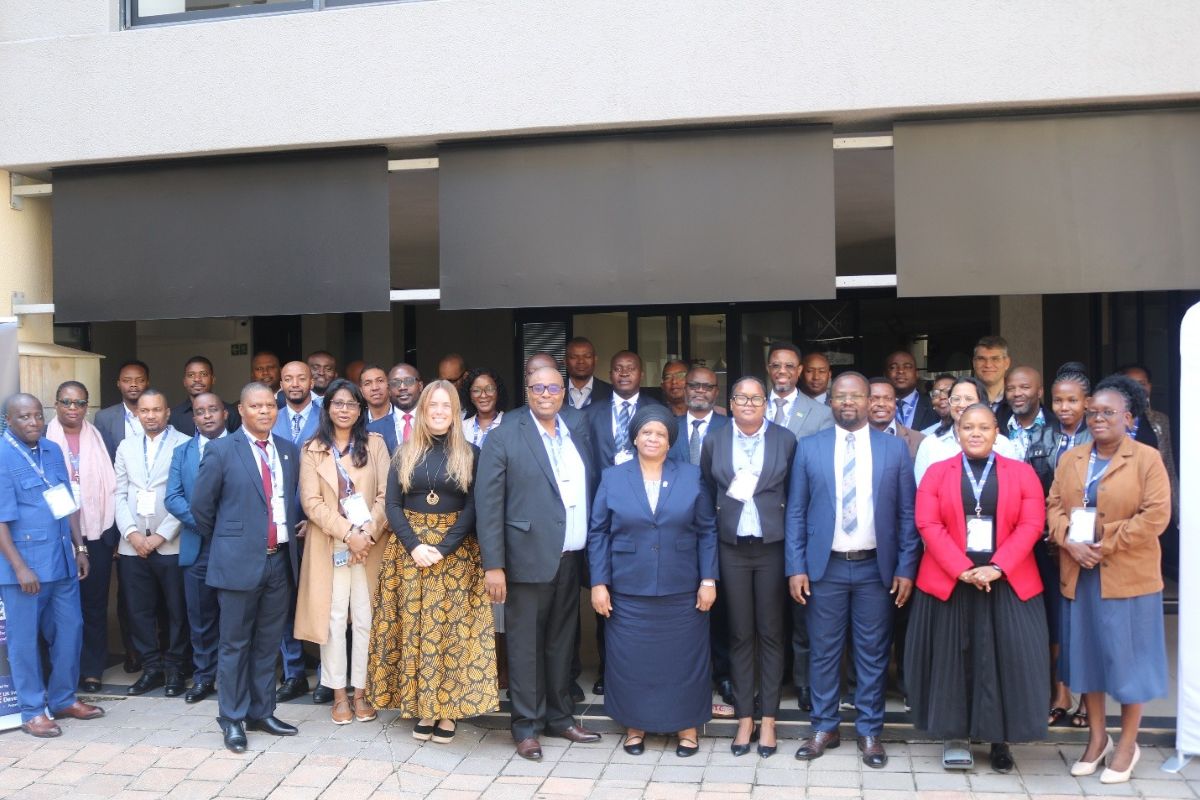
In response to this mounting existential threat, regional leaders, meteorological experts, and disaster risk management pioneers convened in Durban, South Africa, for a high-level regional coordination session.
Jointly convened by the World Meteorological Organization (WMO) and the United Kingdom Met Office via the WISER ActionFirst™ Programme, the 8–9 September 2026 workshop served as a vital crucible for aligning institutional frameworks.
At the heart of the discourse were the Southern African Development Community (SADC) Climate Services Centre (CSC) and the SADC Humanitarian and Emergency Operations Centre (SHOC), whose active participation underscored an urgent regional transition: moving from reactive crisis management to proactive, anticipatory resilience.
The Imperative of Interoperability: Aligning the Value Chain
For decades, early warning systems in developing regions have suffered from structural fragmentation—meteorological data often remained siloed from disaster response operations, creating hazardous gaps between weather forecasting and community evacuation. The Durban workshop directly targeted these systemic vulnerabilities by mapping out operational collaborations across the entire early warning value chain.
Participants engaged in rigorous technical sessions examining the WMO Integrated Processing and Prediction System (WIPPS). Discussions focused on harmonizing institutional roles among WMO-designated Regional Climate Centres (RCCs), Regional Specialised Meteorological Centres (RSMCs), Regional Instrument Centres (RICs), Regional Training Centres (RTCs), and National Meteorological and Hydrological Services (NMHSs). By bridging the technical depth of meteorological science with the frontline operational capacity of disaster risk management institutions, the region is laying the groundwork for seamless digital interoperability.
Key Takeaway: The workshop emphasized shifting toward impact-based forecasting and warning services—predicting not just what the weather will be, but what the weather will do to vulnerable populations and infrastructure.
Complementary Strengths: CSC and SHOC in Action
The institutional synergy between the SADC Climate Services Centre and the SADC Humanitarian and Emergency Operations Centre represents a blueprint for regional cooperation. While the CSC excels in climate monitoring, predictive modelling, and delivering specialized climate services, the SHOC commands the logistical coordination required for emergency response and humanitarian deployment.
This dual-engine approach ensures that scientific data does not simply accumulate in digital archives, but translates into actionable intelligence. When a tropical cyclone forms or an prolonged drought threatens food security, this unified mechanism ensures that alerts cascade swiftly from regional centres down to National Disaster Management Authorities and, ultimately, to communities most at need.
“Our joint commitment with the WMO, National Meteorological Services, and regional stakeholders ensures that timely, accurate, and actionable early warning information reaches the populations most at need across Southern Africa.” — Mr. Anderson Banda (Director, SHOC) & Ms. Surekha Ramessur (Senior Programme Officer – Meteorology, SADC CSC)
Accelerating the ‘Early Warnings for All’ Initiative
The high-level gathering was fundamentally anchored in the global Early Warnings for All (EW4All) initiative, which champions the right of every citizen on Earth to be protected by life-saving multi-hazard early warning systems.
Achieving this ambitious target in Southern Africa requires massive mobilization: scaling up digital transformation, sharing emerging technologies, and enhancing technical cooperation among regional centres.
Development partners and Regional Economic Communities (RECs) used the platform to commit to enhanced financial and technical backing. By streamlining data exchange protocols and upgrading regional instrumentation, Southern Africa is steadily closing the technological divide that historically hindered rapid response.
Looking Ahead: Building Climate-Resilient Futures
As the Durban workshop concluded, a renewed sense of urgency and operational clarity prevailed. The collaborative frameworks forged between the SADC Secretariat, WMO, UK Met Office, and national agencies signal a maturing regional architecture. In an era where climate change continues to rewrite historical weather patterns, institutional cohesion is no longer optional—it is a matter of survival.
By transforming early warnings into early action, SADC’s specialized centres are proving that regional solidarity and scientific rigor can effectively safeguard lives, livelihoods, and sustainable socio-economic development across Southern Africa.