 By
By The Electoral Commission of South Africa (IEC) has officially certified an unprecedented 136,790 candidates to contest the upcoming local government elections scheduled for 4 November 2026. This figure marks a massive surge compared to the 95,427 candidates who contested the corresponding local government elections in 2021, setting the stage for what is expected to be one of the most fiercely contested democratic exercises in the country’s history.

Following the close of the candidate nomination window on 28 August 2026—where digital adoption peaked with 84% of submissions processed via the Online Candidate Nomination portal—the IEC navigated extensive statutory reviews and cross-matching processes. These checks resulted in the disqualification of 5,096 candidates, while leaving a robust and diverse field vying for 10,526 available council seats across 8 metropolitan, 44 district, and 205 local municipalities.
The Logistics Nightmare: Double-Column Ballots and Megacity Crowds
The staggering proliferation of political parties and independent contenders has triggered major administrative adjustments, particularly regarding ballot paper design. The IEC confirmed that any municipality featuring more than 48 parties or candidates on a single ballot category will unavoidably require a double-column ballot paper.
Major metropolitan areas are heavily impacted by this political crowding:
- City of Johannesburg: A staggering 75 parties are registered for the Proportional Representation (PR) ballot, alongside a ward contest in Ward 18 featuring 63 individual candidates.
- City of Tshwane: 70 parties.
- City of eThekwini: 69 parties.
- City of Ekurhuleni: 67 parties.
- City of Cape Town: 55 parties.
Out of the total certified pool, political parties account for 99.5% of nominations, while 621 independent candidates will contest ward seats following the legislative reforms allowing independent participation.
Demographics and Representation Realities
An analysis of the candidate demographics reveals persistent trends alongside notable shifts:
- Age Distribution: While candidates span a broad spectrum, the 40–49 age bracket leads at 31%, followed by the 50–59 range (24.3%) and the 30–39 range (23.8%). The broader youth category (ages 18–39) accounts for 32% of all candidates, pointing to lingering structural underrepresentation relative to their demographic weight.
- Gender Divide: Male candidates maintain a clear majority at 62% (85,263) compared to female candidates at 38% (51,527). The gender disparity is sharper in direct ward contests, where men constitute 65% of candidates, whereas PR lists show a slightly more balanced split with women at 44%.
Key Milestones on the Road to November 4
With candidate finalization out of the way, the election timetable accelerates over the coming weeks:
- 23 September 2026: Contesting parties will sign the Electoral Code of Conduct. Crucially, the IEC is implementing a new Code of Conduct on Measures to Counter Disinformation for the first time to safeguard the integrity of the information ecosystem. A ballot paper draw will also take place to finalize printing sequences.
- 25 September 2026: Official certificates will be electronically issued to qualified independent candidates and transmitted to party administrators.
- 21 September to 12 October 2026: Applications open for special votes, accommodating home visits for incapacitated voters and mobile station provisions for essential service workers or voters away from their registered districts. Special voting days are set for 2 and 3 November 2026.
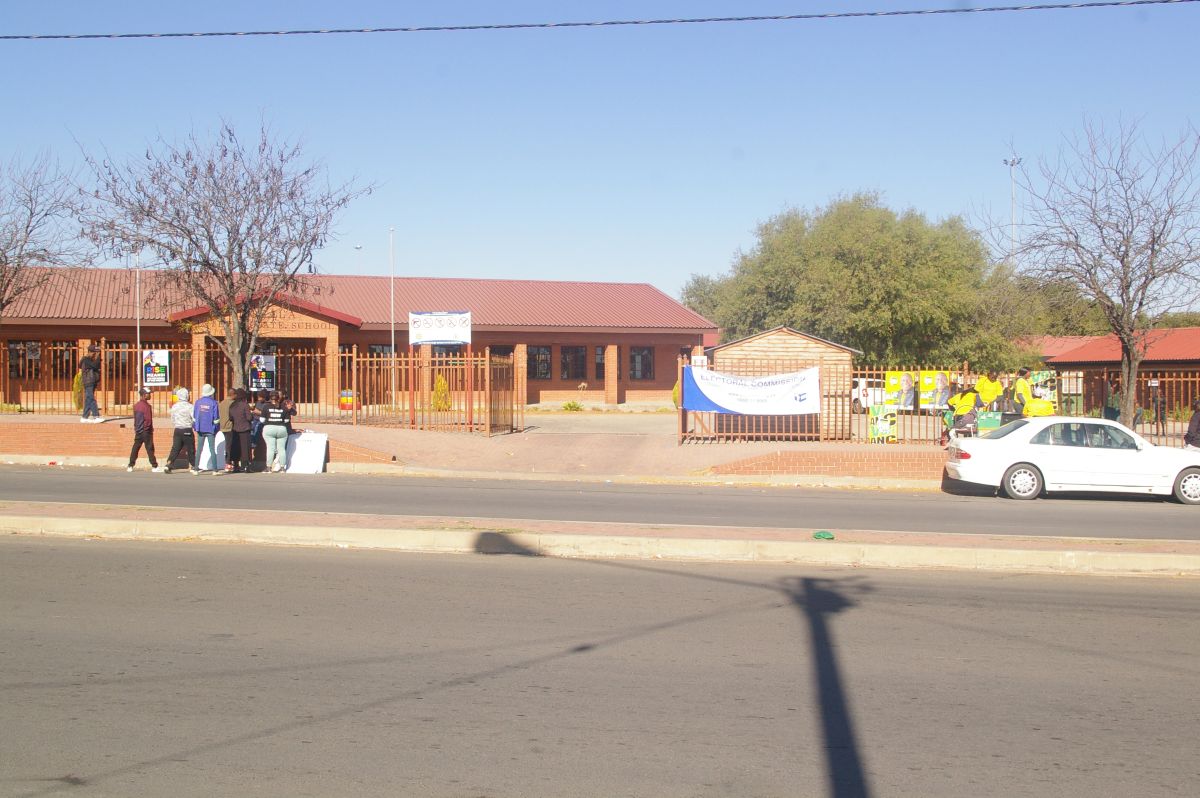
As the IEC finalizes its network of 23,696 voting stations and opens results systems for independent party testing in early October, the commission faces mounting pressure to deliver a flawless electoral administration. For the country’s political landscape, the countdown to 4 November has officially begun.