 By
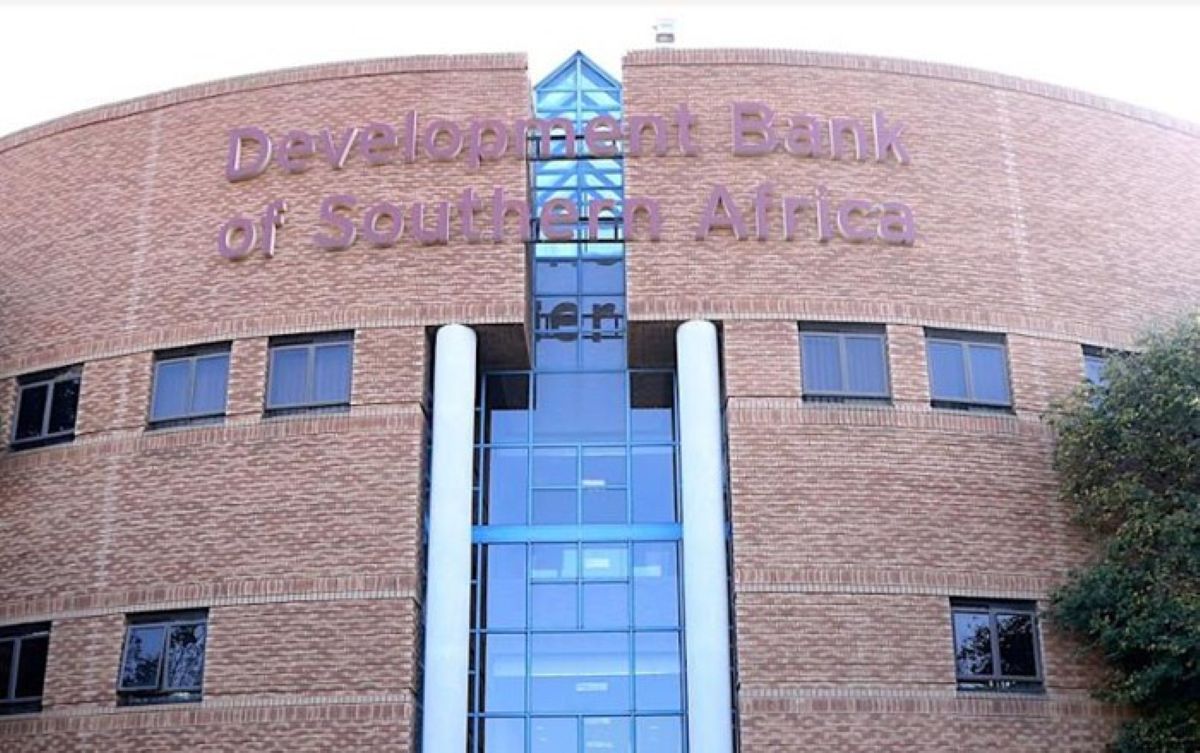
By The Development Bank of Southern Africa (DBSA) has released its financial results for the year ended 31 March 2026, showcasing robust profitability and strategic resilience despite a complex and volatile macroeconomic backdrop.

Published on the JSE Limited’s Stock Exchange News Service (SENS), the results highlight the institution’s capacity to navigate heightened geopolitical tensions, tighter global trade dynamics, and domestic structural hurdles while maintaining its core focus on sustainable infrastructure development across the African continent.
Navigating a Complex Macroeconomic Landscape
The 2025 and 2026 financial years brought significant hurdles to the global economy. The introduction of reciprocal tariffs in 2025 altered international trade dynamics, elevated geopolitical tensions, and increased the overall cost of doing business.
These pressures were heavily compounded in early 2026 by an escalation of geopolitical tensions culminating in conflict within the Gulf Region. The resulting disruption of the Strait of Hormuz trade route and damage to oil infrastructure drove oil prices upward, pushing global inflation well past central bank targets.
For the broader African continent, these shocks amplified sovereign debt vulnerabilities, drawing critical resources away from social and human capital investments. Meanwhile, oil-importing nations faced mounting fiscal strain.
Locally, South Africa continued to grapple with unsatisfactory economic growth, alongside lingering structural constraints in key sectors like ports and railways. However, ongoing structural reforms and increased private sector participation are expected to mitigate these logistical bottlenecks.
Additional sentiment challenges arose from shifts in US-South Africa relations, while municipal credit risk remained elevated due to financial distress, budgetary constraints, and service delivery issues across local government.
Despite these intersecting risks, broader financial market indicators displayed notable resilience, characterized by a strengthening rand driven by a softer US dollar, declining government bond yields, rising foreign bond inflows, and improved business confidence.
Financial Performance Highlights: Solid Earnings and Profitability
Against this testing backdrop, the DBSA delivered a stellar financial performance, anchored by strict cost control and strong asset growth.
- Profitability Surges: Net profit experienced a significant upward trajectory, climbing 47.0% to R7.8 billion, up from R5.3 billion in the previous financial year. Sustainable earnings similarly jumped 44.6% to R7.4 billion (compared to R5.1 billion previously).
- Core Income Expansion: Net interest income increased by 5.6% to R8.9 billion, while operating income registered a robust 21.7% increase, reaching R10.6 billion. Concurrently, interest expenses dropped by 11.2% to R4.5 billion.
- Improved Returns on Equity: Driven by higher profitability and an expanded equity base, the Return on Equity (ROE) on net profit advanced to 12.7% (from 9.7%), while ROE on sustainable earnings rose to 12.0% (from 9.3%).
- Cost Optimization: The bank’s commitment to operational efficiency yielded a lower cost-to-income ratio of 20.3%, improving from 22.0% in the prior year and tracking well below the internal 35% limit.
Balance Sheet Strength and Asset Quality
The DBSA’s balance sheet expanded steadily, with total assets growing by 7.8% to reach R130.5 billion as of 31 March 2026, compared to R121.9 billion in 2025. Total gross development loans and development bonds held at amortised cost increased by 5.1% to R120.4 billion. Total disbursements (loans and equities) accelerated by 18.3% to R20.7 billion, while equity investments grew by 20.8% to R5.5 billion.
Asset portfolio quality remained remarkably resilient. Impairment losses dropped significantly to R930 million, down from R1.5 billion in the preceding year. While the gross Non-Performing Loan (NPL) ratio rose slightly to 3.9% (from 3.2%), the net NPL ratio improved to 1.17% (from 1.2%).
The bank’s capital adequacy and leverage metrics remained comfortably within regulatory limits. The debt-to-equity ratio (excluding R20 billion in callable capital) improved to 95% from 105%, staying well inside the 250% regulatory ceiling. Liquidity also remained healthy; total liquid assets stood at R13.7 billion, supported by a robust 30-day liquidity coverage ratio of 256%.
Delivering Tangible Development Impact

Beyond financial metrics, the DBSA continued to drive meaningful socio-economic outcomes via its infrastructure support framework, delivering a total infrastructure development support value of R62.4 billion. Key delivery pillars included:
- Infrastructure Delivery: R6.5 billion in delivered infrastructure value, R17.0 billion in prepared projects approved and enabled, and R3.5 billion in infrastructure unlocked for under-resourced municipalities alongside R14.7 billion in catalysed funds.
- Education and Sanitation: Through initiatives like the Department of Basic Education’s SAFE programme and provincial allocations, thousands of learners benefited from newly built schools, refurbished facilities, and improved sanitation.
- Job Creation and SMME Support: The bank’s projects facilitated 19,963 temporary and permanent jobs. Furthermore, local small, medium, and micro enterprises (SMMEs) and contractors secured significant participation, with black-owned entities delivering R5.3 billion in infrastructure (of which R4.0 billion was driven by black women-owned entities).
- Broader Regional Impact: Fund manager contributions supported the delivery of 3.8 million tonnes of food products, impacted over 110,940 smallholder farmers and micro-entrepreneurs, sustained 15,499 permanent jobs, and helped construct 47,545 kilometres of fibre.
Conclusion
The DBSA’s 2026 financial results underscore the efficacy of disciplined leadership, robust corporate governance, and strategic balance sheet management during a turbulent period. Backed by a healthy pipeline of future projects and strong capital buffers, the bank remains well-positioned to leverage strategic partnerships, address continental infrastructure deficits, and stimulate sustainable economic development.