 By
By 
LONDON — The Middle East stands on the precipice of a full-scale regional conflict after a fragile ceasefire collapsed into a violent weekend of strikes and counter-strikes between the United States and Iran. The rapid escalation has prompted United Nations Secretary-General António Guterres to issue an urgent plea for both nations to “urgently resume negotiations” before the crisis spirals completely out of control.
A Deadly Weekend of Escalation
The latest flare-up began on Saturday when the U.S. military launched a massive retaliatory campaign, striking approximately 140 targets. Washington stated the bombardment was a direct response to an Iranian attack on a vessel navigating international waters.
By Sunday, the conflict widened significantly. Tehran reportedly launched targeted attacks against a U.S. base in Jordan. Concurrently, a coordinated wave of Iranian missiles and drones struck targets across the Gulf, with the United Arab Emirates, Bahrain, Oman, and Kuwait all reporting they had come under fire.
As the strikes intensified, Tehran claimed it had successfully closed the Strait of Hormuz—a vital global energy chokepoint. While Washington quickly denied that the waterway had been shut, the threat alone has sent shockwaves through international markets.
The Toll on Global Commerce
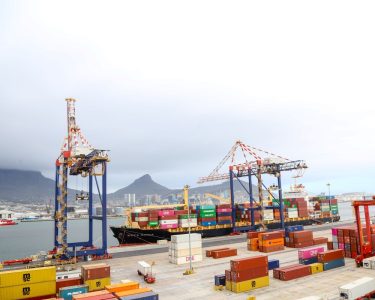
The collapse of the June 17 Memorandum of Understanding has immediately reverberated through the global economy. Energy prices spiked rapidly as commercial shipping through the strait between Iran and Oman ground to a sudden halt.
The maritime fallout is already severe. Despite the previous month’s diplomatic efforts, three merchant ships were struck last Tuesday. Currently, an estimated 6,000 seafarers remain stranded aboard scores of vessels trapped in the volatile waters. The head of the UN International Maritime Organization (IMO) has advised all transit through the strait be avoided “until the necessary safety conditions are in place.”

A Plea for Restraint
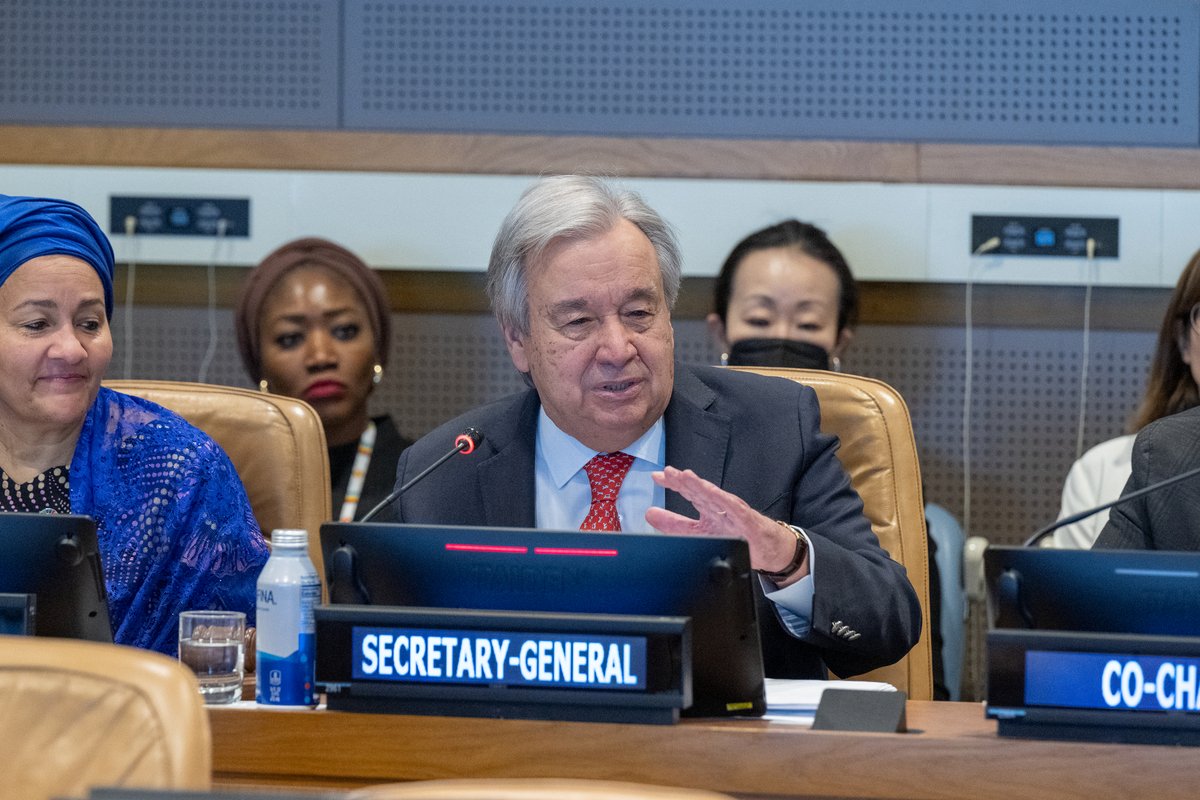
Reacting to the crisis, Secretary-General Guterres stated he was “deeply concerned by the serious escalation” and demanded an immediate cessation of hostilities. In a statement delivered by UN Spokesperson Stéphane Dujarric, Guterres called on all combatants to “exercise maximum restraint, avoid further escalatory action and take immediate steps to deescalate.”
The UN chief emphasized that a slide into full-scale war would bring “catastrophic consequences” not just for the populations of the Middle East, but for the global economy at large. Guterres insisted that “full freedom of navigation” must be restored to the Strait of Hormuz, urging both Washington and Tehran to abandon the battlefield and address their outstanding issues through immediate diplomacy.
With the region highly pressurized and the ceasefire broken, the international community now watches to see if either superpower will heed the UN’s warning, or if the Gulf will slide into open war.