 By
By 
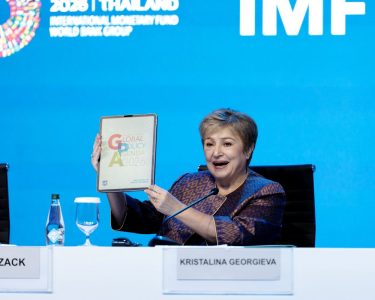
WASHINGTON, DC — In a powerful demonstration of institutional alignment, the heads of the world’s leading economic, energy, and trade watchdogs convened on July 7 to assess the ongoing global fallout from the war in the Middle East.
The high-level coordination group—comprising the International Energy Agency (IEA), International Monetary Fund (IMF), World Bank Group (WBG), and World Trade Organization (WTO)—issued a joint statement on July 8 emphasizing that while the global economy has shown broad resilience, the recovery remains highly fragile and unevenly distributed.
A Mixed Economic Bag
According to the leaders, the macroeconomic shock waves from the conflict have bypassed a worst-case global recession, but the stability is deceptive. While headline global growth numbers hold steady, specific vulnerable economies are grappling with distinct growth slowdowns and stubborn upticks in inflation.
The impact has fractured along regional lines, disrupting:
- Energy supplies and market stability.
- Food security and commodity supply chains.
- Localized economic activity, sparking deeper long-term concerns regarding price stability.

Relief at the Pumps, Strain at the Ports
In a sliver of good news for policymakers, the chiefs noted that fuel and fertilizer prices have dropped since their last meeting in June. However, they cautioned against complacency. “Uncertainty remains high, and the impacts of the war could linger,” the statement read, pointing to persistent strains in energy markets and global goods transit.
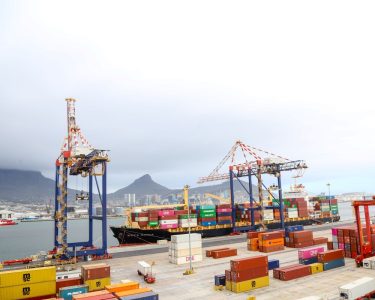
Central to the group’s concerns is the critical maritime choke point of the Strait of Hormuz. The heads explicitly called for progress toward a resolution of the conflict and the full reopening of the Strait. They urged governments to defend the principle of freedom of navigation—both in the region and globally—as a baseline requirement for economic stability.
The Road Ahead: Resilience Over Reaction
Looking forward, the four institutions are pivoting from emergency response to structural resilience. They called on the international community to bolster food and energy security through targeted interventions, such as upgrading port infrastructure and enhancing trade facilitation to prevent future supply bottlenecks.
The leaders pledged to maintain close monitoring of trade and energy developments, affirming their readiness to deploy further coordinated support as the situation evolves. For a global economy trying to shake off years of overlapping crises, the message from Washington is clear: resilience is the only antidote to prolonged uncertainty.