 By
By 
NAIROBI, Kenya — In a decisive move toward dismantling trade barriers and fostering inclusive economic growth, a high-level policy forum concluded here today with a resounding commitment to integrate youth and women into the mainstream of regional and continental trade.
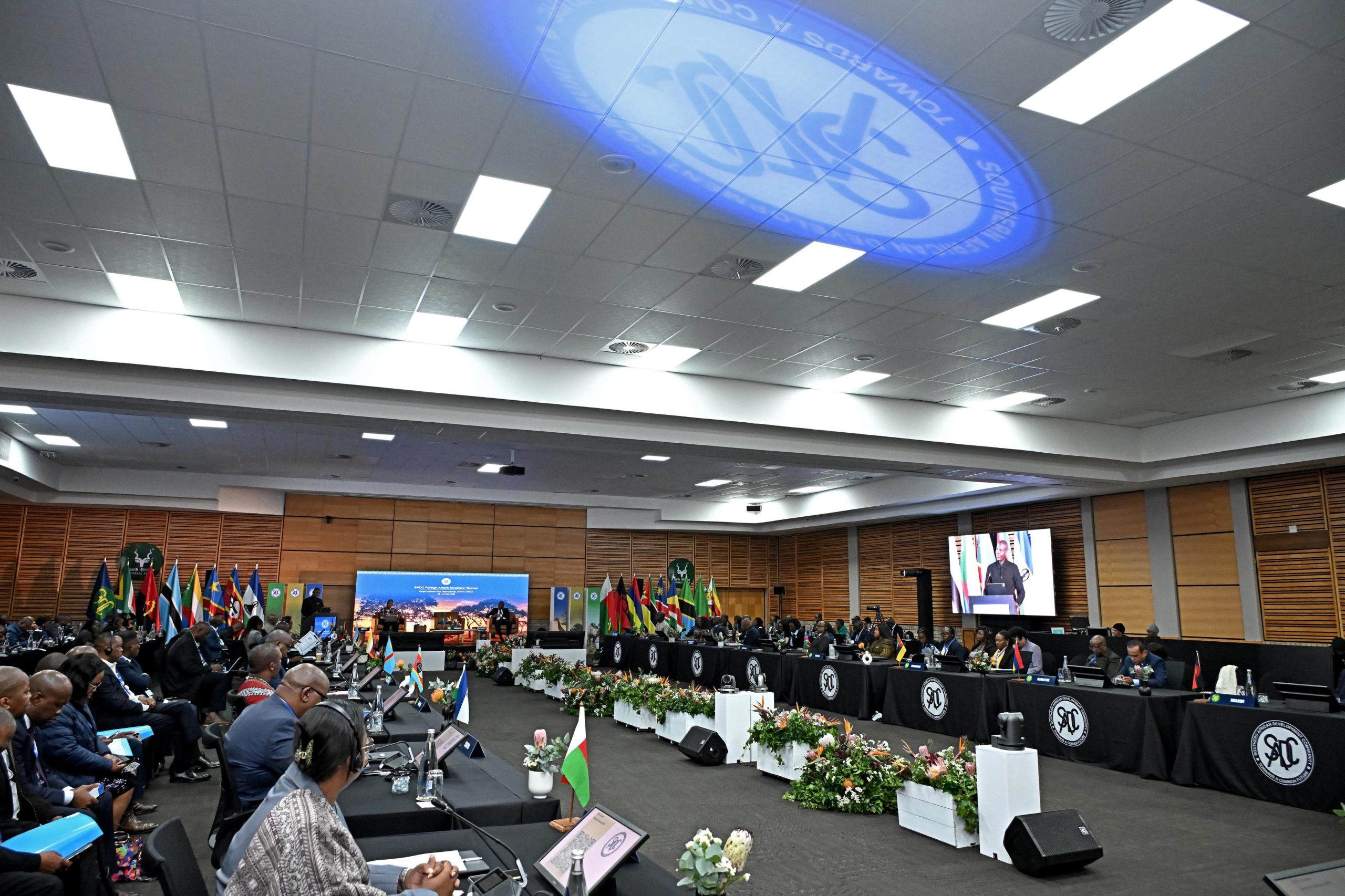
The Tripartite Youth and Women Trade Policy Dialogue Forum, held from May 20–21, 2026, brought together leaders and stakeholders from three of Africa’s largest regional economic communities: the Common Market for Eastern and Southern Africa (COMESA), the East African Community (EAC), and the Southern African Development Community (SADC).
Under the theme “From Participation to Prosperity: A Policy Dialogue on Youth and Women in Agribusiness and Cross-Border Trade,” the forum marked a paradigm shift in how regional bodies view small-scale entrepreneurs. Rather than treating youth and women as mere passive beneficiaries of trade policies, the dialogue established them as critical drivers of economic transformation and innovation.
Redefining the Margins of Trade
For decades, small-scale cross-border trade across the COMESA-EAC-SADC bloc has been dominated by women and youth. Yet, these traders have historically operated at the margins of formal systems, heavily constrained by systemic bottlenecks.
Dr. Dhunraj Kassee, Director of Industrial Development and Trade at the SADC Secretariat, highlighted the stark realities confronting young traders. He noted that many are severely restricted by:
- Limited information and capacity gaps
- Exorbitant transaction costs
- Persistent non-tariff barriers and cumbersome border procedures
To counter these obstacles, policy headers are placing renewed emphasis on the Tripartite Free Trade Area (TFTA) and the Tripartite Simplified Trade Regime (TSTR). According to Ms. Annette Kenganzi, Coordinator of Tripartite at the EAC, the TFTA unifies the three regional blocs into a singular, vast market aimed at slashing tariffs, cutting border red tape, aligning standards, and optimizing regional transport and logistics.
The Power of the Simplified Trade Regime
A central focus of the Nairobi dialogue was the operationalization of the TSTR—a policy designed specifically to formalize trade and alleviate burdens for small-scale merchants.
“This Dialogue reflects our collective commitment to strengthening inclusive regional and continental integration and ensuring that the benefits of cross-border trade are accessible to all, particularly youth and women who are at the centre of small-scale and informal trade across our borders,” stated Dr. Christopher Hugh Onyango during the forum’s opening address.
Dr. Onyango insisted that regional frameworks can no longer be drafted in isolation. Instead, the implementation of the TSTR must be directly informed by the lived, practical experiences of the traders themselves. “Youth and women traders must have a voice in shaping the frameworks and programmes that directly affect their businesses and livelihoods,” he concluded.
Digital Leapfrogging and Agribusiness
Beyond traditional policy harmonisation, the forum underscored the vital role of technology and agribusiness in modernizing African trade. Ms. Kenganzi urged small and medium-scale entrepreneurs to aggressively leverage e-commerce platforms and cross-border digital payment systems to expand their market reach.
Mr. Echessah Protase, a Senior Specialist at the Alliance for a Green Revolution in Africa (AGRA), expanded on this by highlighting that youth and women are the backbone of Africa’s evolving agrifood systems. While acknowledging the persistent challenges they face—such as finance shortages and strict standards compliance—Mr. Protase noted that the TFTA and TSTR provide an unprecedented opportunity to create a predictable, enabling environment for agribusiness entrepreneurs.
Reinforcing this vision, Mr. Protase reiterated AGRA’s continued backing of the Tripartite STR Project, aimed at strengthening regional food trade systems and embedding women and youth into lucrative regional value chains.
From Dialogue to Action: The Road to the Summit
The Nairobi forum was designed to be actionable, focusing on building practical capacity and facilitating direct, structured negotiations between traders and policymakers. Currently, the Tripartite Simplified Trade Regime Project is actively targeting financially disadvantaged young women and men to bridge awareness gaps regarding TFTA instruments.
The ultimate litmus test for the forum’s success will occur in a matter of weeks. The key recommendations and insights gathered over the two-day event are being compiled into the official Tripartite Youth and Women Trade Declaration. This document will be presented directly to the Tripartite Heads of State and Government Summit scheduled for July 2026.
By elevating the voices of small-scale traders straight to the highest levels of continental governance, the COMESA-EAC-SADC dialogue has laid a progressive blueprint for an integrated, prosperous, and genuinely inclusive African market.