 By
By 
JOHANNESBURG — South Africa’s Department of Trade, Industry and Competition (the dtic) is sharpening its focus on breaking down structural economic barriers and driving inclusive growth, signalling a deeper reliance on strategic private-sector partnerships to transform the domestic economy.
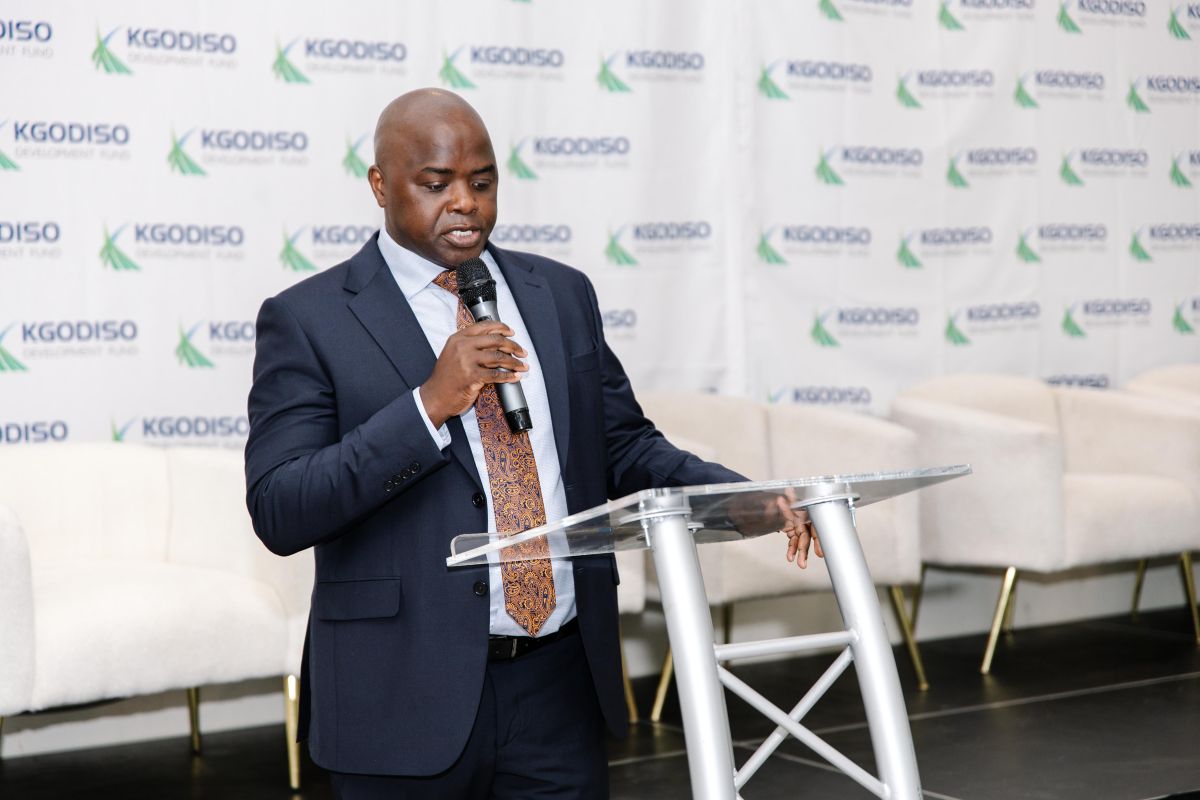
Speaking at a Kgodiso Development Fund stakeholder engagement in Johannesburg, Mr. Takalani Tambani, the dtic’s Chief Director of Transformation and Competition, reaffirmed that economic inclusion is a “non-negotiable” priority for the government. His remarks outline a clear roadmap for the country’s industrial strategy: leveraging corporate supply chains, accelerating localization, and scaling up black-owned enterprises to build resilience against a volatile global market.
Leveraging Corporate Value Chains for Broad-Based Growth
At the heart of the current conversation is the intersection of public policy and private capital. The dtic highlighted the Kgodiso Development Fund—an initiative designed to support black-owned farms and Small and Medium Enterprises (SMEs) across PepsiCo’s value chain—as a prime model for economic development.
According to Tambani, the fund serves as a benchmark for how regulatory “public interest conditions” can be effectively utilized to advance inclusive economic transformation. Rather than viewing compliance as a hurdle, the department views it as a mechanism to integrate historically disadvantaged players into the economic mainstream.
“Transformation must be measured in policy commitments, hectares planted, farmers funded, businesses sustained, and livelihoods improved,” Tambani stressed, underscoring a demand for tangible, ground-level metrics over bureaucratic box-ticking.
The Strategic Pillars: Localization and Industrialization
To withstand global trade shocks, the dtic is banking on a multi-pronged approach that blends aggressive industrialization with deepened localization. Industrialization remains central to the department’s core mandate, with the state placing heavy emphasis on developing key growth sectors:
- Agriculture and Agro-processing
- Manufacturing
- Tourism
- Green Industries
The department intends to deploy a combination of industrial financing, targeted market access initiatives, and robust supplier development programmes to build sustainable, competitive enterprises.
A critical element of this strategy is deepened localization, particularly within the agricultural sector. By building domestic manufacturing capability and sourcing locally, the dtic aims to not only shield the local economy from global supply chain disruptions but also to reposition South Africa as a formidable participant in global manufacturing value chains.
Funding the Future of Black-Owned Enterprise
Recognizing that capital access remains one of the steepest barriers to entry for emerging players, the dtic continues to champion dedicated funding mechanisms.
| Initiative / Programme | Primary Objective & Focus |
| The Transformation Fund | Aggregates enterprise and development funds specifically for small and black-owned enterprises to boost scale and market entry. |
| Black Industrialists Programme | Supports access by black-owned and controlled enterprises into the mainstream economy, driving large-scale industrial expansion. |
| Private Sector Funds (e.g., Kgodiso Development Fund) | Promotes inclusive growth, supplier development, and job creation across corporate value chains. |
By celebrating and collaborating with successful private sector funds, the government is signaling that the monumental task of job creation and economic restructuring cannot be done by the state alone.
Looking Ahead: A Resilient, Transformed Economy
The dtic’s latest policy push arrives at a critical juncture for South Africa, where unemployment and economic exclusion remain persistent challenges. By focusing heavily on capacity building, expanding market access, and diversifying trade, the department is trying to engineer a more resilient economic framework.
For international and domestic investors alike, the message from the dtic is unambiguous: sustainable economic growth in South Africa is intrinsically linked to transformation. Moving forward, the businesses that thrive will likely be those that integrate local suppliers, fund primary producers, and actively participate in building the country’s domestic manufacturing backbone.