By
By 
ABUJA — In a bid to de-escalate growing diplomatic friction and repair bilateral relations, South Africa’s Minister of International Relations and Cooperation, Ronald Lamola, has concluded a high-level diplomatic mission to Nigeria.
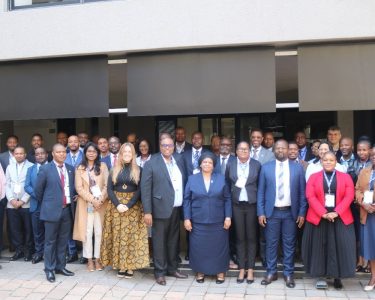
Serving as Special Envoy for President Cyril Ramaphosa, Lamola delivered an official presidential message to Nigerian President Bola Ahmed Tinubu in Abuja, setting the stage for direct, structured negotiations between the two continental powerhouses.
President Tinubu appointed a senior Nigerian government delegation to meet with the South African representatives for talks characterized by officials as candid, constructive, and forward-looking. The bilateral mission aimed to restore mutual goodwill and rebuild a diplomatic partnership strained by recent events surrounding cross-border crime, traditional sovereignty, and public safety.
Three Key Friction Points
At the centre of the diplomatic engagements were three specific issues raised by Pretoria that have heightened tensions between the nations:
- Sovereignty and Traditional Governance: Minister Lamola highlighted South African concerns over the purported installation of an unrecognized traditional ruler—styled as an “Igbo King”—in the Eastern Cape Province in March 2026. The incident caused significant public concern across South Africa, particularly as the nation works to consolidate the constitutional status of traditional leadership within its post-apartheid framework.
- Organized Crime and Justice System Processing: Pretoria expressed mounting concern regarding the involvement of foreign nationals, including Nigerian citizens, in organized crime, financial fraud, and illicit drug trafficking. According to official figures cited by the Special Envoy, more than 500 Nigerian nationals had been processed through the South African criminal justice system for various offenses as of July 7, 2026.
- Hijacked Properties and Law Enforcement Resistance: South African authorities raised red flags over instances where law enforcement officers faced violent resistance during criminal investigations. Discussions specifically focused on hijacked residential and commercial buildings in urban centres such as Johannesburg’s Hillbrow and Pretoria’s Sunnyside, where unlawful enclaves have severely compromised public safety.
“Regrettably, these incidents have fuelled negative perceptions surrounding Nigerian nationals living in South Africa over the years,” Lamola remarked during the proceedings. “Addressing these challenges firmly, fairly, and within the bounds of the law is vital for the well-being of both our nations”.
Targeted Policing versus Due Process
Addressing the data regarding the 500 processed detainees, Minister Lamola reassured Nigerian envoys that South African law enforcement acts strictly on an evidence basis. He emphasized that police operations target individual criminal conduct rather than broad-brush profiling of the larger, law-abiding Nigerian diaspora residing in the country.
The Nigerian delegation acknowledged the legitimate necessity of holding lawbreakers accountable. However, Nigerian representatives underscored the imperative of upholding constitutional due process, ensuring fair trial standards, and guaranteeing humane treatment for all detainees held within South Africa’s correctional framework.

Rejecting Vigilantism and Anti-Foreigner Rhetoric
Beyond law enforcement tactics, a core pillar of the talks focused on cooling inflammatory public discourse and preventing vigilante actions. Both nations agreed on the urgent necessity to quell hostile rhetoric that risks stoking anti-foreigner sentiment.
Minister Lamola reiterated that the South African government unequivocally condemns xenophobia, racism, discrimination, and related forms of intolerance. While maintaining that lawlessness will be met with the full force of the state, he cautioned that public frustration over crime can never serve as a pretext for vigilante violence or attacks on foreign nationals.
“Law enforcement remains the exclusive prerogative of the state,” Lamola affirmed. “While South Africa will not tolerate criminal activity by any individual regardless of nationality, we equally will not permit vigilante action or xenophobic violence against foreign nationals residing in our country. To this end arrests have taken place, and relevant investigations are still underway”.
Institutional Cooperation as the Path Forward
Rather than relying on reactive measures, both delegations concluded that complex migration and public safety challenges are best resolved through structured, institutional partnerships. Moving forward, the two governments reaffirmed that formal diplomatic channels and Pan-African solidarity will serve as the primary framework to manage bilateral affairs.
By committing to institutional security cooperation, strict adherence to constitutional rights, and open dialogue, both Pretoria and Abuja aim to safeguard human rights, ensure peaceful coexistence, and reinforce the historical bonds connecting two of Africa’s largest economies.