 By
By 
PRETORIA — In a milestone move for Southern African trade and financial integration, the South African Reserve Bank (SARB) and the Banco Nacional de Angola have formally announced the integration of the Angolan kwanza as an official settlement currency in the SADC real-time gross settlement (SADC-RTGS) system.
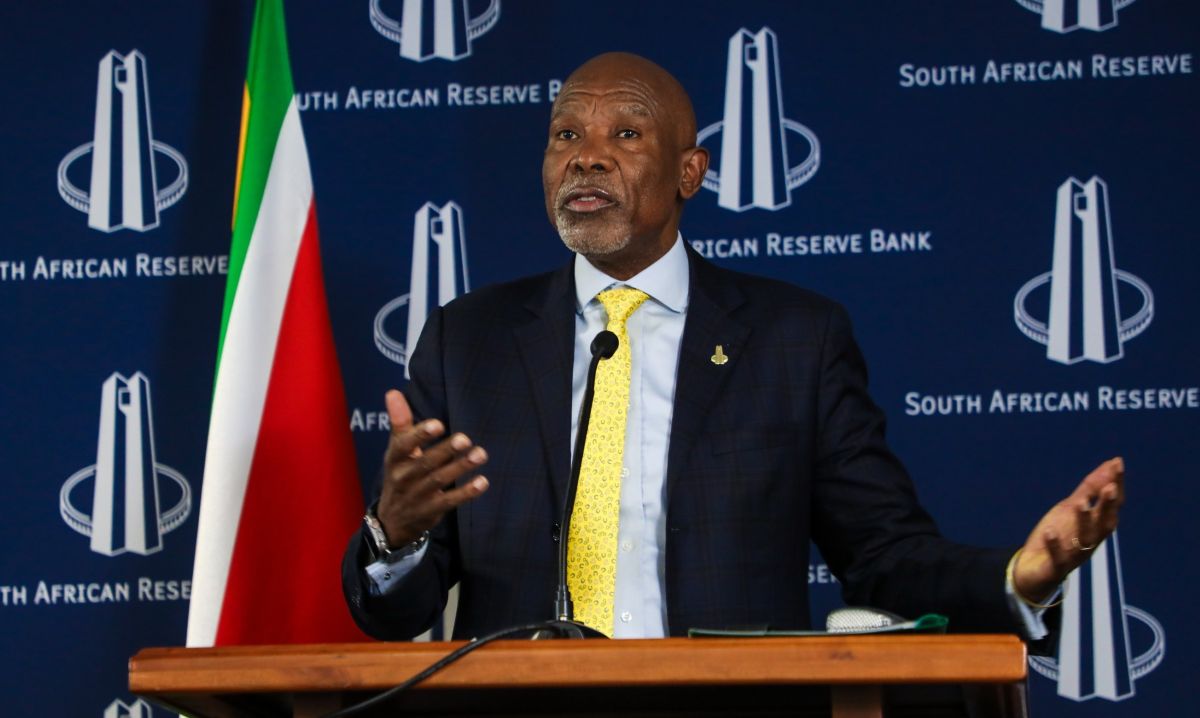
The announcement, jointly delivered on Monday by Lesetja Kganyago—Governor of the SARB and Chairperson of the SADC Committee of Central Bank Governors (CCBG)—and Manuel Tiago Dias, Governor of the Banco Nacional de Angola, marks a pivotal shift in how cross-border transactions are processed across Southern Africa.
Breaking the Rand Monopolisation
Since its inception in 2013, the SADC-RTGS system has processed transactions across its 15 participating member states exclusively in the South African rand. While the system successfully streamlined regional payments for over a decade, reliance on a single currency created operational bottlenecks and foreign exchange friction for non-rand economies.
The kwanza becomes only the second currency to achieve settlement status in the platform, signalling the formal launch of a true multi-currency infrastructure for the Southern African Development Community.
The multi-currency capability is part of a broader, deliberate strategy to deepen regional integration, encourage the use of local tender, and systematically reduce Southern Africa’s long-standing reliance on non-SADC currencies and third-party intermediaries.
Slashing Costs and Accelerating Trade
For business owners and financial institutions trading between Angola and the broader SADC region, the practical benefits are immediate.
Under the previous model, cross-border payments frequently required multiple foreign exchange conversions—often routing through intermediary hard currencies like the US dollar or euros before reaching their final destination. By enabling direct settlement in kwanza, transacting parties can bypass expensive foreign exchange conversion steps. This structural change directly lowers transaction costs for commercial banks, payment facilitators, and ultimate consumers alike.
Beyond cost reduction, direct settlement drastically cuts transaction processing times. Faster settlement allows regional enterprises to manage liquidity more effectively, improve working capital management, and access crucial trading funds without unpredictable delays.
Aligning with Global Payment Goals

This regional initiative mirrors broader international efforts to overhaul legacy payment corridors. The SADC-RTGS upgrade directly aligns with the Group of Twenty’s (G20) priority targets for cross-border payments, which focus on driving down costs, boosting speed, increasing transparency, and expanding efficiency across global financial networks.
The central bank’s decision also comes at a time when the SARB has observed a notable surge in cross-border payment facilitator activities, underlining an expanding demand for seamless, low-friction payment channels across borders.
A Roadmap for Broader Integration
The onboarding of the Angolan kwanza is just the opening chapter of a wider regional payments overhaul. SADC central banks plan to expand the multi-currency framework by onboarding additional regional currencies in due course, with the Botswana pula designated as a key upcoming candidate.
As more national currencies join the SADC-RTGS system, Southern Africa moves closer to an interconnected market where businesses can trade seamlessly in their native currencies—paving the way for stronger intra-regional trade, enhanced economic resilience, and true monetary integration.