 By
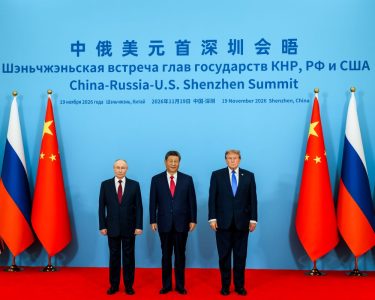
SHENZHEN, China — Speaking from the southern Chinese tech hub of Shenzhen in a live Fox News interview, President Donald J. Trump framed his upcoming summit with Chinese President Xi Jinping and Russian President Vladimir Putin as a moment of renewed American leverage—spanning great-power diplomacy, next-generation technology, and domestic deal-making.
Hours before sitting down with Xi and Putin, Trump cast his trip in personal and transactional terms, emphasizing rapport and pageantry while warning adversaries from Tehran to potential cyber actors that his administration intends to act decisively.
Courting Beijing While Framing Global Rivalries
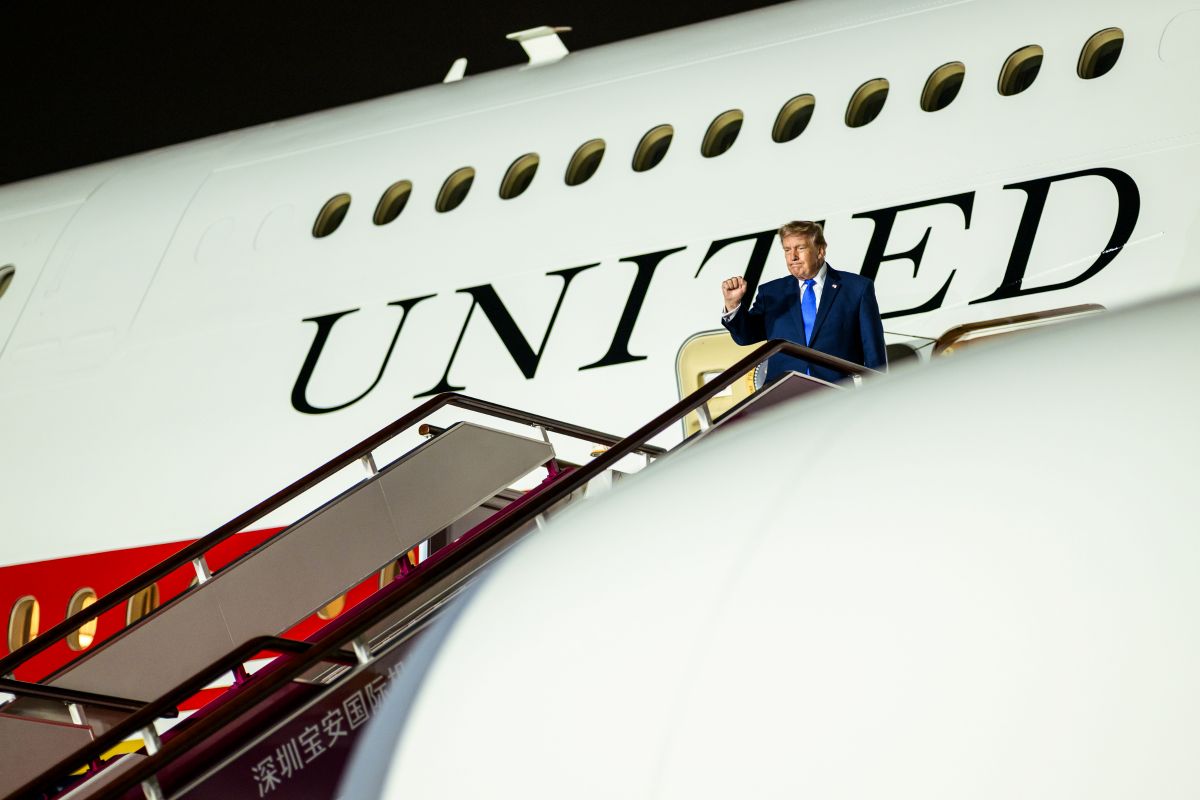
Trump highlighted his personal dynamic with Xi, pointing to the reception he received upon arrival and his seating beside the Chinese leader at a dinner the previous night. Describing their rapport as a “friendship relationship” and a “respect relationship,” Trump argued that the welcoming display—complete with crowds, soldiers, and ceremony—reflected growing global deference toward Washington and amounted to a mutual win for both nations.
Looking further back in geopolitical history, Trump criticized former President Barack Obama rather than former President Joe Biden for driving Moscow and Beijing closer together.
Calling Russia and China “natural enemies” that should never have been allowed to align—a dynamic he attributed to energy policies during the Obama era—Trump contended that both Xi and Putin personally favour dealing with him.
Technology and emerging capabilities also figured prominently in Trump’s remarks with Xi. Referring to what he called “Super Intelligence,” Trump said he spent the evening seated to Xi’s right discussing the field, asserting that Xi was “amazed” by U.S. progress and insisting that the United States leads both China and the rest of the world.
Hard Warnings on Iran and Tech Disruptions
On the Middle East, Trump signalled a push for a durable agreement with Tehran while drawing sharp red lines over non-conventional threats. While saying Iran wants a deal, Trump stated he is seeking one that lasts rather than one easily undone by a future leader, adding, “One way or the other, we’ll finish it off.”
Asked about reports of an Iranian dirty bomb plot, Trump pointed to indications that Tehran is examining gas and biological weapons. Calling such capabilities “not nice” and labelling the actors “nasty people,” he issued a stark warning: “Look, if it does happen, we wipe them out.”
At home, Trump brushed off recent technology outages as isolated incidents that he claimed the press was overplaying. Attacking the Biden administration as “grossly incompetent and corrupt,” Trump argued similar disruptions would have gone unremarked years earlier and warned that anyone found intentionally targeting the U.S. would face severe consequences.
Infrastructure Overhaul and Deal-making in a New Congress
Turning to domestic priorities, Trump pledged to replace aging 50-year-old air traffic control equipment, accusing the prior administration of spending billions on an effort that failed and set modernization back. His goal, he said, is to fix the system properly so the U.S. holds the world’s best aviation infrastructure.
Trump also projected optimism about navigating the next two years with Democrats in the new Congress. Claiming he has received an unexpectedly high volume of outreach from Democratic lawmakers eager to cut deals, Trump pointed to his veto power as leverage to force negotiations—suggesting he could reject healthcare legislation first and then bring lawmakers to the table afterward.
As Trump prepares to transition from pre-summit media messaging to face-to-face diplomacy with Xi and Putin in Shenzhen, his remarks underscore a central strategic pitch: pairing personal rapport with rival leaders against blunt warnings and domestic leverage back home.