By
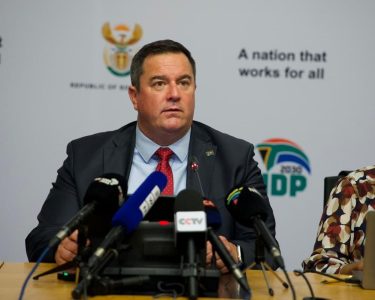
JOHANNESBURG — South African businesses have a limited window to convert preferential trade access into lasting commercial gains as China’s zero-tariff arrangement for qualifying African goods runs until April 2028, Deputy Minister of Trade, Industry and Competition John Steenhuisen said.
Addressing the opening ceremony of the China-Africa Economic and Trade Expo (CAETE) 2026 at the Sandton Convention Centre, Steenhuisen called on local firms to move swiftly from market access to signed deals while the temporary measure is in place.
China is South Africa’s largest global trading partner, while South Africa remains a key economic partner for Beijing on the continent.
Turning Temporary Access Into Lasting Trade
Introduced on May 1, 2026, China’s zero-tariff scheme removes customs duties on qualifying African exports entering the Chinese market, provided shipments meet applicable tariff schedules and rules of origin. However, Steenhuisen stressed that exporters cannot treat the arrangement as permanent or passive.
“We must do the hard work and turn access into actual sales – and not waste a second while doing so. We recognise that the current zero-tariff arrangement is temporary. We must use it to secure commercial relationships and predictable market access.”
To build durability beyond the current tariff window, Pretoria is pointing to broader trade frameworks. Steenhuisen noted that the China-Africa Economic Partnership Agreement for Shared Development, signed in February 2026, anchors cooperation across trade, investment, and industrial development.
Officials are also advancing talks on a Southern African Customs Union (SACU)-China Early Harvest Arrangement aimed at establishing a more sustainable and predictable structure for reciprocal trade preferences and long-term market access.
Push for Local Manufacturing, Skills, and Jobs
Beyond cross-border shipments, the Deputy Minister challenged Chinese investors to deepen their operational footprint inside South Africa rather than relying solely on trade flows. He urged investors to establish or expand local operations, partner with domestic manufacturers, and transfer skills and technologies capable of serving both the South African market and the wider region.
At CAETE, which brings together businesses to showcase innovative products and deepen industrial cooperation, Steenhuisen encouraged South African exporters to engage directly with buyers, adapt to market standards, and pursue concrete commercial partnerships.
For policymakers and business leaders alike, he argued, diplomatic milestones and trade expos must ultimately be judged by tangible economic outcomes on the ground.
“The real test of a successful partnership is not how many meetings we hold or agreements we sign. It is whether a business can open its doors, a factory can expand, and a young South African can find meaningful work.”