 By
By 
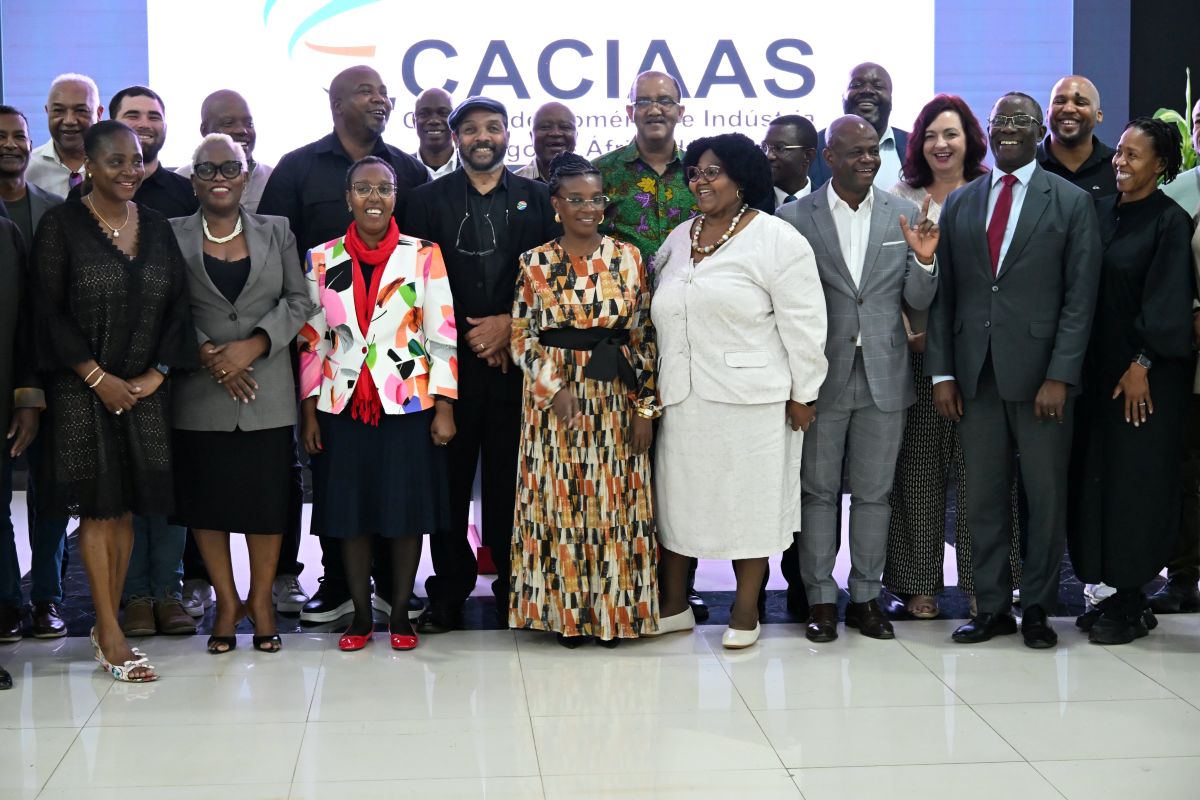
In a calculated bid to bolster regional economic integration and narrow its trade deficit with Angola, South Africa’s Department of Trade, Industry and Competition (the dtic) is leading a targeted delegation of industrial exhibitors to the Feira International De Angola (FILDA) in Luanda this week.
Running from 21–26 July 2026, the premier multi-sector trade exhibition serves as a critical frontline for South Africa’s broader economic diplomacy across the continent.
The South African delegation spans key industrial pillars, including agro-processing, steel and metal fabrication, engineering, mining, and chemicals. By showcasing high-value, proudly South African products and services, Pretoria aims to convert Angola’s ongoing market reforms into tangible export pipelines, attract foreign direct investment, and forge lasting cross-border commercial partnerships.
Leveraging FILDA’s High-Stakes Platform
FILDA stands as Angola’s largest international business fair, acting as a major hub for regional commerce. Its commercial weight was clearly demonstrated during the 2025 edition, which drew nearly 1,800 participating companies across 18 nations and generated over $60 million in transaction volumes.
To capitalize on this platform, the dtic backed South African exhibitors through its Export Marketing and Investment Assistance (EMIA) Scheme. The initiative is specifically structured to lower market-entry barriers, assist local enterprises in establishing overseas footprints, and draw crucial foreign capital back into the domestic economy.
This trade outreach directly aligns with the dtic’s “Butterfly Strategy”—an overarching trade framework focused on boosting value-added exports, accelerating domestic industrialization, and deepening economic integration via the African Continental Free Trade Area (AfCFTA).
Addressing Trade Imbalances and Capitalizing on Diversification
The economic backdrop to this trade mission is defined by a significant regional trade imbalance. Total bilateral trade between South Africa and Angola surpassed R21 billion last year. However, South African exports accounted for R6.5 billion, while imports from Angola—dominated largely by oil and raw resources—stood at R14 billion.
Bilateral Trade Snapshot (Prior Year)
——————————————————
South African Exports to Angola : R6.5 Billion
South African Imports from Angola: R14.0 Billion
Total Bilateral Trade Volume : R21.0+ Billion
——————————————————
Expanding value-added exports in manufacturing, machinery, and processed goods is seen as essential to recalibrating this balance.
The timing of the trade push aligns with Luanda’s aggressive efforts to diversify its economy away from heavy petroleum reliance. Angola’s strategic pivot toward agriculture, renewable energy, technology, and local manufacturing opens new demands for specialized technical expertise, capital equipment, and industrial inputs—areas where South African suppliers hold significant comparative advantages.
SMMEs at the Core of Continental Industrialization
Highlighting the strategy, Minister of Trade, Industry and Competition, Mr. Parks Tau, emphasized that Small, Medium, and Micro-sized Enterprises (SMMEs) are the primary engine of South Africa’s continental growth agenda.
“The department remains committed to supporting SMMEs as they explore new export markets, strengthen their competitiveness and contribute to inclusive economic growth and industrial development,” Tau stated.
Tau reiterated that under the National Industrial Policy Framework, South Africa is prioritizing intra-African trade and industrial synergy across the Southern African Development Community (SADC) and the wider AfCFTA zone.
“Promoting South Africa’s commercial value proposition at FILDA is an important component of this strategy,” Tau noted. “It provides South African companies with an opportunity to position themselves in Angola’s reform-driven economy while securing first-mover advantages in sectors with strong growth potential.”
Outlook: Shifting from Raw Trade to Strategic Partnerships
Beyond immediate point-of-sale transactions, South African officials view FILDA’s business and networking forums as vital intelligence-gathering and deal-making mechanisms. The platform enables local firms to gain direct exposure to Angolan regulatory shifts, forge joint ventures, and establish long-term supply networks with regional partners.
As Angola accelerates its structural reforms, South Africa’s proactive presence at FILDA signals a deliberate shift in trade policy: moving beyond passive trade interactions toward active market shaping, deeper regional integration, and sustainable, export-led industrial development.