 By
By The national grid is now stable and reliable, this is according to Eskom. As the country enters the winter season, the report is like music to the ear of citizens and industry alike.
Eskom says it enters the 2026 winter season with a resilient power system, projecting a winter period of continued energy stability from 1 April to 31 August 2026. The power utility says this positive outlook follows the successful conclusion of the summer period, during which the national grid operated with ongoing sustained reliability.
According to the parastatal, the Generation Recovery Plan firmly embedded in day‑to‑day operations, Eskom has moved beyond short‑term recovery into a phase of stability and sustained energy security, ensuring that homes, businesses and industries remain powered through the peak winter months.
In its statement, Eskom said the stability is underscored by Eskom maintaining a consistent energy supply of 98.9% in the last Financial Year (1 April 2025 to 31 March 2026), a marked improvement from 9% two years ago, reflecting a fundamental strengthening of generation performance, operational discipline and system resilience.

The winter outlook reflects improved reliability and availability across the generation fleet. Additional capacity has been secured primarily through a 5.2GW reduction in unplanned losses, supplemented by 1.1GW from demand‑side management programmes, enabling Eskom to meet national demand this winter. On this basis, Eskom has a surplus peak capacity of about 6GW over the winter period.
These improvements have enabled Eskom to lower its base‑case assumption for unplanned outages to approximately 12GW, compared to 13GW in the previous winter outlook. Even under higher‑stress conditions, where unplanned losses approach 14GW, the system is expected to remain resilient, with no loadshedding anticipated under the scenarios Eskom plans for.
Eskom says this Winter 2026 Outlook takes into account Eskom’s expanded customer base. During FY2026, Eskom completed 67 578 new household connections, with a further 2 119 households supplied through distributed energy resources (DERs), which help reduce pressure on the national grid, particularly during peak periods. Despite supplying electricity to these additional customers compared to the previous winter, improved generation reliability, reduced unplanned losses, and strengthened operational buffers support a stable winter outlook, with sufficient capacity to meet expected demand.
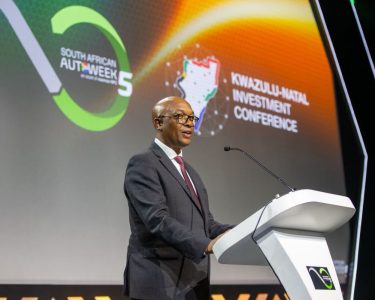
“Eskom, and in turn South Africa, now has a stable electricity platform to operate and grow from. This enables us to integrate renewable energy sources as per the 2025 Integrated Resource Plan (IRP) for the maintenance of energy security in the future. Eskom is consciously assessing the new capacity build rate across all required technologies as this, along with other socio-economic conditions, will be vital in determining the transition of the coal fired power stations,” said Eskom’s Group Chief Executive, Dan Marokane.
“It was very difficult to embed cost savings when our generation fleet was unstable. Today, we have dramatically reduced diesel dependency and saved R26.9 billion compared to FY2023. These savings are a result of strengthened maintenance discipline and project delivery. Every megawatt we return contributes toward economic growth. The restoration of a consistent baseload electricity supply has enabled Eskom to be in a position to support industries in distress, particularly the ferrochrome industry, and play a meaningful role in preventing job losses. The country has invested in Eskom, and we are continuously working to restore this national asset to full health; it is a resource that all citizens have supported,” said Eskom’s Group Executive for Generation, Bheki Nxumalo.