 By
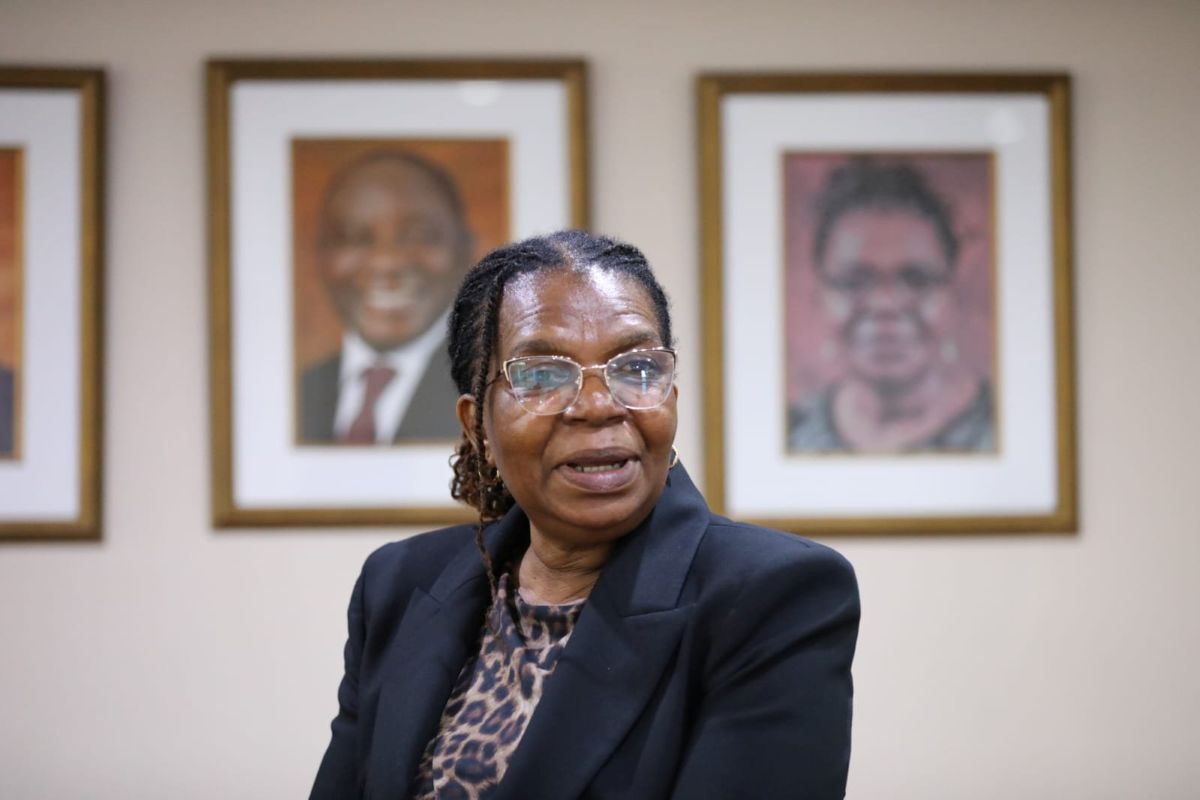
By PRETORIA — Calling for a renewed alliance between the state and the pulpit, Minister of Social Development Dina Pule delivered a keynote address on behalf of Deputy President Paul Mashatile at the Church Leaders’ Gathering in Unity (CLGU) at the University of Pretoria’s Future Africa campus.

Addressing hundreds of bishops, pastors, and faith leaders gathered under the theme “Unity, Prayer, Relationship and Kingdom Collaboration,” Pule conveyed a message centred on cross-sector partnership, ethical governance, and the urgent need to address South Africa’s most pressing socioeconomic crises.
Mashatile was unable to attend the event in person following specific advice and instructions from his medical team.
A Legacy of Strategic Partnership
Pule highlighted the deep historical roots of government-church cooperation in South Africa, reminding delegates that faith communities were instrumental during the nation’s delicate transition to democracy. During pivotal historical moments, religious organizations worked alongside community structures to foster peace-building, social cohesion, and national reconciliation.
The Minister noted that this spirit of joint action has repeatedly proven essential during national emergencies. She pointed to past and ongoing collaborations in combating the HIV and AIDS pandemic—where churches partnered with healthcare workers and government departments to provide counselling, awareness, and care—as well as joint interventions against poverty.
Through partnerships with the Department of Social Development, faith-based organizations continue to run feeding schemes, substance-abuse interventions, and care facilities for vulnerable children, older persons, and people living with disabilities.
Tackling Modern Social Ills and Pulpit Misconduct
Despite past successes, Pule emphasized that South Africa continues to navigate a fraught social and economic landscape. Pressing issues such as poverty, high unemployment, inequality, gender-based violence, crime, and substance abuse continue to test the fabric of South African society.
Directly addressing the youth crisis and moral leadership within religious institutions, Pule urged church communities to put love into action by intervening in youth drug and alcohol abuse. Crucially, she called on faith leaders to confront wrongdoing within their own ranks, demanding accountability even for individuals occupying the “holy pulpit” who perpetrate harmful activities.
Pule also reflected on recent local tragedies, referencing a Spring Day dispute that escalated into the death of a young man. She used the incident to remind faith leaders of their responsibility to teach non-violence, conflict resolution, and respect for human dignity. “No one deserves to die at the hands of another person, regardless of the circumstances,” Pule stated, reiterating that no citizen should take the law into their own hands.
Elections, Political Violence, and Moral Accountability
Turning to the state of South African democracy, the Minister urged faith leaders to focus their prayers and community influence on upcoming democratic milestones. She called for specific prayers toward peaceful, free, and safe local government elections, while speaking out sharply against the rise in political killings and campaign-related violence.
In a notable moment regarding state-church relations, Pule stressed that the administration welcomes constructive criticism from religious institutions. Rather than viewing dissenting voices as adversarial, she framed moral accountability and honest feedback as vital components of good governance and institutional integrity.
Closing her address on behalf of Deputy President Mashatile, Pule reiterated that unity does not require uniformity or the abandonment of distinct theological traditions. Instead, she urged the clergy to leverage their collective reach to rebuild resilient communities, mentor the youth, and partner with the state to build an inclusive society founded on human dignity and equality.