 By
By 
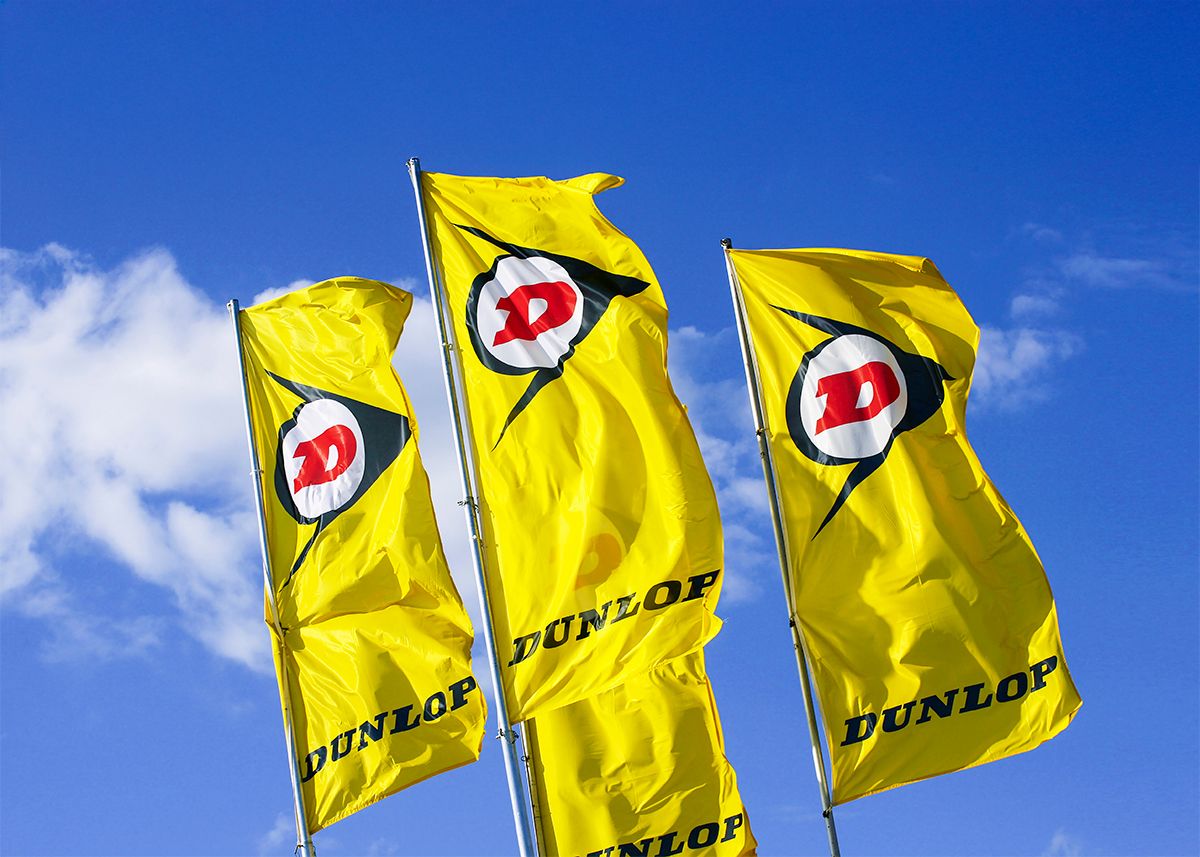
uMnambithi, KwaZulu-Natal — In a significant vote of confidence in South Africa’s manufacturing sector, Sumitomo Rubber South Africa (SRSA), manufacturer of the iconic Dunlop brand, has commemorated a R1.7 billion expansion investment at its flagship Ladysmith production facility.
Addressing executives, trade union representatives, and local government leaders on Thursday, Minister of Trade, Industry and Competition Parks Tau highlighted the investment as a crucial anchor for the country’s automotive value chain amidst growing global and domestic market pressures.
The ceremony, held in uMnambithi, marked another major milestone for a manufacturing footprint that traces its roots back to a modest Cape Town distribution depot opened in 1902. Today, the Ladysmith operation stands as the largest tyre manufacturing facility on the African continent measured by rubber conversion, employing over 1,500 direct workers and supplying original equipment (OE) tyres for one in every five vehicles on South African roads.
A Legacy of Localized Industrial Growth
The R1.7 billion capital injection represents the latest phase in a long-term expansion strategy by parent company Sumitomo Rubber Industries. Since acquiring the manufacturer in 2013 through a R2.1 billion investment, the group has consistently upgraded the KwaZulu-Natal facility, including adding a dedicated commercial truck and bus tyre line in 2018.
Between 2014 and 2022, direct employment at the plant expanded by 41%. The site’s physical footprint increased substantially from 310,622 to 488,622 square metres, while roofed manufacturing areas expanded from 83,000 to 133,600 square metres.
Highlighting the socio-economic footprint of the operation, Minister Tau noted that 81% of the workforce is drawn directly from the local Alfred Duma Municipality, and 87% from the broader uThukela District. The facility also runs an annual intake of 34 youth learners and has systematically expanded female participation in its technical and operational workforce.
“This is what we mean, in government, when we speak of localisation and inclusive growth: a payslip that reaches a household in Ladysmith rather than a shareholder overseas,” Tau said, praising the collaboration between management, workers, and organised labor led by the National Union of Metalworkers of South Africa (NUMSA).
Integration into the Automotive Ecosystem
The Ladysmith plant plays an essential role in sustaining South Africa’s broader automotive manufacturing industry. The facility serves as a primary tier-1 supplier to major original equipment manufacturers (OEMs), supplying passenger and light commercial vehicle lines for Toyota, Isuzu, Ford, Volkswagen, and Nissan. It also supplies heavy commercial manufacturers including UD Trucks, Hino, Tata, Scania, and MAN.
Among its recent technical milestones is the production of the AT31 tyre, designed and engineered specifically for the Toyota Hilux—South Africa’s top-selling light commercial vehicle. Beyond factory assembly lines, Dunlop’s local footprint supports a retail distribution network of over 300 fitment centres across the country.
Government policy has played a central role in enabling such capital projects. The automotive sector remains anchored by the Automotive Production and Development Programme (APDP), administered by the Department of Trade, Industry and Competition (dtic). The incentive structure is specifically tailored to encourage localization, technological advancement, and component value-addition.
Policy Review and Protecting Local Competitiveness
While celebrating the capital investment, Minister Tau acknowledged the complex market environment facing local manufacturers, specifically import pressures and structural shifts in global manufacturing.

To maintain competitiveness, the dtic is currently conducting a comprehensive review of the South African Automotive Masterplan and its operational mechanisms, including APDP2. The review aims to assess performance against 2035 targets for job creation, local content, and output growth, while retooling policy mechanisms to facilitate the global industry’s transition toward New Energy Vehicles (NEVs).
Addressing unfair foreign competition, Tau emphasized that government is focused on enforcing a level regulatory playing field while supporting operational competitiveness.
“A R1.7 billion investment in local manufacturing is not sustained by sentiment. It is sustained by a fair and level playing field,” Tau stated. “The answer to import pressure is not retreat. It is competitiveness — the kind this plant is demonstrating today.”
Sumitomo Rubber South Africa CEO Lubin Ozoux and Sumitomo Rubber Industries President Yasuaki Kuniyasu joined local municipal mayors and diplomatic representatives, including Japanese Ambassador Fumio Shimizu, in reaffirming their commitment to expanding operations in KwaZulu-Natal. In response, government pledged ongoing policy certainty to safeguard long-term industrial investment in the region.