 By
By 
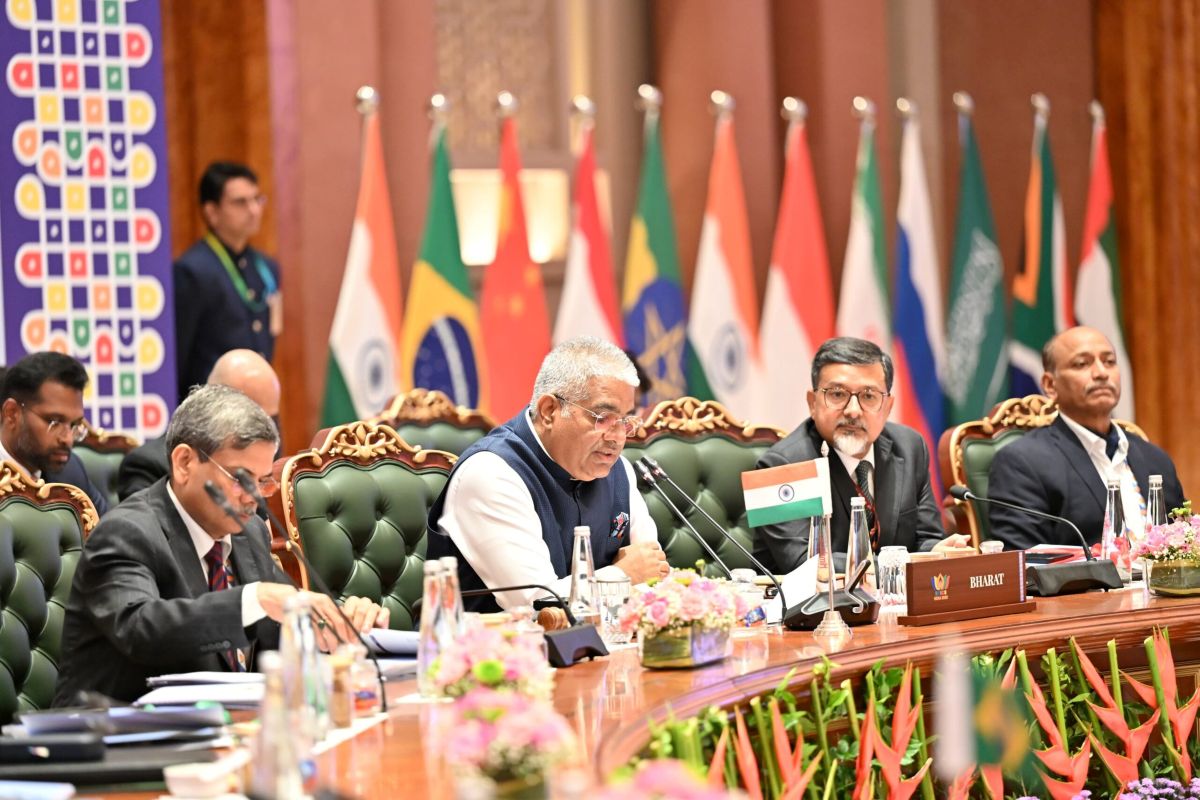
NEW DELHI — In an era defined by intensifying climate impacts, widespread biodiversity loss, and growing socioeconomic disparities, environmental diplomacy is undergoing a pivotal transformation. At the 12th BRICS Environment Ministers’ Meeting hosted in New Delhi, member states formally concluded two days of negotiations by adopting a consensual Joint Ministerial Statement aimed at grounding global sustainability efforts in community resilience, traditional knowledge, and practical implementation.
Chaired under India’s 2026 BRICS Chairship, the summit brought together environment ministers and delegation heads from across the expanded bloc to address the distinct ecological vulnerabilities facing the Global South.
Speaking during the keynote address, India’s Union Minister for Environment, Forest and Climate Change, Shri Bhupender Yadav, emphasized that global climate and conservation initiatives must balance ambition with human equity.
“Ecological restoration and human development can advance together,” Yadav stated, framing India’s Chairship around the theme of “Building Resilience and Innovation for Cooperation and Sustainability”. Reaffirming a “Humanity First” approach, he urged member nations to transition from policy dialogues to tangible, action-oriented capability.
Redefining Priorities for the Global South
For developing and emerging economies, environmental degradation rarely exists in isolation; it remains deeply intertwined with poverty alleviation, food security, and energy access. Addressing delegates, Yadav outlined four primary pillars guiding the 2026 agenda:
- Promoting Sustainable Lifestyles: Encapsulated by India’s Mission LiFE and community planting initiatives like Ek Ped Maa Ke Naam, emphasizing individual and collective behavioural shifts toward low-carbon living.
- Forest Fire Management & Disaster Resilience: Establishing cross-border mechanisms for early warning systems, post-fire recovery, and shared risk mitigation strategies.
- Circular Economy Acceleration: Fostering sustainable resource management, waste reduction, and closed-loop production models tailored to developing markets.
- Community-Based Adaptation: Prioritizing climate adaptation policies that safeguard vulnerable populations without stalling local economic growth.
Yadav stressed that solutions must combine modern science with traditional ecological knowledge, ensuring outcomes remain “scientifically robust, locally relevant and socially inclusive”. The minister also highlighted India’s updated Nationally Determined Contribution (NDC) for 2031–2035, noting its role in advancing domestic climate goals alongside energy security.
Concrete Outcomes: The Four Frameworks
Moving beyond general declarations, the summit concluded with the launch of four Knowledge Compendiums and the consensual adoption of four strategic outcome documents designed to establish actionable institutional networks across member states:
- Sustainable Lifestyles Network: Formalizing the Terms of Reference for a dedicated BRICS network focused on knowledge sharing, research, and innovation in low-impact living.
- Integrated Landscape Management Principles: Guidelines aimed at combatting desertification, enhancing ecosystem resilience, and supporting sustainable land restoration.
- Forest Fire Preparedness Strategy: A common operational framework across BRICS nations for emergency response, monitoring, and forest conservation.
- People-Centric Climate Adaptation Framework: Principles designed to integrate indigenous practices with technology to build local climate resilience.

A Call for Responsible Innovation and Capability
Throughout the proceedings, delegates engaged in high-level discussions focusing on landscape restoration and community-based adaptation models. Side events included an interactive Mission LiFE Pavilion using immersive tech to demonstrate practical sustainable living choices, alongside cultural exhibitions reflecting local heritage.
As climate finance and resource delivery remain contentious issues in broader international negotiations, the summit’s final communiqué underscores the need to convert diplomatic ties into shared technical capability. By leveraging joint knowledge networks, technology transfers, and practical exchanges, BRICS member states seek to chart a development path where sustainability and human resilience remain firmly at the centre.