
 By
By 
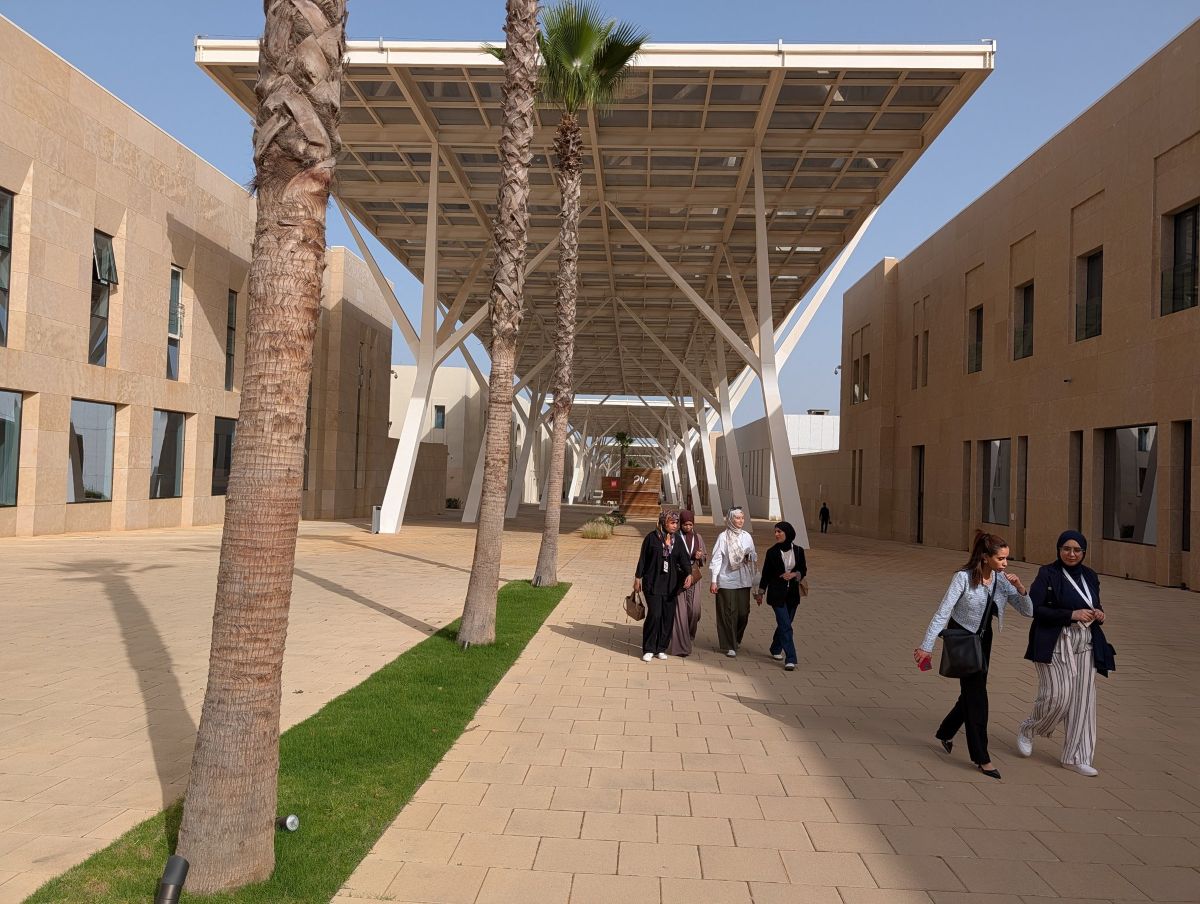
RABAT, Morocco — As geo-economic fragmentation and rapid technological disruption redraw the lines of global commerce, the Middle East and North Africa (MENA) region finds itself at a critical economic crossroads. Against this turbulent backdrop, the International Monetary Fund (IMF) and the Mohammed VI Polytechnic University (UM6P) have announced they will co-host the second annual MENA Research Conference on June 29-30, 2026, in Rabat.
The timely event, titled “Rethinking MENA Integration in a Fast-Changing Global Environment,” aims to tackle the compounding macroeconomic shocks threatening the region’s long-term growth trajectory.
Navigating De-Globalization and Digital Disruption
The conference lands at a moment of profound regional vulnerability. In a joint statement, Jihad Azour, Director of the IMF’s Middle East and Central Asia Department, and Karim El Aynaoui, Executive Vice-President of UM6P, warned that geopolitical conflict is threatening to leave “lasting scars” on the region’s economic landscape.
“This unprecedented shock is forcing countries across the region to reassess their path forward amid an already complex and challenging environment shaped by rapid technological change and shifts in global trade patterns,” the leaders noted.
To address these vulnerabilities, policymakers and academics will dissect the crosswinds of:
- Geoeconomic Fragmentation: How shifting alliances and trade barriers are reshaping regional supply chains.
- The AI Revolution: Assessing the disruptive potential of artificial intelligence and digital technology on labor markets.
- Macroeconomic Defense: Crafting agile monetary, fiscal, and labor market policies to anchor stability in a highly volatile global market.
Building Institutional Resilience
The gathering represents a broader institutional effort to fortify the region’s intellectual and economic infrastructure. Building on the success of last year’s inaugural conference in Cairo—co-organized with the Onsi Sawiris School of Business at The American University in Cairo—the IMF aims to establish a permanent forum for dialogue.
By partnering with top regional universities, the initiative serves a dual purpose: deepening collaboration with established policymakers and elevating the voices of young researchers. Crucially, the series seeks to build core economic research capacity directly within regional ministries of finance and central banks.
As the MENA region navigates this era of polycrisis, the analytical work coming out of Rabat will be vital. The insights generated may well provide the blueprint for effective policymaking needed to lift living standards and maintain stability in an increasingly uncertain world.