By
By Luanda — A recent International Monetary Fund (IMF) staff team mission has cautioned that while a favourable external environment has bolstered Angola’s external position and non-oil activity, it has concurrently decelerated critical macroeconomic adjustments and reform momentum.

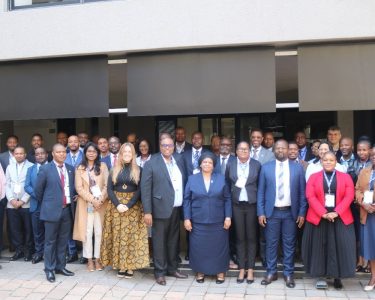
The mission, led by Mika Saito, concluded a series of virtual and in-person discussions in Luanda that ran from August 24 to September 9, 2026, as part of the country’s Post-Financing Assessment (PFA).
During the assessment period, the IMF team engaged extensively with key stakeholders, including government officials, the National Bank of Angola, parliamentarians, civil society actors, private sector representatives, financial institutions, and development partners.
Balancing External Tailwinds with Domestic Risks
The IMF noted that external tailwinds have recently worked in Angola’s favour, yielding a stronger external position, enhanced non-oil economic activity, improved access to international markets, and a downward trend in inflation.
However, the fund cautioned that these positive macroeconomic markers have introduced a sense of complacency, slowing down the structural reforms essential for reducing the nation’s deep-rooted dependence on oil and mitigating economic vulnerabilities.
Looking ahead, the economic outlook remains vulnerable to several downside risks. These include potential oil price volatility, tighter external financing conditions globally, and prospective delays in executing necessary fiscal consolidation and structural reforms.
Policy Imperatives for Long-Term Stability
To preserve hard-won macroeconomic stability and secure productivity gains within the non-oil sector against a backdrop of global economic shocks, the IMF emphasized the necessity of a rigorous policy mix. Key recommendations include:
- Proactive Fiscal Consolidation: Implementing upfront fiscal adjustments to manage public finances prudently.
- Prudent Monetary Policy: Maintaining monetary discipline to keep inflation anchored.
- Exchange Rate Flexibility: Allowing the currency to absorb external shocks effectively.
Beyond macroeconomic management, the IMF underscored that deeper structural reforms are vital for sustainable, long-term growth. Strengthening governance, improving the overall business environment, attracting foreign direct investment, and actively diversifying the economy remain critical pillars for Angola’s future economic resilience.
The formal 2026 Post-Financing Assessment report for Angola is scheduled to be presented and discussed at the IMF Executive Board in November 2026.