
 By
By The Gauteng Department of Health (GDoH) has reported notable progress in its ongoing battle against HIV and Tuberculosis (TB), showcasing improved treatment retention numbers during the 2025/26 financial year compared to the previous period.

According to the department’s annual report, proactive tracing initiatives, digital outreach, and innovative pharmaceutical rollouts are driving tangible improvements across the province’s healthcare landscape.
Boosting Treatment Retention and Combating TB
During the 2025/26 financial year, Gauteng successfully maintained 1,295,104 HIV clients on antiretroviral treatment (ART), up from 1,261,198 in the 2024/25 financial year. Simultaneously, TB treatment numbers rose to 27,471 patients, compared to 24,613 during the preceding period.
These gains are largely credited to intensive tracking measures targeting patients who miss appointments, alongside active utilization of missed-appointment lists and referrals to Ward-Based Primary Healthcare Outreach Teams (WBOT). Specific campaigns such as the 1.1 Million ART and Khumbule Khaya initiatives also played a vital role.
For TB patients, the addition of 4,183 more individuals on treatment stemmed from effective tracking of those previously lost to follow-up, as well as an automated WhatsApp reminder system that prompts patients to check results and immediately commence treatment on the same day if positive.
Despite these increases, the total number of people on HIV treatment remains below the targeted 1,486,958 due to high loss-to-follow-up rates, missed appointments, and incorrect contact details. To combat this, the department has introduced a Transfer-Out Standard Operating Procedure to ensure seamless handovers between facilities, alongside seven-day telephonic tracing, expanded six-month dispensing via the Central Chronic Medicine Dispensing and Distribution (CCMDD) programme, and localized outreach through initiatives like Siyabaphilisa.
Measurable Gains in Viral Suppression and Prevention
Clinical milestones highlight the effectiveness of Gauteng’s updated health strategies. The retention of HIV-positive children on ART at 12 months rose to 71.7%, up from 70.8%. Meanwhile, adult viral load suppression climbed significantly to 81.5% from 73.9%, and child viral load suppression jumped from 49% to 58.4%.
Prevention efforts also yielded a modest decline in HIV prevalence among individuals aged 15 to 24 years, dropping from 0.9% to 0.8%. This reduction is attributed to targeted case-finding methods such as HIV index-contact testing—which identifies and offers voluntary testing to sexual partners, biological children, and needle-sharing partners of people living with HIV—alongside the broader expansion of Pre-Exposure Prophylaxis (PrEP) and Voluntary Medical Male Circumcision (VMMC).
Although total HIV tests conducted in 2025/26 decreased to 4,935,976 compared to 5,191,951 the previous year, the province still surpassed its annual target of 4,857,179, achieving a 102% performance rate.
Expanding Pharmaceutical Innovations
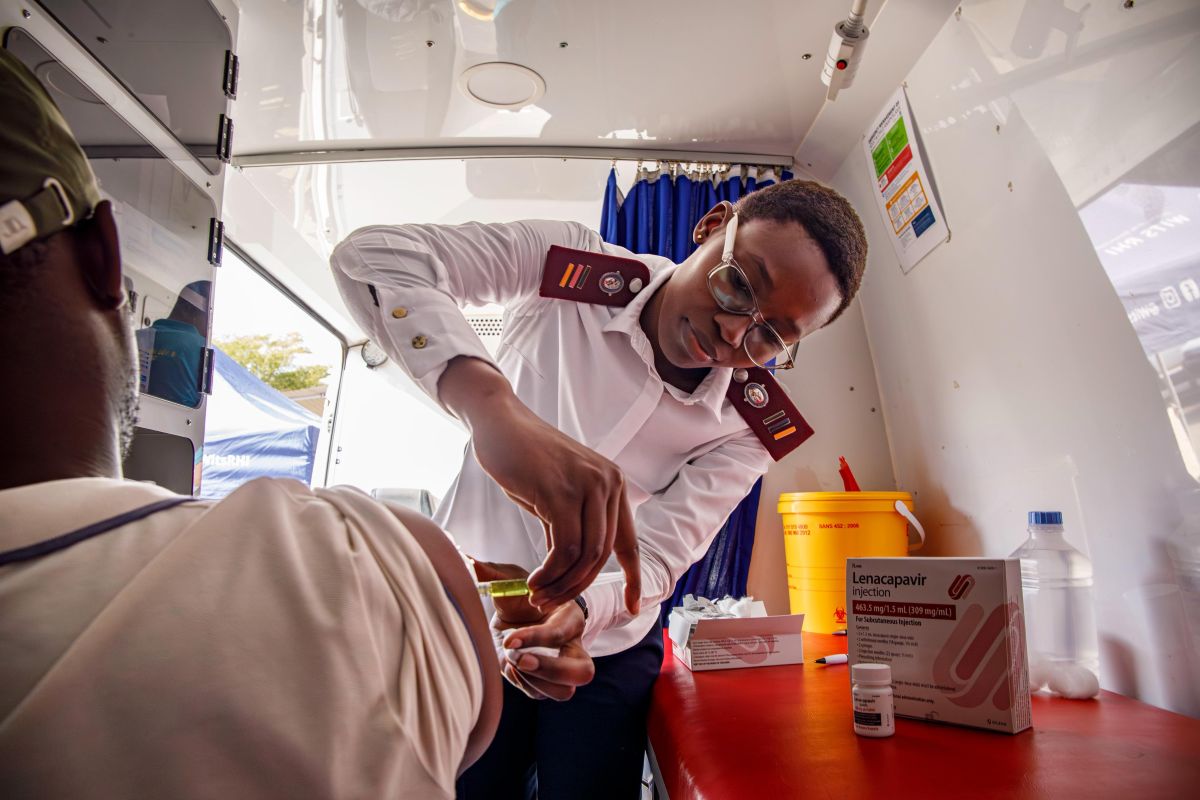
A cornerstone of Gauteng’s recent health strategy involves the rollout of cutting-edge prevention medication. Between June and August, the department recorded 24,390 new Lenacapavir initiations, providing patients with six-month protection against HIV. Johannesburg led the province with 9,723 initiations, while Sedibeng displayed exceptional performance by hitting 136% in July and leading August figures at 56%.
Moving forward, the GDoH plans to sustain these momentum-building efforts by scaling up treatment retention programs, enforcing TB completion protocols, and widening community-based prevention access—including distributing male and female condoms in public hubs such as taxi ranks, taverns, youth centres, and universities.