
 By
By 
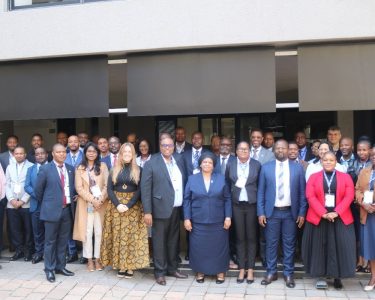
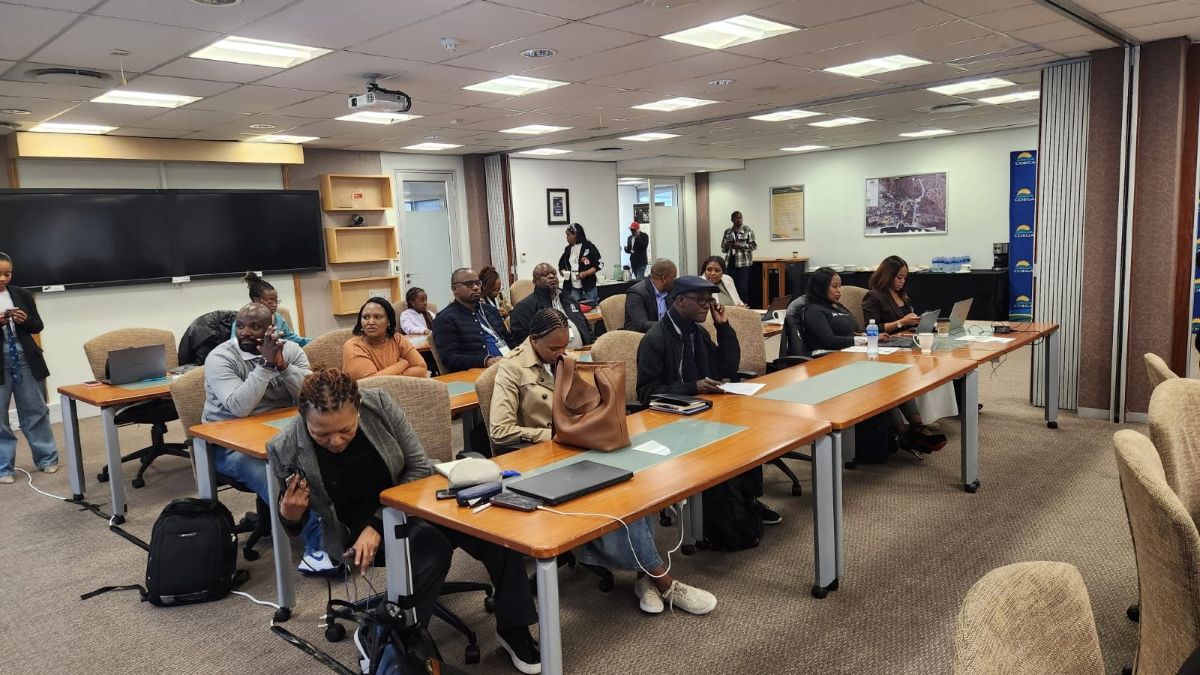
Sub-Saharan Africa’s drive toward sustained industrial growth hinges on turning high-level policy dialogue into actionable, cross-border infrastructure partnerships. That was the central takeaway as delegates from the Continental Energy and Infrastructure Investment Forum (CEIIF) convened at the Coega Special Economic Zone (SEZ) in Gqeberha, South Africa.
Representatives from Botswana, the Democratic Republic of Congo (DRC), and Zambia joined South African host entities to examine how strategic industrial hubs can serve as catalysts for broader regional integration.
The delegation focused on practical mechanisms to de-risk infrastructure investments, streamline cross-border logistics, and replicate success models across urban and rural corridors continent-wide.
Replicating the SEZ Model Beyond Urban Hubs
Speaking on behalf of the forum, Chiboni Evans, Chief Executive Officer of the South African Electrotechnical Export Council (SAEEC), emphasized that site visits like the one to Coega get to the core of the CEIIF’s mission. The primary goal is to bring regional stakeholders together on the ground to directly evaluate and accelerate viable energy and industrial projects.
“What we must take from this experience is how to replicate and adapt these models to develop world-class SEZs in rural provinces,” Evans said. “That is where the greatest opportunity lies for job creation, for value addition, and for inclusive growth. Herein lie the learnings for the rest of Africa to decentralise industry, to leverage regional resources, and to build zones that serve both urban and rural economies.”
The emphasis on rural industrialisation points to a key challenge facing African economies: avoiding concentrated growth around major ports and capitals while inland provinces remain reliant on unprocessed primary exports. By decentralizing industrial footprint, member states can capture more value locally from raw mineral and agricultural outputs.

Operational Lessons for Regional Partners
For delegates from resource-rich nations such as the DRC, Zambia, and Botswana, the Coega SEZ offers concrete operational blueprints. The facility showcases integrated infrastructure design, investor onboarding processes, bulk utility management, and dedicated technical training programs aimed at building sustainable local skills pipelines.
“For our colleagues from the DRC, Botswana, and Zambia, this site visit offers practical insights on infrastructure design, investor facilitation, logistics, and skills pipelines that can be tailored to their own national and regional contexts,” Evans noted.
As African markets move to leverage the trade mechanisms under the African Continental Free Trade Area (AfCFTA), aligning infrastructure development with regional supply chains remains a top priority. The CEIIF continues to position itself as a key intermediary, linking policymakers, institutional investors, and private sector operators to execute project pipelines that connect regional trade corridors.