
 By
By 
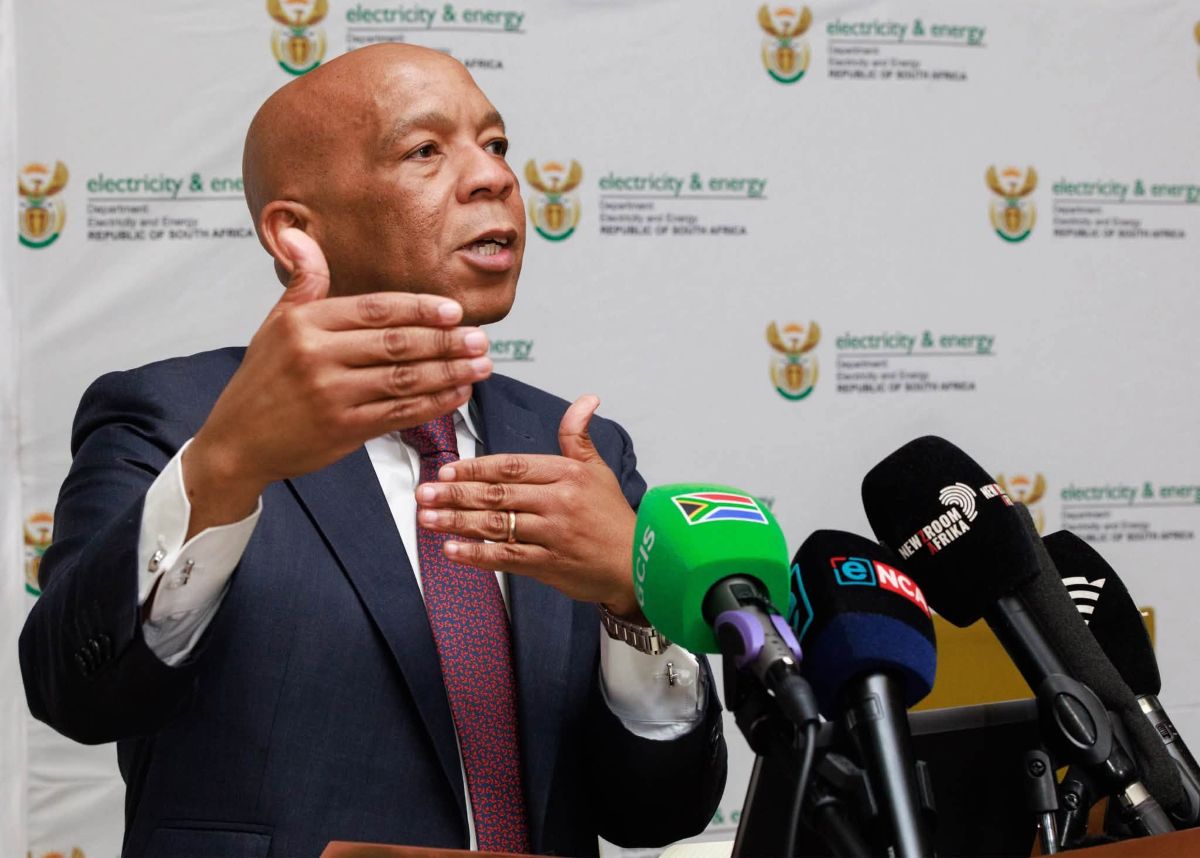
PRETORIA — South Africa is preparing to overhaul its electricity tariff architecture for the first time in nearly two decades. On Tuesday, August 18, 2026, the Minister of Electricity and Energy, Dr. Kgosientsho Ramokgopa, announced that the government will officially publish the long-awaited Draft Revised Electricity Pricing Policy (EPP) for public comment on August 21, 2026.
The move marks a critical juncture in the country’s energy transition as policymakers seek to align tariff structures with the realities of an increasingly liberalized, competitive power market.
Replacing an Out-dated 2008 Framework
The existing Electricity Pricing Policy was enacted in 2008—a period when the state utility, Eskom, operated as an absolute monopoly, distributed generation was practically non-existent, and the national grid was far less dynamic.
Over the past several years, however, structural legislative reforms have transformed South Africa’s energy landscape. The surge in private sector participation in power generation, the rapid adoption of rooftop solar and embedded generation, the introduction of energy wheeling arrangements, and the legislative changes introduced by the Electricity Regulation Amendment Act of 2024 have rendered the 2008 framework obsolete.
According to the Ministry, the draft EPP seeks to replace fragmented and out-dated pricing mechanisms with a modern, coherent policy framework designed to ensure financial sustainability across the power sector while protecting end-consumers.
Core Pillars of the Revised Policy
The draft policy outlines several strategic priorities aimed at providing clear guidelines for energy regulators, utilities, and private participants:
- Cost-Reflective Tariffs: The framework stresses the progressive rollout of cost-reflective pricing. This ensures that utilities can recover prudent generation, transmission, distribution, and retail costs without relying on unsustainable operational bailouts.
- Unbundling and Unbundling Costs: The policy focuses on clear cost allocation across the entire electricity value chain—separating generation, transmission, distribution, and retail services. This is critical for supporting the emerging wholesale electricity market, including transmission use-of-system charges.
- Protection for Low-Income Households: To mitigate the social impact of rising electricity costs, the policy reinforces targeted social support mechanisms, such as Free Basic Electricity (FBE), lifeline tariffs, and explicitly defined cross-subsidies.
- Industrial Support & Economic Competitiveness: Recognizing the strain on energy-intensive sectors, the draft includes provision for negotiated pricing arrangements for distressed key industries, aligning tariff design with national industrial growth strategies.
- Transparency and Billing Clarity: The policy calls for transparent, non-discriminatory tariff structures and standardized itemization on electricity bills so consumers can clearly understand generation versus network costs.

Implications for Business and Consumers
For commercial and industrial consumers, a modernized pricing policy offers much-needed regulatory predictability. By establishing clear rules for wheeling and grid connection charges, the EPP could significantly lower barriers to off-grid renewable procurement and private corporate power purchase agreements (PPAs).
However, the shift toward cost-reflectivity will also require careful monitoring to prevent abrupt tariff spikes for middle-class households and small-to-medium enterprises (SMEs). The policy’s balancing act between market-driven pricing and consumer protection will be the main focus of discussion during the public review process.
Public Comment Period Open Until September 20
The Ministry of Electricity and Energy has called on all stakeholders—including municipalities, organized business, labour unions, academic institutions, civil society, and industrial power users—to participate actively in the consultation.
The draft policy will be published in the Government Gazette on August 21, 2026. Interested parties will have 30 days to submit written comments, with the deadline set for September 20, 2026. Submissions can be sent via post to Private Bag X96, Pretoria, or through official departmental channels.