 By
By 
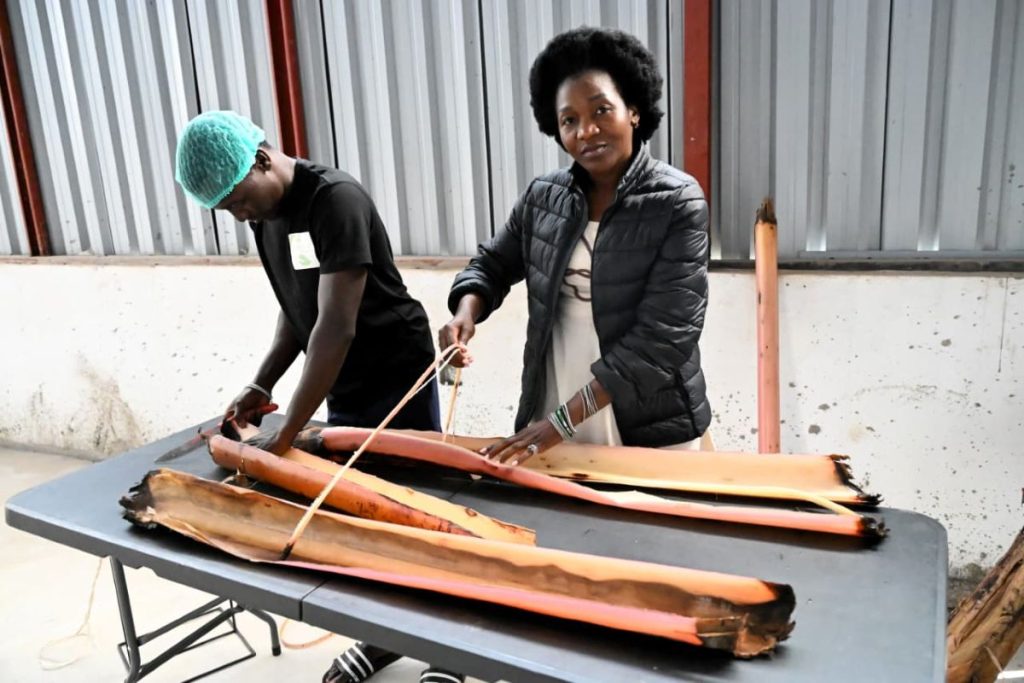
In the heart of Limpopo’s verdant landscapes, where agricultural abundance meets rich cultural heritage, a quiet industrial revolution is taking root. In Punda Maria-Makhuvha village, banana plants flourish in supply, but for years their agricultural by-products—specifically the sturdy pseudostems—were largely discarded after harvesting.
Today, those very stems are poised to disrupt South Africa’s multi-billion-rand hair industry, thanks to the vision of pioneering local businesswoman Ms Lufuno Nemakonde.
Nemakonde, the Managing Director of Funocurls Green Beauty, is spearheading a breakthrough initiative that turns banana pseudostem fibre into high-grade, eco-friendly hair extensions branded as EcoCurls. The initiative promises to offer a natural, biodegradable alternative to synthetic hairpieces, tackling both environmental waste and community development in a single stroke.
A Plant-Based Alternative to Synthetic Beauty
For decades, the conventional hairpiece market has been dominated by synthetic fibres derived from petroleum-based plastics. While popular, these products present significant environmental disposal challenges. EcoCurls offers a circular, eco-conscious substitute that leverages renewable natural resources without sacrificing quality or style.
“EcoCurls are plant-based and a potentially more sustainable alternative to conventional synthetic hairpieces,” Nemakonde explains. “The innovation is currently in the development and validation stage, and we are thrilled that the project is progressing steadily towards full commercialisation. The hairpiece has been submitted to the South African Bureau of Standards (SABS) for independent safety and quality testing.”
Bridging Tradition and Technical Science
Nemakonde’s journey into sustainable cosmetics is deeply rooted in her background. As a qualified Medical Technologist, she possesses a keen understanding of scientific discipline and technical validation. However, her commercial inspiration originated far earlier—at the foot of her grandmother, who passed down indigenous knowledge surrounding botanical herbs and plant medicines.
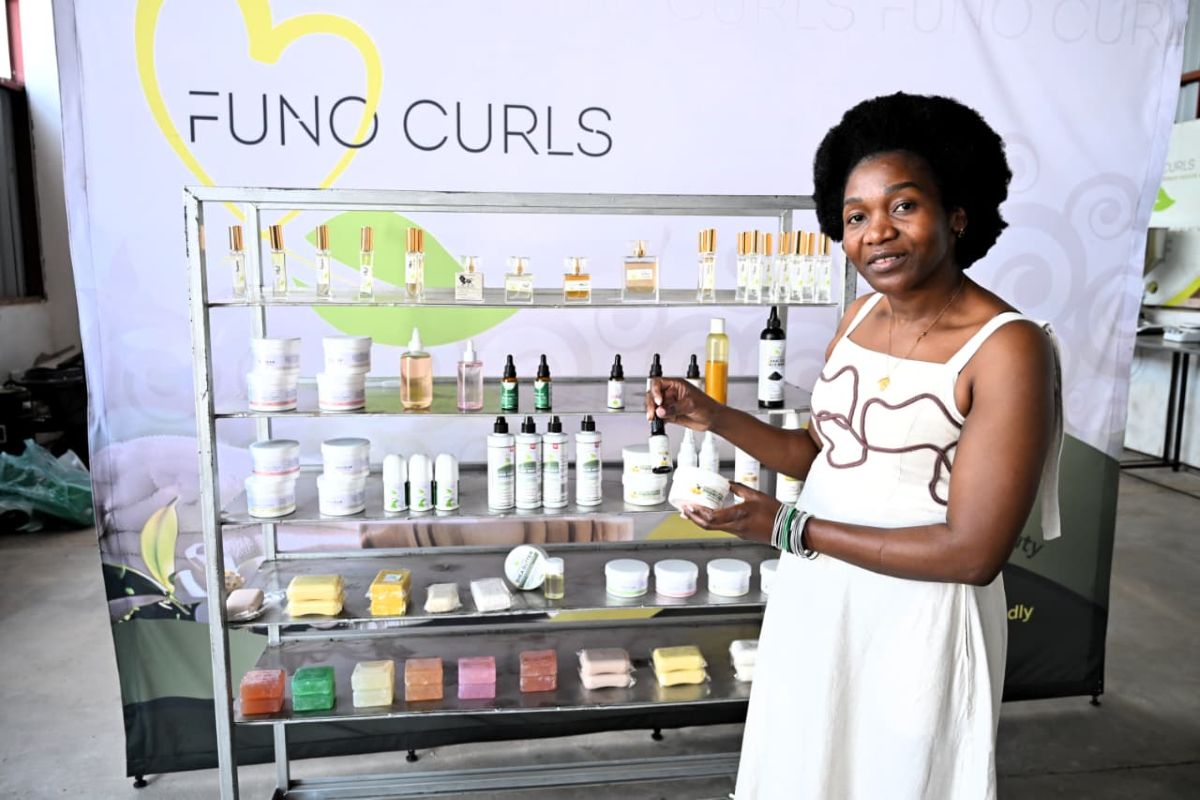
By fusing this ancestral botanical heritage with modern laboratory techniques, Nemakonde established Funocurls Green Beauty. The enterprise manufactures an array of plant-based skin, hair, and body-care formulations derived from indigenous African flora—including moringa, marula, baobab, and Kalahari melon oils. Servicing local retail consumers, hair salons, and beauty parlours, the enterprise also offers contract manufacturing and private-label production services.
Backing from Government and International Reach
Nemakonde’s forward-thinking approach has caught the attention of federal economic growth facilitators. The innovation and technology section of the Department of Trade, Industry and Competition (the dtic) endorsed her hairpiece project, approving funding through the Grassroots Innovation Facilitation Scheme—a programme specifically designed to commercialise high-potential technological innovations born in rural and township areas.
Furthermore, with the assistance of the dtic, Funocurls Green Beauty has already established an international footprint, showcasing South African eco-beauty innovations at trade exhibitions in Egypt, Turkey, the United Arab Emirates, and Saudi Arabia.

Transforming Punda Maria-Makhuvha into an Industrial Hub
Nemakonde’s ambitions extend far beyond product development; her vision encompasses regional economic revitalization. Demonstrating conviction in her concept, she has already acquired factory premises in Punda Maria-Makhuvha village to house her processing plant.
Because processing natural banana fibre into hair extension material requires unique mechanical handling, off-the-shelf equipment was insufficient. Undeterred, Nemakonde collaborated directly with specialized mechanical engineers to design bespoke processing machinery tailored specifically to her production requirements.
“I had to sit down with the engineers and painstakingly explain the types of machines that will make my dream come true,” says Nemakonde. “I am confident that they will come up with something that will turn this place into a successful production plant manufacturing environmentally friendly hairpieces from the banana plants that are in abundance in our area, creating job opportunities in the process.”
As the custom machinery nears delivery and formal testing draws closer, Punda Maria-Makhuvha stands on the threshold of an industrial renaissance. Nemakonde’s enterprise stands as a powerful testament to how rural African entrepreneurs can harness indigenous knowledge, green chemistry, and local agriculture to solve modern market challenges—proving that world-class sustainable innovation can emerge from anywhere