
 By
By 
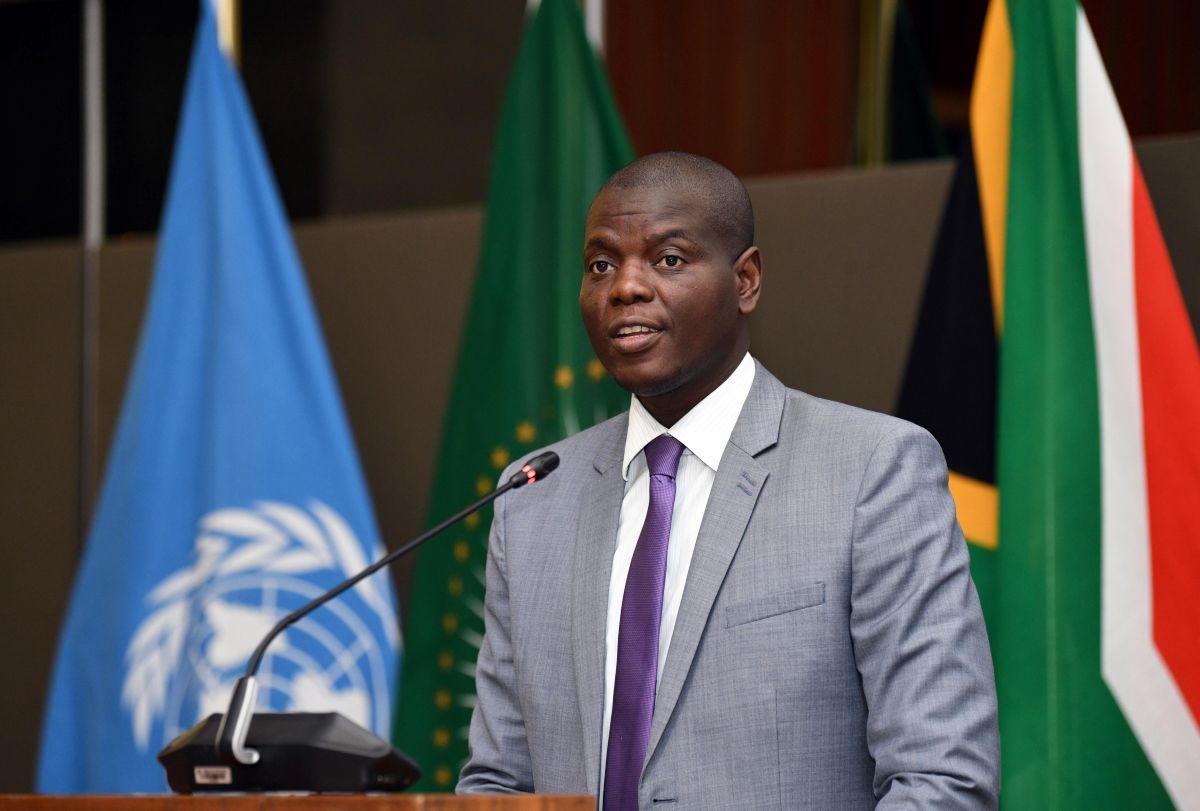
PRETORIA — As South Africa prepares to assume the chairmanship of the Southern African Development Community (SADC), Minister of International Relations and Cooperation Mr Ronald Lamola has outlined Pretoria’s vision for regional leadership, placing migration enforcement, economic integration, and institutional reform at the centre of its agenda.
Addressing the diplomatic corps and media at the OR Tambo Building on August 5, 2026, Lamola set the stage for the 46th Ordinary SADC Summit of Heads of State and Government scheduled for August 17. The summit will mark a major shift in regional governance as President Cyril Ramaphosa formally takes over the SADC Chairpersonship from Zimbabwe for the 2026/27 term.
Regional leaders assembling in South Africa are slated to deliberate on a substantial legislative agenda, considering up to 47 draft decisions aimed at reshaping Southern Africa’s political and economic trajectory. However, beyond routine diplomacy, Pretoria is leveraging the platform to tackle urgent domestic and regional priorities.
A Firm Stance on Regional Migration
Chief among South Africa’s objectives during its tenure will be establishing a structured, security-focused, yet human-rights-aligned regional migration framework. Addressing an issue that sits squarely at the intersection of domestic stability and foreign relations, Lamola underscored that Pretoria will use the summit to push for multilateral cooperation on migration challenges.
South Africa’s strategic approach centres on strengthening border infrastructure, combating irregular migration, enforcing labour laws to curb undocumented employment, and dismantling corruption networks embedded within migration systems. Lamola emphasized that while Pretoria’s measures will be firm and enforcement-driven, they will remain grounded in constitutional legality and international human rights commitments.
Value Addition and Economic Modernization
Beyond security and border management, South Africa’s incoming chairmanship aims to pivot the 16-member bloc toward aggressive industrial transformation. A key theme will be advancing the local beneficiation of critical minerals, ensuring that Southern African nations process their mineral wealth domestically rather than exporting raw resources.
To bolster the region’s economic resilience, South Africa will prioritize:

- Industrialisation and Value Chains: Accelerating cross-border manufacturing and processing capabilities.
- Infrastructure & Logistics: Strengthening transport corridors and energy connectivity.
- Food Security: Enhancing agricultural productivity and regional supply chains.
- Resource Mobilization: Operationalizing the long-delayed SADC Regional Development Fund to finance key projects.
Enforcing Accountability Across the Bloc
Recognizing the historic gap between SADC policy adoption and on-the-ground implementation, Lamola stressed that South Africa will focus heavily on institutional effectiveness. By deploying the Rationalisation Mechanism and the Presidential Champions Initiative, Pretoria aims to streamline monitoring systems and hold member states accountable to adopted decisions.
With President Ramaphosa set to take the gavel on August 17, Pretoria has signalled that its year at the helm of SADC will not be business as usual, but a push for structural economic reform, heightened regional security, and border governance.