
 By
By 
By Dr Calvin Mudzingiri: the current Assistant Dean of the Economic and Management Sciences Faculty at the University of the Free State (UFS) Qwaqwa Campus; and a Senior Lecturer of Economics.
Tourism and hospitality have suffered as well. Frequent attacks on airports and key facilities have made travel through the Gulf region unsafe, undermining global transit routes centred in hubs such as the UAE.
The US–Israel–Iran conflict, which escalated on 28 February 2026, stems from decades-long geopolitical tensions in the Gulf region dating back to 1979. The war has directly affected major oil‑ and gas‑producing states, including Iraq, Qatar, Bahrain, Kuwait, the UAE, Iran, Saudi Arabia, and Oman.
These economies collectively hold roughly a third of the world’s proven oil reserves, and the conflict has significantly disrupted global supply chains and logistics, weakening economic stability worldwide.
Impact of rising oil prices
The conflict has interrupted the production, storage, transportation, and trade of oil. Attacks on Iranian facilities by the US and Israel, and Iran’s retaliatory strikes on infrastructure across Gulf states aligned with the US, have created severe supply bottlenecks. Iran’s closure of the Strait of Hormuz, an essential maritime corridor for regional oil exports, further intensified disruptions.
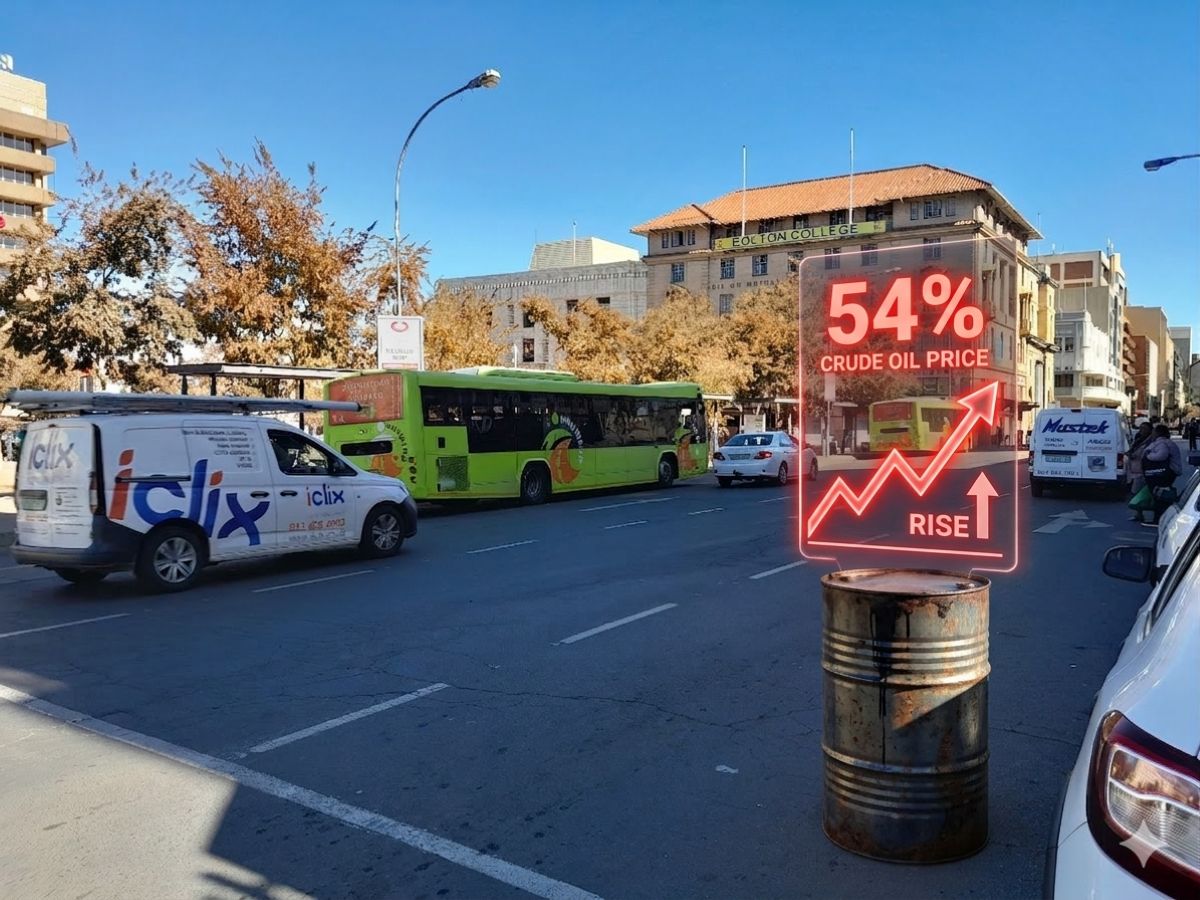
Within days, global oil prices surged from $66.96 per barrel on 28 February 2026 to $103 per barrel on 15 March 2026, a 54% increase. This spike has raised the cost of key economic activities such as manufacturing, transportation, and essential services.
Higher oil prices have also increased the cost of producing goods and services. Airfares, transportation costs, and business‑related travel expenses have risen sharply, fueling broader inflation. As transport costs cascade through supply chains, consumers face diminished purchasing power relative to the pre‑war period.
With global oil consumption estimated at 102 million barrels per day, the price increase translates to a daily global cost of $2.7–$3.6 billion, resources that could have otherwise supported education, health, innovation, and infrastructure.
Additional economic and human costs
Geopolitical conflicts impose significant human and economic burdens. By 15 March 2026, the war had resulted in more than 2,200 deaths and over 23,800 injuries, with extensive infrastructure damage across the region. These losses have worsened living conditions in affected Middle Eastern states and pushed many communities further into poverty.
War financing has also diverted substantial public funds from critical welfare‑enhancing sectors to military expenditure.
Tourism and hospitality have suffered as well. Frequent attacks on airports and key facilities have made travel through the Gulf region unsafe, undermining global transit routes centred in hubs such as the UAE. Broader travel, tourism, and financial markets have also felt the ripple effects of rising instability.
Prospects for ending hostilities
Mitigating economic decline, human loss, and resource misallocation requires diplomatic engagement. Historically, conflicts eventually give way to negotiations, and the same must apply here. Restraint from all parties, including the US, Israel, Iran, Hamas, the Houthis, and Hezbollah, is essential to prevent further destruction and to safeguard regional and global stability. With dialogue and diplomacy, the region can avoid prolonged conflict and protect the valuable infrastructure and progress achieved over the decades.