 By
By As South Africa’s automotive sector converges at the International Convention Centre (ICC) in Durban for South African Auto Week, the message from the highest levels of government is unequivocal.
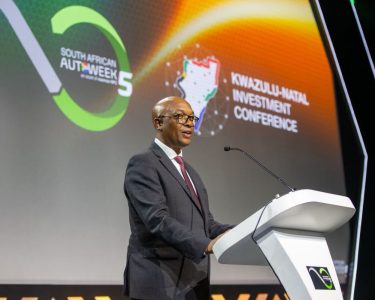
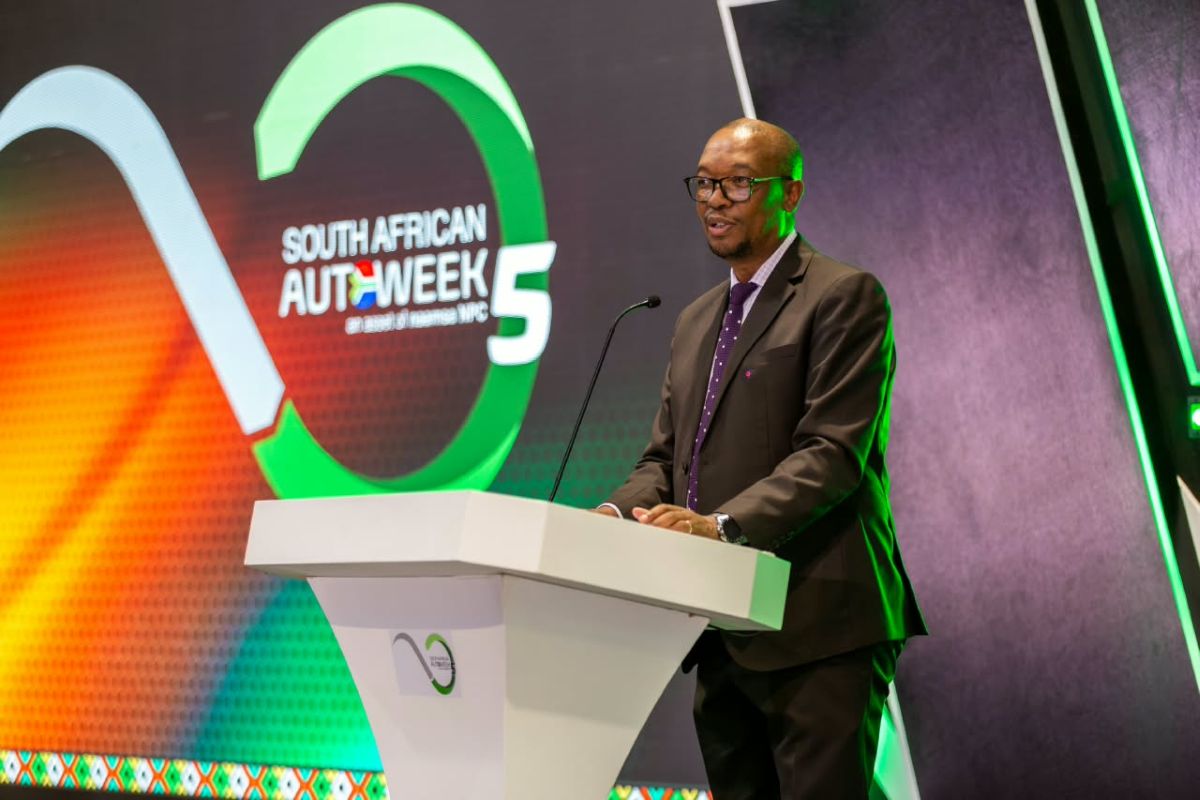
Speaking at the opening session of the three-day event—led by Naamsa| The Automotive Business Council in collaboration with the KwaZulu-Natal government and the Department of Trade, Industry and Competition (the dtic)—Minister Parks Tau outlined a high-stakes roadmap for the industry’s survival and growth.
The core takeaway is clear: transformation, deep localisation, and a seamless transition to New Energy Vehicles (NEVs) are not optional trajectories; they are foundational pillars required to secure South Africa’s manufacturing footprint on the global stage.
The Symbiosis of Competitiveness and Transformation
A central theme of Minister Tau’s address was dismantling the false dichotomy that economic transformation and global competitiveness are at odds. Instead, the Department of Trade, Industry and Competition (dtic) maintains that true resilience stems from inclusivity.
- Broad Supplier Base: An industry drawing on a diverse, capable supplier network is inherently more resilient to external economic shocks and more responsive to global consumer demands.
- Localisation as Reality: Localisation serves as the practical vehicle for transformation, where every imported component substituted by domestic manufacturing unlocks fresh investment, new suppliers, and sustainable employment.
Government policy is shifting to anchor this vision, ensuring that emerging enterprises owned by historically disadvantaged citizens are actively integrated into the burgeoning NEV value chain rather than side-lined at the margins.
Seizing the New Energy Vehicle Opportunity
The global pivot toward green mobility presents South Africa with a historic clean-slate advantage. Rather than playing catch-up in traditional internal combustion engine supply chains, the country can position itself early within emerging green technology markets.
- New Value Chains: Batteries, electric drive units, power electronics, thermal systems, and charging infrastructure represent fresh, rapidly expanding ecosystems.
- Inclusion from Inception: By targeting ownership and partnerships from the ground up, black-owned and women-owned firms have the unique opportunity to enter these sectors at their inception.
To back these ambitions, the government is fine-tuning key financial instruments. The ongoing review of the Automotive Production and Development Programme 2 (APDP2) is engineered to heavily reward actual domestic manufacturing over mere assembly, while offering robust support to component makers.
Notably, a 150% investment allowance now applies to qualifying investments in electric and hydrogen vehicle production. Financial backing is further reinforced through development finance institutions like the Industrial Development Corporation (IDC) and the National Empowerment Fund (NEF) via the Automotive Investment Scheme.
Navigating Sector Pressures and Continental Markets
Despite a forward-looking vision, the sector faces stark headwinds. Minister Tau candidly acknowledged that domestic component manufacturers—both black-owned and established firms—are buckling under severe pressures from rising energy and logistics costs, cheaper imports, and softer demand, which have regrettably forced some operations to close.
Safeguarding the existing industrial base is treated as an absolute prerequisite for meaningful transformation. To alleviate domestic constraints and diversify export destinations, the dtic is championing the Africa Automotive Pact alongside the Association for African Automotive Manufacturers (AAAM) and regional partners in Egypt and Algeria.
This strategic mechanism is designed to operationalize the African Continental Free Trade Area (AfCFTA), opening lucrative new continental markets to fuel the sector’s next era of growth.