 By
By As global energy markets reel from ongoing geopolitical tensions and the lingering shockwaves of Middle Eastern conflicts, Africa faces a critical turning point.
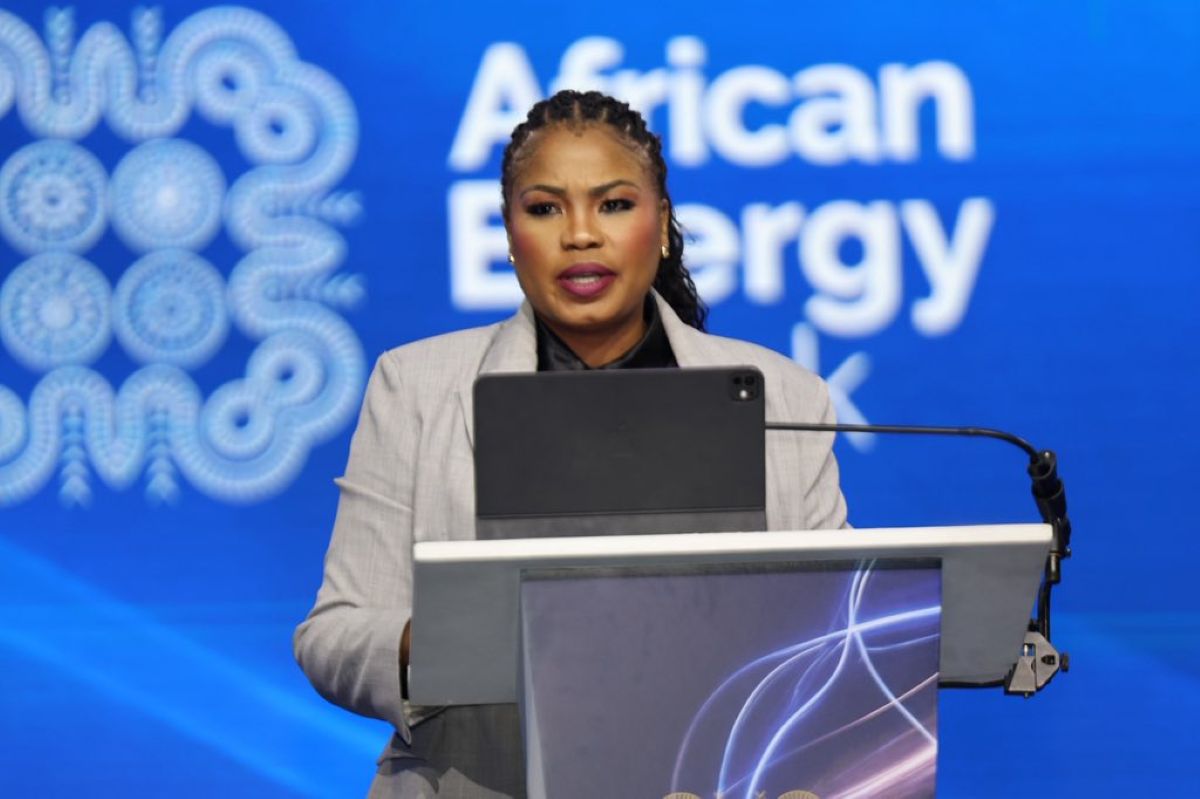
Speaking at the Africa Energy Week (AEW) in Cape Town, Deputy Minister of Mineral and Petroleum Resources Ms Phumzile Mgcina laid out a stark reality: despite sitting on immense natural wealth, the continent remains dangerously vulnerable to external shocks.
With the event centred around the theme “Affordable and Abundant Energy Additions for Africa,” South Africa’s leadership is championing a renewed push toward regional integration, aggressive domestic petroleum processing, and a pragmatic approach to the global energy transition.
The Cost of Import Dependence
While Africa has recorded approximately 77 billion barrels of oil equivalent in new discoveries since 2010, ownership of raw resources has not translated into true energy security. For South Africa, this disconnect is starkly visible in its heavy reliance on foreign fuel markets.
Currently, domestic liquid fuel requirements are met by only two operational crude oil refineries—Astron Energy and Natref—alongside Sasol’s coal-to-liquids facility, covering roughly 40% of the nation’s needs. The remaining 60% of refined petroleum products must be imported.
This massive import dependence exposes the domestic economy to severe international price volatility, supply route disruptions (such as those tied to the Strait of Hormuz), and geopolitical uncertainty. Furthermore, it exports valuable opportunities for local industrial development, job creation, and skills transfer to foreign shores.
To counter this, South Africa is actively pursuing investments to revive, modernize, and expand its domestic refining capacity. The South African National Petroleum Company (SANPC) is positioned to play a pivotal role in these efforts, signalling an open door for international and African capital partnerships that bring necessary technology and expertise.
Rejecting the “False Choice” of the Energy Transition
A central pillar of the Deputy Minister’s address tackled the mounting international pressure on African nations to abandon fossil fuel development. Mgcina forcefully urged the continent to reject the false dichotomy between environmental responsibility and economic development.
Noting that millions of Africans still suffer from energy poverty, high unemployment, and inadequate infrastructure, the Deputy Minister emphasized that Africa cannot industrialize without reliable energy. Unlike developed economies—which built their wealth over generations using abundant, affordable fossil fuels—Africa faces distinct socio-economic hurdles.
“We must not be told to abandon development, not to disregard our environmental responsibilities. Ours is to pursue a balanced, responsible, and development-orientated energy pathway that recognises Africa’s circumstances and serves the long-term interests of its people.”
The Imperative of Continental Integration
Ultimately, the message from Cape Town is that no single African nation can safeguard its energy future in isolation. With interconnected infrastructure, markets, and economic ambitions, the path forward relies heavily on intra-African trade and cross-border cooperation.
By strengthening African financial institutions, leveraging home-grown capital, and expanding regional trade corridors, the continent aims to build a self-reliant energy ecosystem. For South Africa and its neighbours, unlocking the true value of petroleum resources is no longer just an industrial goal—it is an economic survival strategy.