 By
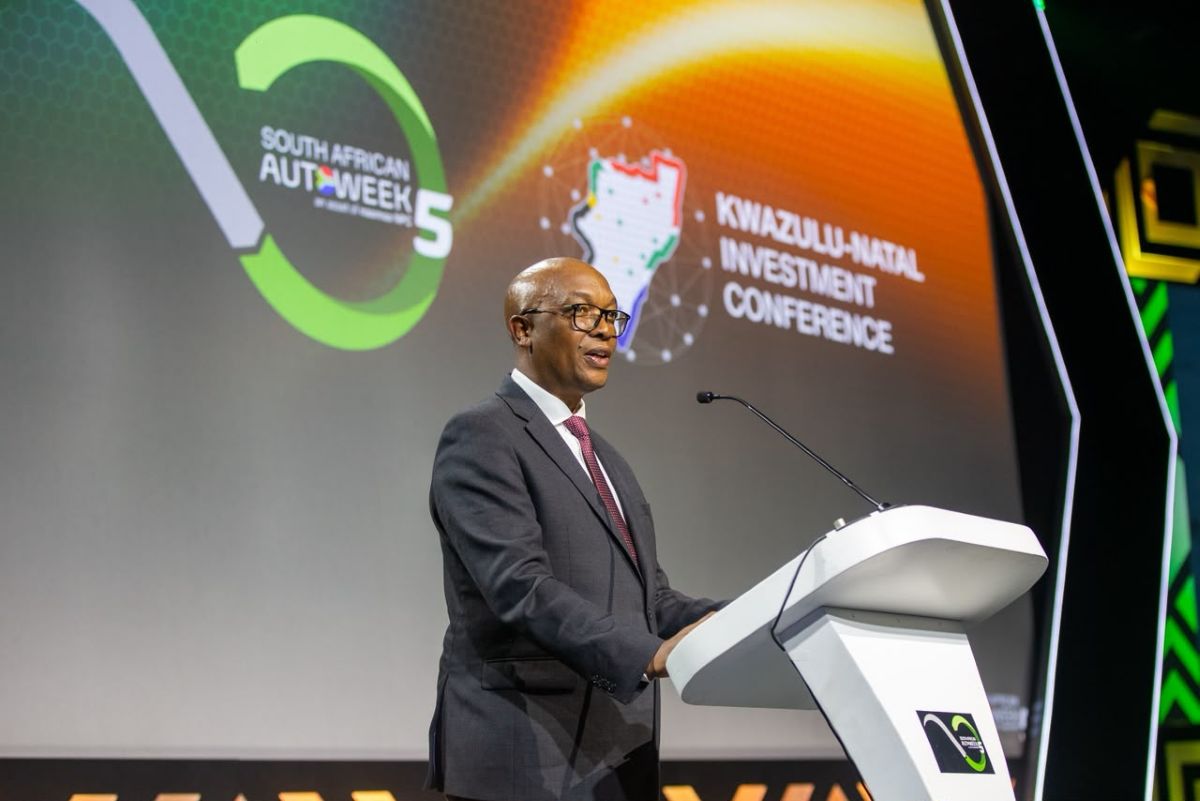
By South Africa is steering its automotive sector toward a profound transformation. Speaking at the SA Auto Week event in Durban on behalf of President Cyril Ramaphosa, Trade, Industry and Competition Minister Parks Tau announced that the country plans to phase out current Semi-Knock-Down (SKD) operations and halt policy support for any new SKD facilities, excluding Medium and Heavy commercial vehicles.
This strategic shift follows a collaborative review of the Automotive Production Development Programme (APDP2) alongside key industry stakeholders, including naamsa, Naacam, and organized labour unions.
As the global automotive landscape undergoes its most significant century-old turning point—marked by shifts in how vehicles are powered, built, and used—South Africa is repositioning its industrial policy to safeguard its long-term market competitiveness.
Strengthening Manufacturing and Localisation
To anchor local manufacturing deeper into the economy, the government is moving to tighten legal definitions around Complete-Knock-Down (CKD) production. Additionally, authorities have agreed that the strategic competitiveness of the country’s ladder frame Light Commercial Vehicle (LCV) segment requires a formal investigation.
Minister Tau noted that he will instruct the International Trade Administration Commission (ITAC) to examine the matter, ensuring that any future protective measures are met with strict reciprocal commitments. These commitments will span production targets, local sourcing, employment growth, transformation, exports, and investment.
Embracing New Energy Vehicles and Decarbonisation
A cornerstone of the sector’s new strategic direction is the embrace of New Energy Vehicles (NEVs) and alignment with global carbon emission goals. With crucial export markets like Europe and the United Kingdom transitioning rapidly, Minister Tau emphasized that South Africa must manufacture the vehicles these markets demand to protect domestic plants and jobs.
The local appetite for cleaner technology is already accelerating; in the first seven months of the year, South Africans purchased nearly as many NEVs as they did throughout the entire previous year.
Furthermore, the automotive roadmap is closely tied to the Critical Minerals Beneficiation Strategy and broader reindustrialization efforts. Anticipating the full lifecycle of these vehicles, the government has initiated work on an End-of-Life Vehicle policy.
By focusing on battery recycling and second-life applications, South Africa aims to cultivate an entirely new green industrial sector from the ground up, ensuring the nation remains a formidable player in the global automotive economy.