
 By
By 
JOHANNESBURG — As South Africa navigates a critical phase of economic restructuring, industrial policy has increasingly pivoted toward resource-based sectors capable of anchoring long-term structural growth.
Today marks a tangible execution of this strategy. The Department of Trade, Industry and Competition (the dtic) has officially facilitated the entry of four high-potential forestry sector firms into the WoodEX for Africa and Deck and Flooring Expo.
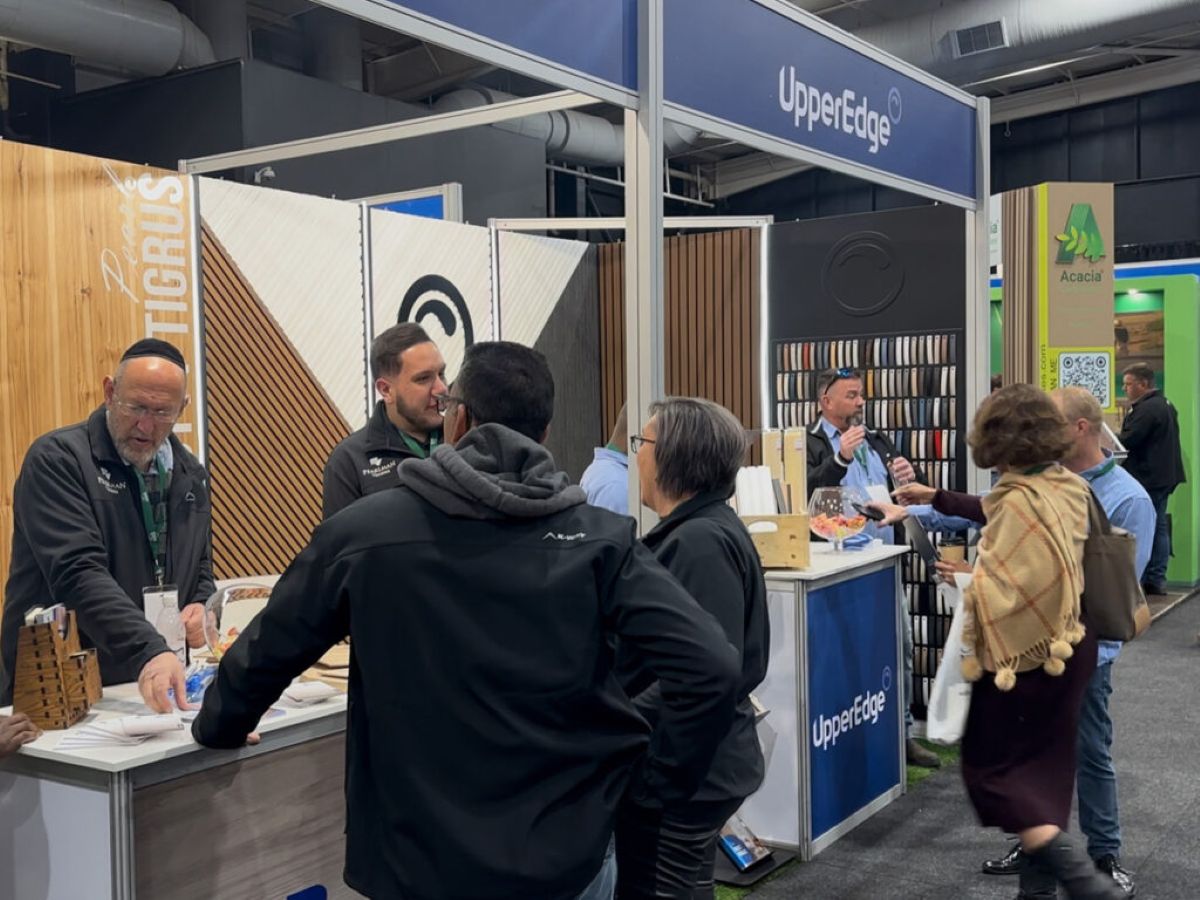
Taking place from 9 to 11 June 2026 at the Gallagher Convention Centre in Johannesburg, the event serves as a microcosm of the state’s broader macroeconomic objectives : advancing industrialisation, accelerating value addition, and aggressively expanding market access for local enterprises.
The Microeconomic Catalysts: Supporting High-Value SMEs
The four participating companies selected by the dtic—CMAS Trading and Projects, Seltech Cupboards, Roofbrands, and Truss Master—represent pivotal nodes in the downstream timber and construction value chains.
From an economic perspective, supporting these specific entities targets several systemic bottlenecks in the South African economy:
- Promoting Industrialisation & Local Manufacturing: By shifting focus toward domestic processing, the initiative reduces the structural dependence on imported finished goods.
- Enhancing SME Competitiveness: Small, Medium, and Micro Enterprises (SMMEs) traditionally face steep barriers to entry regarding marketing and network economic scale. This platform bridges that gap.
- Encouraging Value-Added Production: Moving South Africa up the global value chain from exporting raw logs to exporting highly engineered trusses, roofing, and cabinetry yields significantly higher profit margins and retains wealth domestically.
- Sustainable Job Creation: The forestry and furniture manufacturing sectors are notoriously labor-intensive, making them primary instruments for lowering structural unemployment.
WoodEX for Africa: A Strategic Continental Gateway
WoodEX for Africa is widely acknowledged as the foremost gateway for machinery, tools, forestry, and timber supplies across the southern African continent. In an era defined by the implementation of the African Continental Free Trade Area (AfCFTA), platforms like this are no longer just trade shows; they are critical economic infrastructure.
The expo functions as a highly profitable marketplace that connects trade professionals, specialized dealers, and state actors. For the participating South African firms, it offers a dual advantage: the ability to acquire intelligence on the latest global industry trends and technical innovations, and the opportunity to benchmark operational costs by comparing the most advantageous deals within the contemporary timber trade.
+————————————————————————+
| ECONOMIC IMPACT MULTIPLIERS VIA WOODEX 2026 |
+———————————–+————————————+
| STIMULUS | MACROECONOMIC OUTCOME |
+———————————–+————————————+
| Targeted SME Exhibition Support | Lower Barriers to Entry & Scale |
| Continental B2B Matchmaking | Increased Export & Forex Inflows |
| Value-Chain Integration | Sustainable Local Job Creation |
+———————————–+————————————+
The Macro View: Structural Policy & Value-Chain Integration
This intervention is not an isolated marketing exercise; it is a deliberate application of the dtic‘s overarching industrial policy. The department’s ongoing strategy emphasizes strengthening the competitiveness of local businesses through targeted policies, sector-specific programmes, and strategic interventions.
“Through participation in the exhibition, the dtic aims to grow South Africa’s forestry and furniture manufacturing industries, strengthen industry value chains, and increase commercial opportunities for local businesses.”
By directly exposing local producers to international buyers, the state is attempting to correct a historic vulnerability: under-realized export potential in secondary and tertiary manufacturing. If CMAS Trading, Seltech Cupboards, Roofbrands, and Truss Master successfully secure long-term trade partnerships, the macroeconomic ripples will be felt upstream, benefiting primary forestry growers and logistics providers alike.
Bridging the State-Private Sector Divide
A notable feature of this year’s exhibition is the deliberate space created for direct institutional engagement. the dtic is maintaining an active exhibition stand where visitors and industry stakeholders can interact directly with department officials.
For economists tracking South Africa’s growth trajectory, this public-private interface is vital. It allows real-time feedback on state incentives, clarifies the scope of available business support, and unpacks the long-term regulatory frameworks designed to drive the forestry sector’s multi-decade growth.
Ultimately, the success of South Africa’s industrial policy relies on translating institutional mandates into commercial reality. As transactions get underway at the Gallagher Convention Centre, the immediate metrics to watch will not just be localized sales, but the long-term integration of South African manufacturing into the wider African economic frontier.