 By
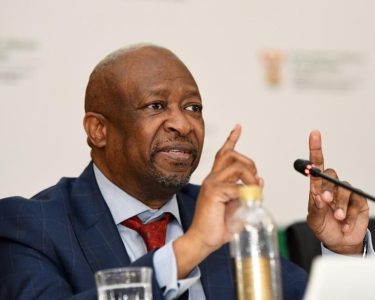
By MELROSE ARCH, JOHANNESBURG — South Africa’s mining sector must move beyond historical workforce inclusion to drive capital allocation, equity ownership, and localized mineral beneficiation, Deputy Minister of Mineral and Petroleum Resources Phumzile Mgcina stated at the Women in Minerals Leadership Engagement on Thursday.

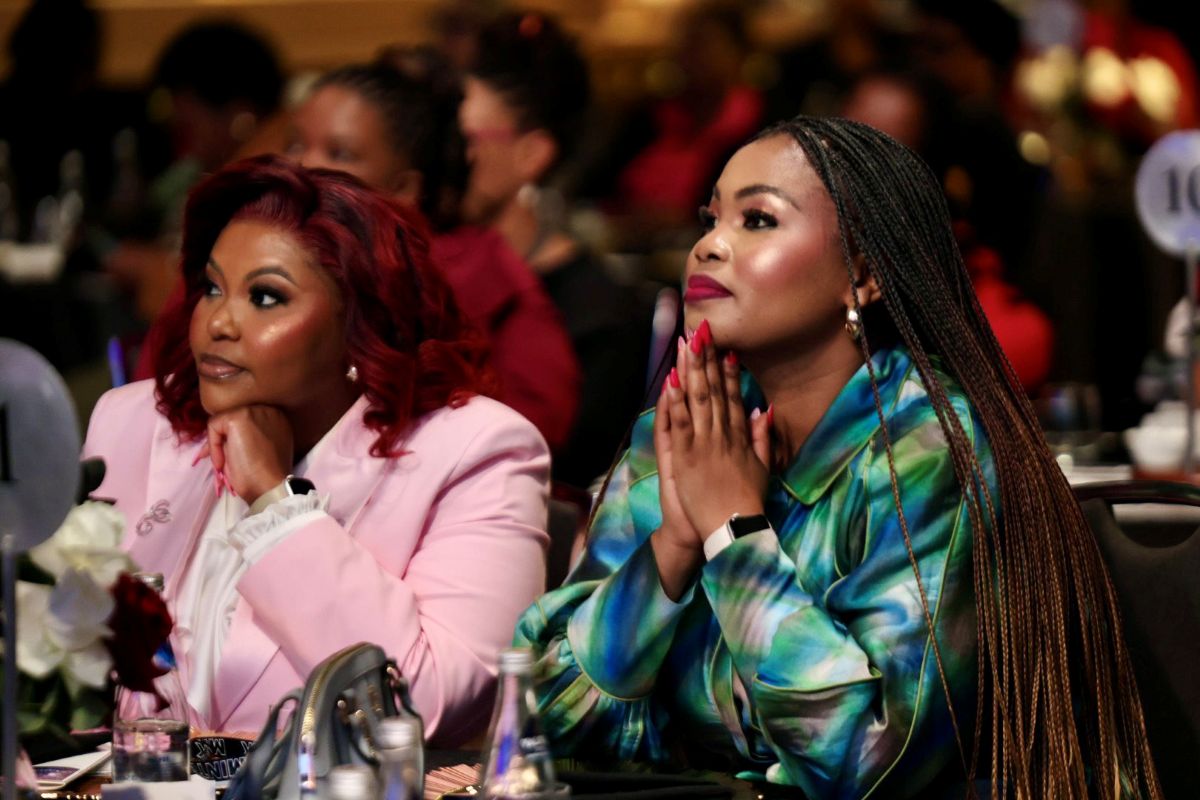
Speaking to an audience of industry executives, institutional investors, and state entity leaders—including Mintek Chief Financial Officer Thembelihle Mbatha—Mgcina framed gender transformation and downstream industrialization as economic imperatives rather than regulatory compliance exercises.
Transcending Historical Exclusions
Addressing the sector’s evolution, Mgcina highlighted that while South Africa’s century-old mining economy historically barred women by law and systematically disenfranchised the black majority through the migrant labor model, structural progress is emerging.
More than 78,000 women are currently employed in core technical operations across exploration, extraction, and mineral processing nationwide. However, the Deputy Minister emphasized that senior female executives and technical professionals must leverage their market position to institutionalize mentorship and open capital channels for the next generation.
“You are here because you are capable leaders, professionals, entrepreneurs, and decision-makers who have earned your place and are making a meaningful contribution to our economy,” Mgcina said, connecting modern industrial transformation to the legacy of the 1956 women’s march leaders Lilian Ngoyi, Helen Joseph, Rahima Moosa, and Sophia Williams-De Bruyn. “The responsibility for transformation cannot rest with government alone. It is a shared responsibility—one that must be carried by all social partners: government, business, labor, and communities.”
Capital Deployment: Early-Stage Exploration and ASM
To address capital barriers historically faced by non-traditional market entrants, the Department of Mineral and Petroleum Resources (DMPR) is channeling dedicated state funds into junior mining and artisanal operations:
- Junior Mining Exploration Fund (JMEF): The R400 million fund designed to de-risk early-stage greenfield and brownfield exploration has backed 13 projects to date, with several female-led enterprises among the portfolio beneficiaries.
- Artisanal and Small-Scale Mining (ASM) Support: Following the deployment of R59.7 million to support 20 artisanal and small-scale projects during the 2025/26 financial year, the department has allocated an additional R31.12 million for the current fiscal period.
- Inter-Agency Collaboration: The DMPR is formalizing a joint support mechanism with the Department of Small Business Development to scale technical capacity and funding access for informal and small-scale operators.
Mgcina noted that these targeted capital deployments align with ongoing refinements to the Mineral and Petroleum Resources Development Act (MPRDA) framework to ensure regulatory predictability while expanding participation for historically disadvantaged individuals.
====================================================================
STATE CAPITAL ALLOCATIONS TO EMERGING MINING
====================================================================
Fund / Mechanism Allocation / Scale
——————————————————————–
Junior Mining Exploration Fund R400 Million (13 projects)
ASM Allocation (2025/26) R59.7 Million (20 projects)
ASM Allocation (Current Fiscal) R31.12 Million
====================================================================
The Beneficiation Imperative

A core theme of the Deputy Minister’s address was ending the structural extraction-and-export model that leaves South Africa vulnerable to global commodity price volatility while exporting high-value jobs and technological development.
Calling for localized mineral value-addition closer to point-of-production, Mgcina urged private sector commercial partners to collaborate with state science councils, such as Mintek, to commercialize domestic processing technologies.
“We cannot continue exporting the jobs, skills, technology, and wealth that should accrue to the people of South Africa,” Mgcina stressed. “We must move from an economy that primarily extracts and exports to one that extracts, processes, manufactures, and creates value here at home.”
Closing the engagement, the Deputy Minister challenged delegates to translate policy discussions into measurable balance-sheet commitments, executive scorecards, and cross-sector partnerships aimed at positioning women at the center of Africa’s mineral economy.