 By
By 
Yemen’s economic crisis is entering a perilous new phase as persistent structural bottlenecks, a dramatic drop in international humanitarian aid, and escalating regional conflicts threaten to push the war-torn nation deeper into instability.
According to the World Bank’s Spring 2026 Yemen Economic Monitor, titled “Pushing Against the Tide,” the country’s national real gross domestic product (GDP) contracted by 1.5 percent in 2025. Analysts warn that the economic decline is set to continue, with GDP projected to shrink by an additional 0.5 percent in 2026 under the weight of severe external shocks.
A Stifled Economy and Fading Aid
The economic paralysis of 2025 was defined by a complete standstill in oil exports, which remain entirely blocked. This export freeze, paired with a highly challenging business environment, restricted access to finance, and severely depressed domestic demand, has effectively choked off growth across almost all domestic sectors.
Compounding the domestic downturn is a catastrophic shortfall in international aid. In 2025, humanitarian financing for Yemen experienced a sharp decline. Funding for the United Nations Response Plan met a meager 28 percent of the country’s actual needs—a staggering drop from the 56.5 percent coverage recorded in 2024.
This funding cliff has triggered severe fiscal pressures for the government. National revenues plummeted to just 5.6 percent of GDP, primarily driven by a substantial reduction in external grants. With its fiscal space virtually exhausted, the government has been forced to slash public spending, directly impacting:
- Public sector salary payments
- Critical economic subsidies
- Essential public service spending
Monetary Interventions Offer Fragile Stability
Amidst the fiscal gloom, the Central Bank of Yemen has managed to achieve a baseline of monetary stability through aggressive exchange rate stabilization measures.
Supported by strategic interventions and external injections—most notably financial support from Saudi Arabia—the Yemeni rial in Aden appreciated sharply in August 2025 and has since managed to hold steady. While this currency stabilization has provided a brief reprieve by easing inflationary pressures, economists warn that the foundation remains incredibly fragile. The country’s primary economic lifelines—remittances, exports, and foreign aid—all remain profoundly weak.
“Yemen’s economy continues to face profound challenges, with limited buffers to absorb new shocks. Sustaining macroeconomic stability, protecting basic services, and supporting jobs and livelihoods will require continued engagement from development partners, alongside progress toward peace and institutional stability.” — Dina Abu-Ghaida, World Bank Group Country Manager for Yemen
Geopolitical Shocks and Human Suffering
The ongoing escalation of regional conflicts in the Middle East has further clouded Yemen’s economic outlook. Because the country relies almost entirely on foreign markets for its essential goods, it is uniquely vulnerable to external volatility.
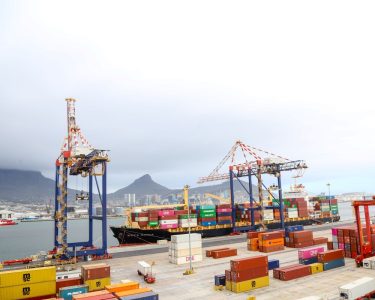
Rising global commodity prices, international supply chain disruptions, and soaring maritime shipping costs are projected to drive inflation back up. For ordinary Yemeni citizens, this means a devastating erosion of household purchasing power. Today, nearly three-quarters of Yemen’s population lives below the poverty line, and a vast majority face severe food insecurity.
A Pathway to Recovery?
Despite operating in one of the world’s most hostile economic environments, Yemen’s Internationally Recognized Government is attempting to engineer a turnaround. The administration has introduced a comprehensive 2026 reform agenda alongside a strict budget designed to restore fiscal discipline.
While these policy commitments offer a viable blueprint for macroeconomic stability and eventual recovery, international observers note that the margin for error is razor-thin. The success of these reforms will ultimately hinge on two critical variables: the government’s ability to execute its agenda tightly, and the willingness of international partners to provide sustained, reliable financial backing.