 By
By 
In a bid to combat systemic municipal infrastructure failures and revitalize the local economy, the Free State Province is looking to the Far East for scalable, cost-effective solutions.
Mr. Saki Mokoena, the Member of the Executive Council (MEC) for Cooperative Governance, Traditional Affairs, and Human Settlements, has officially concluded a high-level strategic infrastructure and investment mission to the People’s Republic of China.
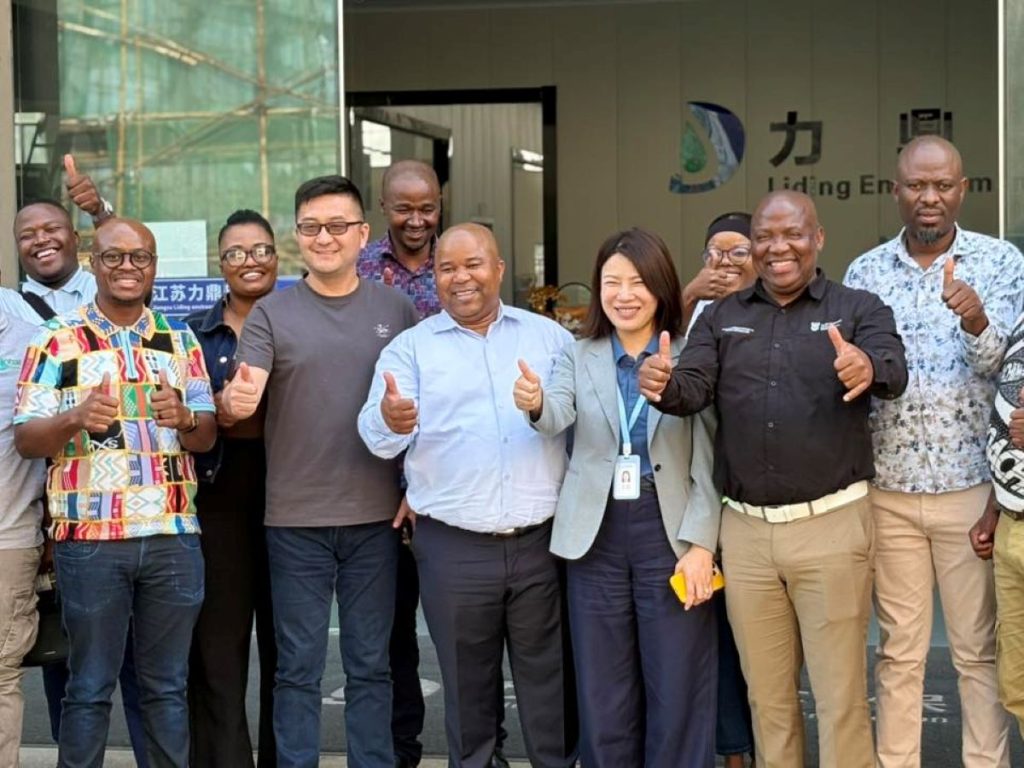
The delegation, which included municipal leaders, executive mayors, and senior management officials, focused on securing international technical partnerships and exploring advanced infrastructure interventions in Shanghai and Jiangsu Province.
The primary objective of the mission was to identify modern solutions to the persistent water, sanitation, and wastewater treatment challenges that continue to choke economic growth and service delivery across the Free State.
Confronting the Municipal Fiscal and Structural Crisis
The timing of this international mission underscores the escalating pressure on South African local government institutions. Municipalities throughout the Free State are currently grappling with a severe nexus of:
Ageing infrastructure that requires urgent modernization.
Rapid urbanisation putting unprecedented pressure on existing grids.
Escalating service delivery demands from growing communities.
Severely constrained financial resources limiting traditional, capital-intensive infrastructure roll-outs.
From an economic perspective, traditional infrastructure overhauls are increasingly unviable given current fiscal constraints. MEC Mokoena emphasized that navigating these challenges requires a structural shift toward global best practices and innovative public-private frameworks.
“The visit provided valuable insights into practical infrastructure solutions that have the potential to strengthen municipal service delivery, accelerate infrastructure roll-outs, and support sustainable development within our municipalities,” Mokoena stated.
Targeting Water Security via Modular Innovation
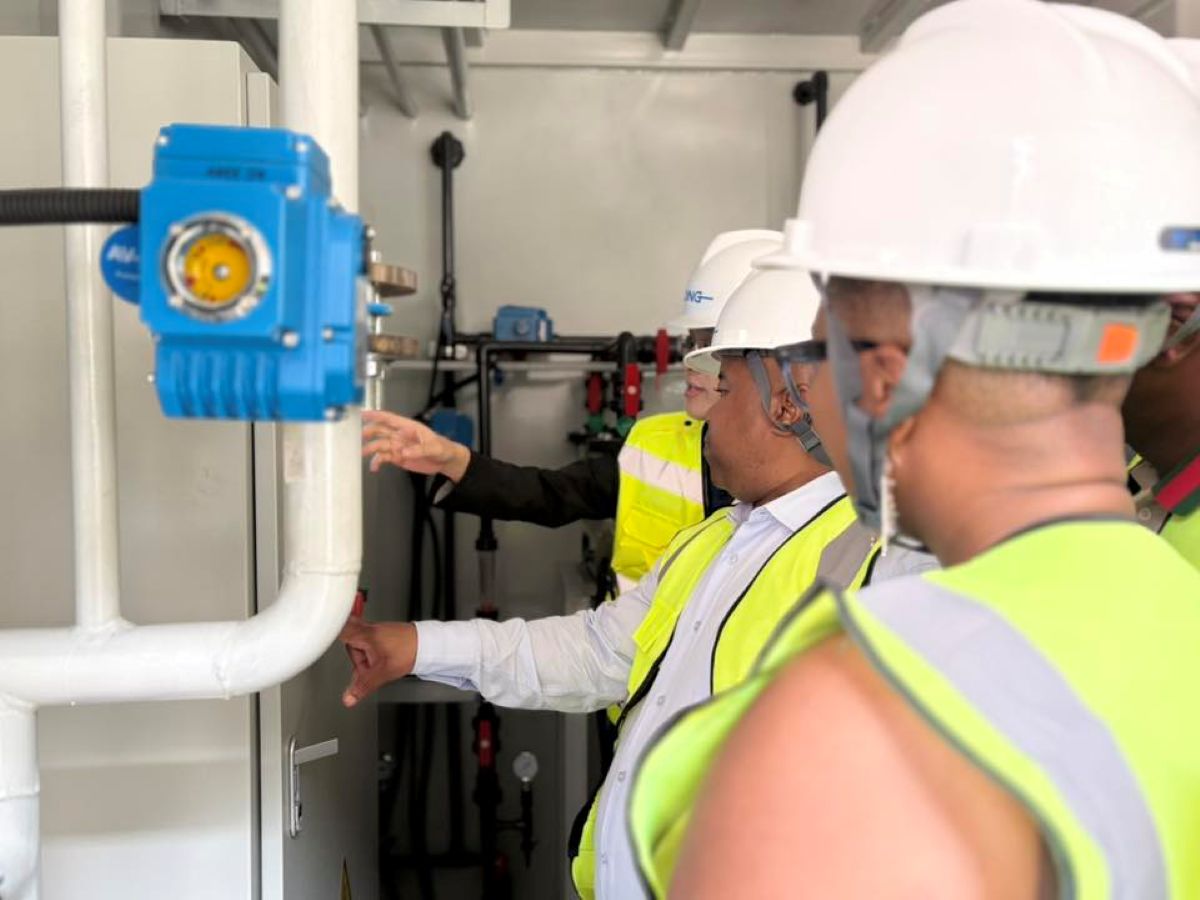
A core focal point of the benchmarking mission was the evaluation of modular wastewater treatment systems. Facilitated by the Foreign Affairs Office in Jiangsu Province, the South African delegation engaged directly with key regulatory and trade entities, including the Hai’an Bureaus of Ecology and Environment, Commerce, and Housing and Urban-Rural Development.
The delegation conducted site visits to major wastewater treatment utilities and a leading manufacturing plant specializing in smart, modular technologies.
┌────────────────────────────────────────────────────────┐
│ ADVANTAGES OF MODULAR WASTEWATER TECH │
├───────────────────────────┬────────────────────────────┤
│ Speed of Deployment │ Faster than traditional │
│ │ concrete infrastructure │
├───────────────────────────┼────────────────────────────┤
│ Scalability │ Easily adjusted for │
│ │ population demands │
├───────────────────────────┼────────────────────────────┤
│ Resource Efficiency │ Highly energy-efficient │
│ │ and adaptable │
└───────────────────────────┴────────────────────────────┘
For the Free State, the economic appeal of these modular systems lies in their flexibility and lower capital entry barriers. Unlike massive, centralized treatment plants that take years to finance and construct, modular units can be scaled to fit specific municipal sizes and environmental conditions. This offers a quicker return on investment and faster relief for underserviced economic hubs.
Long-term Economic and Technical Sustainability
While the mission signals a proactive step toward attracting foreign direct investment and technical exchange, the ultimate success of the initiative hinges on localized execution. The Department of Cooperative Governance and Traditional Affairs (CoGTA) has indicated that the next phase will involve rigorous sustainability assessments. Technical experts and local stakeholders will evaluate how well these Chinese technological frameworks align with South Africa’s broader developmental and regulatory priorities.
If successfully integrated, these international technical partnerships could pave the way for enhanced water security and improved environmental sustainability—two critical prerequisites for attracting broader industrial and commercial investment into the Free State Province.