 By
By The Department of Trade, Industry and Competition (the dtic) has delivered a resilient performance report for the 2025/2026 financial year, showcasing remarkable achievements in investment attraction and export expansion despite a volatile global economic landscape.
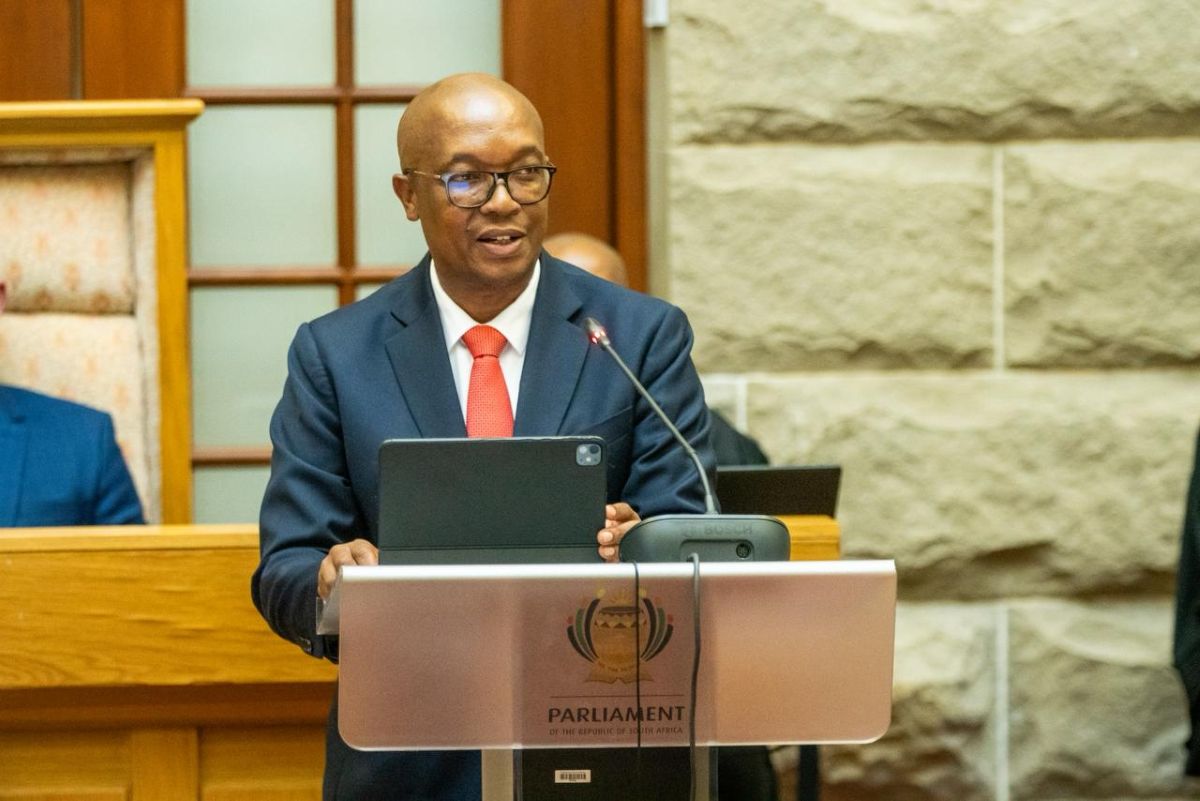
Briefing the Portfolio Committee on Trade, Industry and Competition, Minister Parks Tau highlighted a strategic shift from crisis management to targeted industrial execution, even as the department confronts persistent domestic bottlenecks and international trade pressures.
Investment and Local Procurement Surpass Projections
The standout success of the 2025/2026 fiscal period lies in the dramatic surge of capital inflows and domestic value-addition. According to the dtic, investment attractions into South Africa nearly doubled. Most notably, industrial investment shattered expectations by surpassing R31 billion, comfortably outperforming the initial target of R10billion.
Simultaneously, local procurement initiatives gained unprecedented traction, reaching R86 billion against a projected R50 billion target. Analysts attribute this robust domestic performance to renewed confidence in localized supply chains and targeted government incentives designed to stimulate domestic manufacturing capacity.
Export Resilience and Market Diversification
South African trade performance demonstrated strong resilience against global headwinds, including ongoing geopolitical conflicts in Europe and the Middle East, as well as mounting protectionist pressures against rule-based trade structures.
Global exports climbed to R142 billion, exceeding the R120 billion target. Continental trade proved equally formidable, with exports to the rest of Africa reaching R146 billion. Small, Medium, and Micro Enterprises (SMMEs) played a vital role in this export drive, contributing an impressive R764 billion in export value.
Minister Tau emphasized that the department is actively working to diversify trade partners through established preferences across the European Union (EU), the Southern African Development Community (SADC), BRICS Plus, the United Kingdom (UK), the United States (US), and broader continental markets. Special emphasis is being placed on strengthening export promotion for manufacturing SMMEs and black-owned enterprises to ensure more inclusive economic participation.
Unblocking Infrastructure and Energy Constraints
Operational blockages—particularly concerning energy and infrastructure—have historically hampered South Africa’s industrial output. However, the dtic reported a major breakthrough through its electricity one-stop shop, which successfully unblocked Independent Power Producer (IPP) projects. The initiative surpassed its target threefold, moving from 38 to 92 operational projects during the financial year.
Minister Tau noted that the department is transitioning away from producing paper-heavy strategic documents toward measuring tangible, real-world outcomes for the South African economy. A cornerstone of this revised industrial strategy includes a heightened focus on Special Economic Zones (SEZs) and industry-specific Industrial Parks.
Sectoral Pressures and Operational Hurdles
Despite these stellar headline figures, the report did not shy away from structural vulnerabilities and operational friction points.
- Manufacturing Growth: Overall manufacturing growth hovered just below 0.4%, falling short of the 0.5% target.
- Industrial Parks Expansion: Progress on Industrial Parks faced severe funding constraints, with only 10 out of the targeted 45 parks receiving financial backing.
- Logistics and Rail: Efforts to reduce imports of rail and transport components were impeded by ongoing domestic logistics crises, necessitating temporary concessions to keep immediate supply chains functional.
- Automotive and Trade Negotiations: While the automotive sector continues to thrive under the Automotive Master Plan, negotiations regarding electric vehicles (EVs) with the UK remain protracted due to domestic capacity concerns and future investment security.
- Agriculture and Steel: The poultry sector faces heightened US market demands and quota complexities, while domestic steel producers grapple with steep tariff pressures from the EU that constrain broader market access.
Fiscal Allocation and Governance
The dtic’s expenditure for the period was anchored by high-impact financial interventions. Total spending was heavily driven by industrial incentives totalling R9.1 billion, which included the successful disbursement of R5 billion to qualifying enterprises. External programs, such as the Social Employment Fund, accounted for R1.3 billion, alongside membership fees and strategic non-profit organization transfers.
While maintaining a focus on financial governance and unqualified audits, the department acknowledged the critical need to enhance inter-departmental collaboration to better align government programs and streamline economic execution.
As South Africa steers through a turbulent global economy, the dtic’s 2025/2026 report paints a picture of a department pivoting toward pragmatic, outcome-driven industrialization—balancing major investment victories with deep-seated structural reforms.