 By
By 
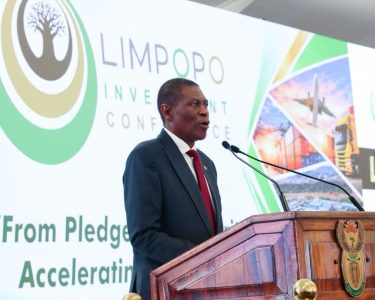
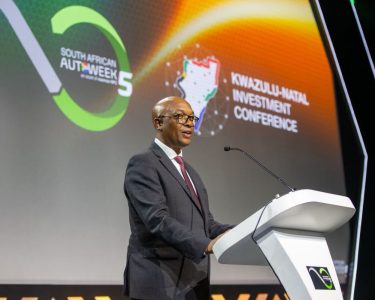
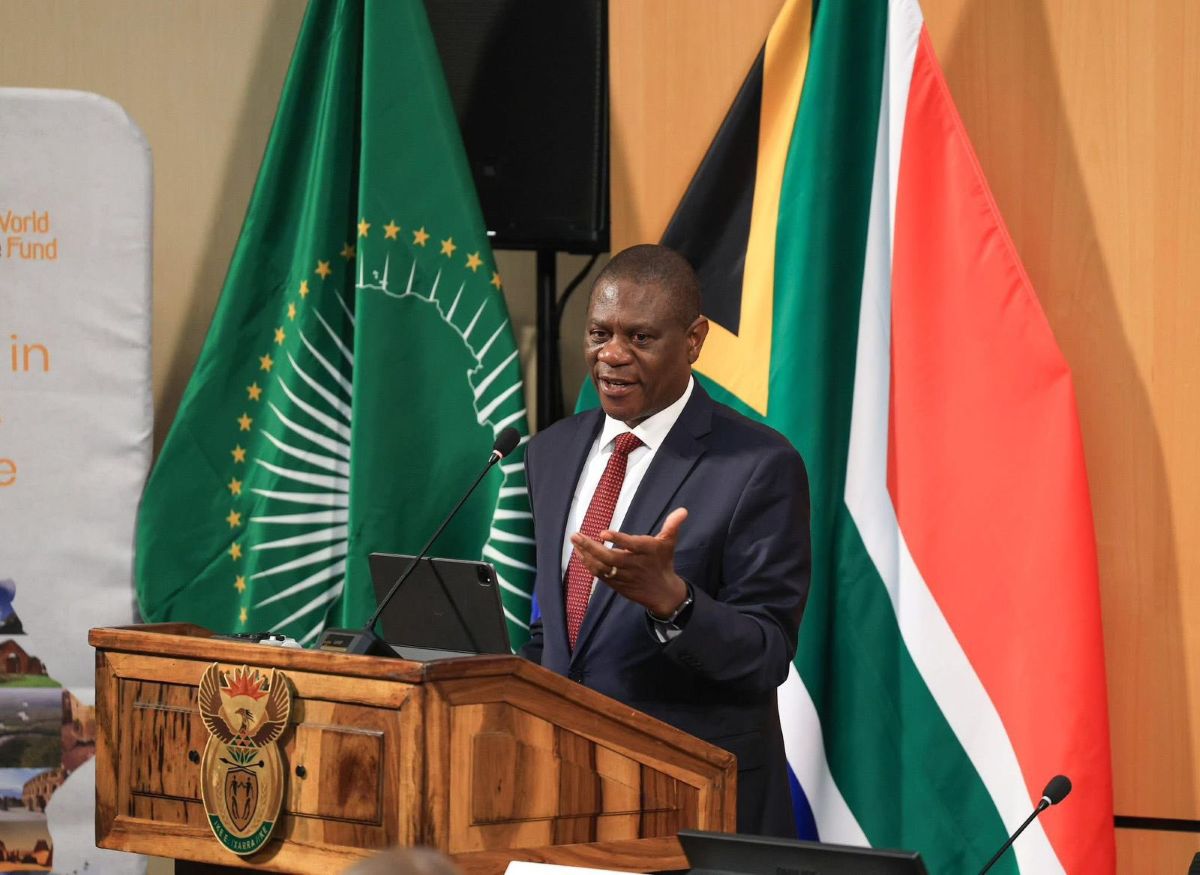
Johannesburg, South Africa — In a strategic move to fortify South Africa’s response to its persistent HIV and TB crises, Deputy President Paul Mashatile will convene a high-level meeting with private sector captains of industry on Thursday, 04 June 2026.
Writing as the Chairperson of the South African National AIDS Council (SANAC), Mashatile’s engagement aims to breathe new life into the country’s National Strategic Plan (NSP) for HIV, TB, and STIs by fostering robust public-private financing models.
Closing the Donor Gap
The primary objective of the meeting, hosted by the SANAC Private Sector Forum (PSF), is to address an increasingly urgent challenge: closing the funding gap left by retreating external donors. While South Africa has made notable strides in treatment and prevention, the roadmap outlined by the NSP is currently bottlenecked by financial shortfalls, a sluggish pace in prevention progress, and stubbornly high rates of new infections.
The Economic Toll: This is not merely a healthcare crisis; it is an economic one. The dual epidemics of HIV and TB continue to drain national productivity, escalate corporate healthcare costs, and disrupt key labor-intensive industries, making private sector intervention a matter of economic survival.
A United Front and Provincial Expansion
Beyond immediate funding strategies, the engagement will mark two major milestones:
- Provincial Rollout: The formal launch of the fully constituted SANAC Private Sector Forum across all nine provinces, ensuring a synchronized national execution.
- Global Alignment: The alignment of expectations, commitments, and messaging ahead of critical national and international funding milestones, including upcoming Global Fund replenishments.
By formalizing this collaboration, the government and the business sector aim to build a sustainable, self-reliant framework capable of mitigating the socio-economic impacts of these epidemics. As international funding cools, South Africa’s domestic leaders are stepping up to safeguard the nation’s health and economic future.