 By
By South Africa’s nascent hemp and cannabis sector is moving rapidly past the era of regulatory promise and entering a high-stakes phase of industrial execution. As the 2nd Quarter Hemp and Cannabis Steering Committee convenes key stakeholders from government, organized labour, and the private sector, the national dialogue has centred on a singular, urgent mandate: transforming agricultural potential into a globally competitive, inclusive commercial powerhouse.
With an ambitious target of 10% annual industry growth, the ongoing review of the national Hemp and Cannabis Master Plan is proving to be a critical policy instrument. For years, industry advocates have lauded the plant’s economic versatility—spanning textiles, construction materials, medicinal derivatives, and wellness products. Today, however, the focus is squarely on execution, supply chain integration, and market access.
The Shift from Potential to Production
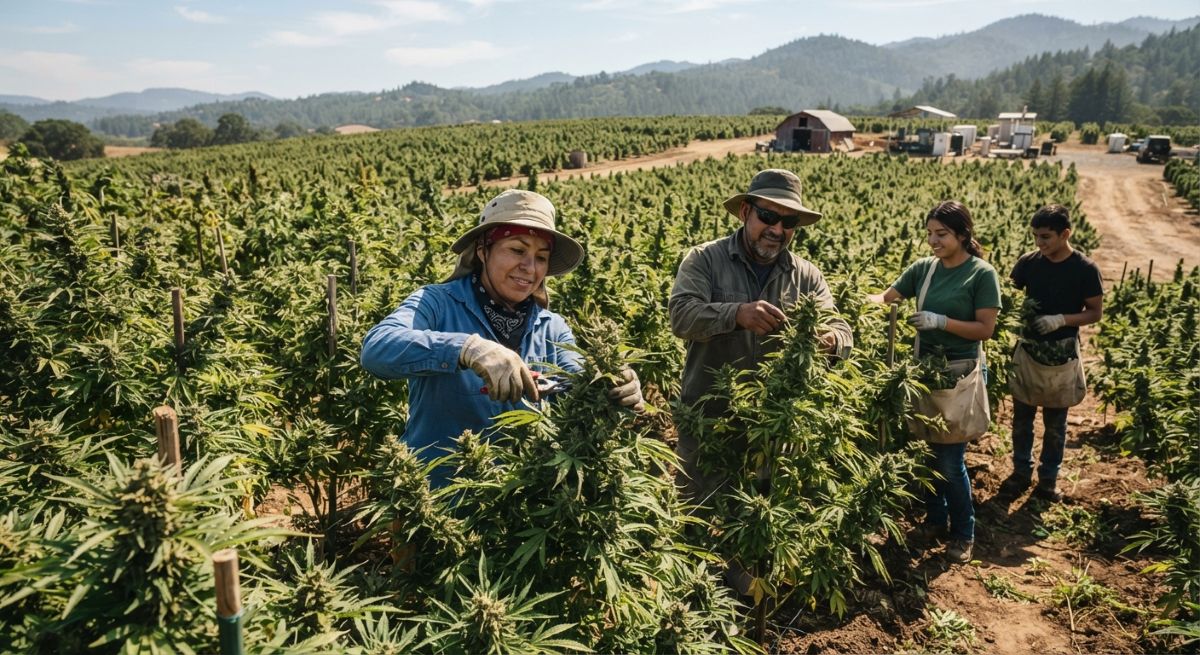
The timing of the current steering committee meeting coincides with the active planting season, grounding high-level macroeconomic discussions in the tangible realities of the agricultural calendar. Stakeholders note that the primary hurdle for South Africa has never been agronomic suitability; the country’s diverse climatic zones are exceptionally well-suited for both industrial hemp and medicinal cannabis cultivation.
Instead, the historical bottleneck has lain in downstream processing, regulatory harmonization, and access to sustainable off-take agreements.
That paradigm is beginning to shift. Major manufacturers and processors are increasingly stepping forward to commit to concrete off-take opportunities. These commercial commitments provide the vital bridge small-scale and indigenous growers need to transition from subsistence or informal cultivation into formal commercial supply chains.
By locking in guaranteed buyers before the harvest, the industry is laying the groundwork for predictable cash flows and long-term capital investment.
Unlocking a Multi-Tiered Value Chain
A defining feature of South Africa’s Master Plan is its multi-sectoral approach, which treats hemp and cannabis not merely as a single cash crop, but as an expansive industrial ecosystem. The value chain is structured around distinct yet interconnected pillars:
- Industrial Hemp and the Built Environment: Beyond textiles and paper, industrial hemp offers revolutionary applications in green building materials. Hempcrete and bio-composites present carbon-negative alternatives to traditional cement and brick, aligning with South Africa’s broader commitments to sustainable infrastructure and climate-resilient construction.
- Medicinal Cannabis and Phytopharmaceuticals: Representing the high-value end of the spectrum, South Africa’s established agricultural expertise positions it well to capture a lucrative share of the global pharmaceutical market. Strict regulatory compliance and Good Manufacturing Practice (GMP) standards remain essential to compete with established international suppliers.
- Cannabidiol (CBD) and Wellness Consumer Goods: The domestic and regional retail markets for wellness, cosmetics, and non-psychoactive dietary supplements continue to expand, offering steady baseline revenues for local brands and processors.
Fostering Inclusive Growth and Transformation
Economic viability in South Africa cannot be divorced from socio-economic transformation. Historically, regulatory red tape and high capital start-up costs have acted as structural barriers, locking out indigenous farmers and historically disadvantaged communities who possess deep-rooted traditional knowledge of the plant.
The revised Master Plan places inclusion at the forefront of policy implementation. By designing support mechanisms tailored for smallholders—such as cooperative farming models, shared-service processing facilities, and targeted financial credit lines—the steering committee aims to ensure that commercialization does not simply consolidate wealth among a few entrenched corporate players.
Instead, the vision is an inclusive industry where rural cooperatives can successfully scale into domestic and international export markets.
Navigating Macroeconomic Headwinds and Export Horizons
Achieving a 10% annual growth trajectory will require rigorous navigation of both domestic and international macroeconomic realities. On the home front, reliable energy supply, efficient logistics corridors, and streamlined licensing frameworks managed by regulatory bodies like SAHPRA (South African Health Products Regulatory Authority) and the Department of Agriculture, Land Reform and Rural Development (DALRRD) remain paramount.
Globally, competition is intensifying as more emerging markets legalize and industrialize their own cannabis sectors. To capture international market share, South African producers must leverage their competitive advantages: lower labour and land costs relative to Western markets, favourable growing conditions, and a strong regulatory reputation for quality control.
The Road Ahead
As the 2nd Quarter Steering Committee concludes its deliberations, the message from public and private sector leaders is unequivocal: South Africa has exhausted its grace period of theoretical exploration. With planting underway, off-take agreements materializing, and the Master Plan undergoing active refinement, the country is systematically building the scaffolding for an industry capable of generating sustainable employment, driving rural development, and diversifying the national export basket.
The seeds of a billion-dollar green economy are firmly in the ground. The ultimate measure of success will be how effectively the nation translates these inputs into shared, equitable prosperity across the entire value chain.