 By
By 
CARLETONVILLE — Rehabilitation in South Africa is taking a decisive turn toward sustainable vocational education, moving beyond primary recovery to focus on skills development, job creation, and long-term economic independence.
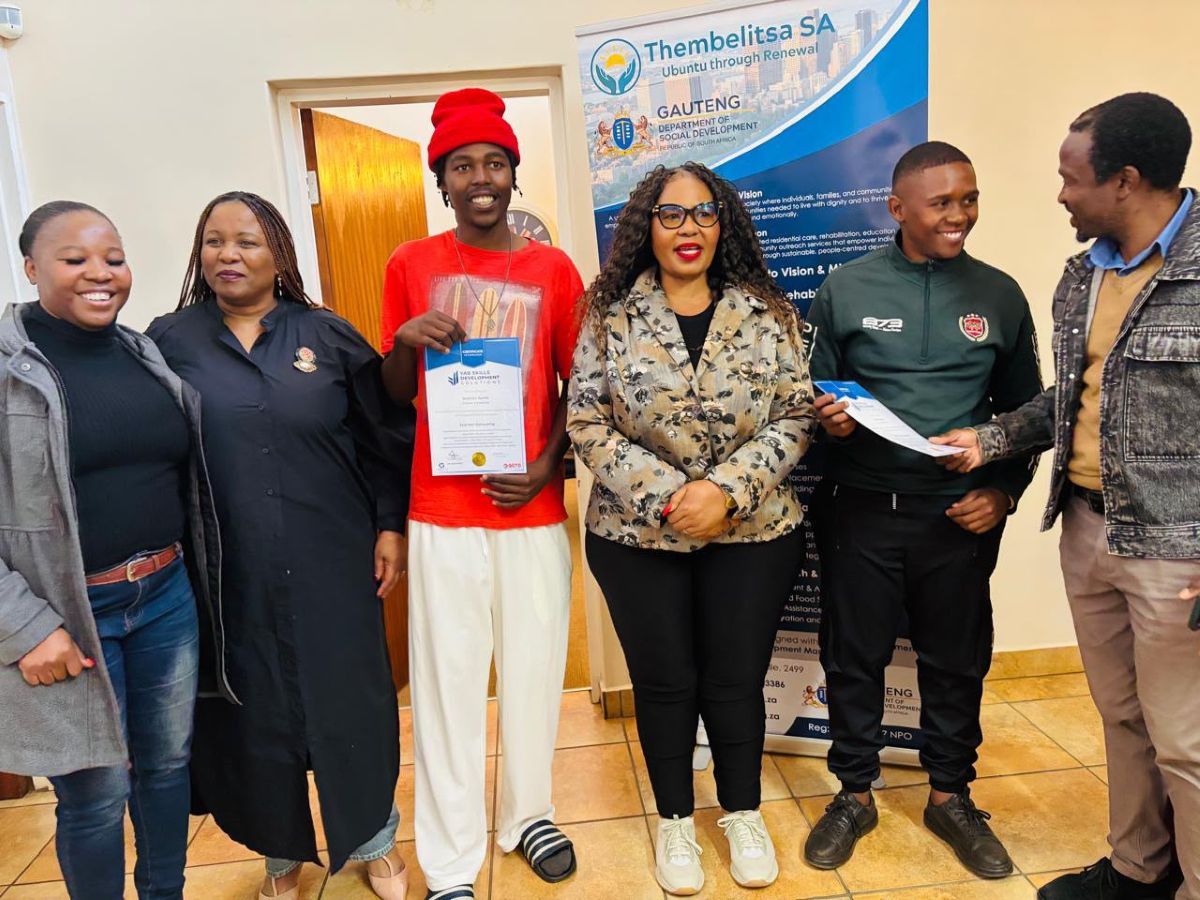
During an oversight visit to the Thembelitsha Halfway House in Carletonville, Gauteng MEC for Social Development, Nomantu Nkomo-Ralehoko, highlighted the critical role that accredited skills training plays in preventing relapse and empowering recovering substance users to rebuild their lives.
Moving Beyond Addiction to Employability
Addressing beneficiaries and staff, MEC Nkomo-Ralehoko emphasized that effective rehabilitation must go hand in hand with practical education. While overcoming substance dependency is the essential first step, long-term success hinges on equipping individuals with tangible, market-aligned tools.
“This facility is making a meaningful contribution to restoring hope and dignity. Although it currently accommodates about 18 beneficiaries, it has the potential to assist many more people through quality rehabilitation and skills development programmes,” Nkomo-Ralehoko noted.
She urged beneficiaries to view their training as a gateway to new opportunities: “Your past does not define your future. Stay focused on your recovery, embrace every opportunity to learn, and leave this centre with both a qualification and a skill that will enable you to build a better future for yourselves and your families.”
Accredited Skills and Economic Reintegration
A key driver of the halfway house’s model is its emphasis on formal, recognized qualifications. Thembelitsha offers a variety of vocational training programmes accredited by the Quality Council for Trades and Occupations (QCTO) and relevant Sector Education and Training Authorities (SETAs).
The centre’s offerings span technical and service-oriented fields, including:
- Personal Care & Aesthetics: Make-up Technology, Hairdressing, Beauty and Nail Technology, and Body Massage Therapy.
- Agriculture: Plant Production and Poultry Production.
According to Alcon Dube, Human Resource Development Manager at the facility, accredited training restores self-esteem while laying the groundwork for self-reliance.
“Our beneficiaries receive accredited training that equips them to start businesses, secure employment, and even create jobs for others,” Dube explained. “These opportunities play a vital role in supporting long-term recovery and reducing the likelihood of relapse.”
Discipline, Hope, and Personal Growth

For the beneficiaries at Thembelitsha, combining structured rehabilitation with continuous learning provides the mindset needed to stay on track.
Sibusiso Dlamini, a 23-year-old student and rugby player currently at the centre, shared how the structured environment and discipline have fuelled his personal transformation.
“Sport has taught me discipline, perseverance, and commitment, and I have applied those same values to my recovery,” Dlamini said. “Rehabilitation requires determination, but it is possible to overcome addiction and build a better future. I encourage others to remain focused, learn from their experiences, and never lose hope.”
A Sustainable Framework for Social Reintegration
The Gauteng Department of Social Development reiterated its commitment to partnering with community-based centres to expand access to skills development. By linking social recovery with formal vocational education, the department aims to create clear pathways toward self-reliance, ensuring that recovery leads directly to meaningful economic participation.