 By
By 
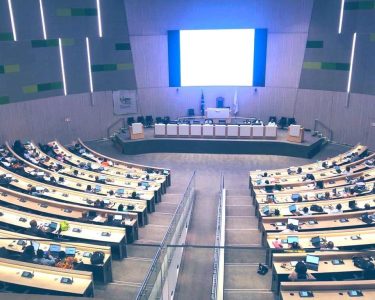
In an era where the frontline of the climate crisis is increasingly defined by local action, Africa’s subnational governments are stepping up to reshape global climate diplomacy. On 21 July 2026, during the annual governance gathering of the Regions4 General Assembly, the Gauteng Provincial Government was formally elected to hold the Vice-Presidency for Africa within the global network.
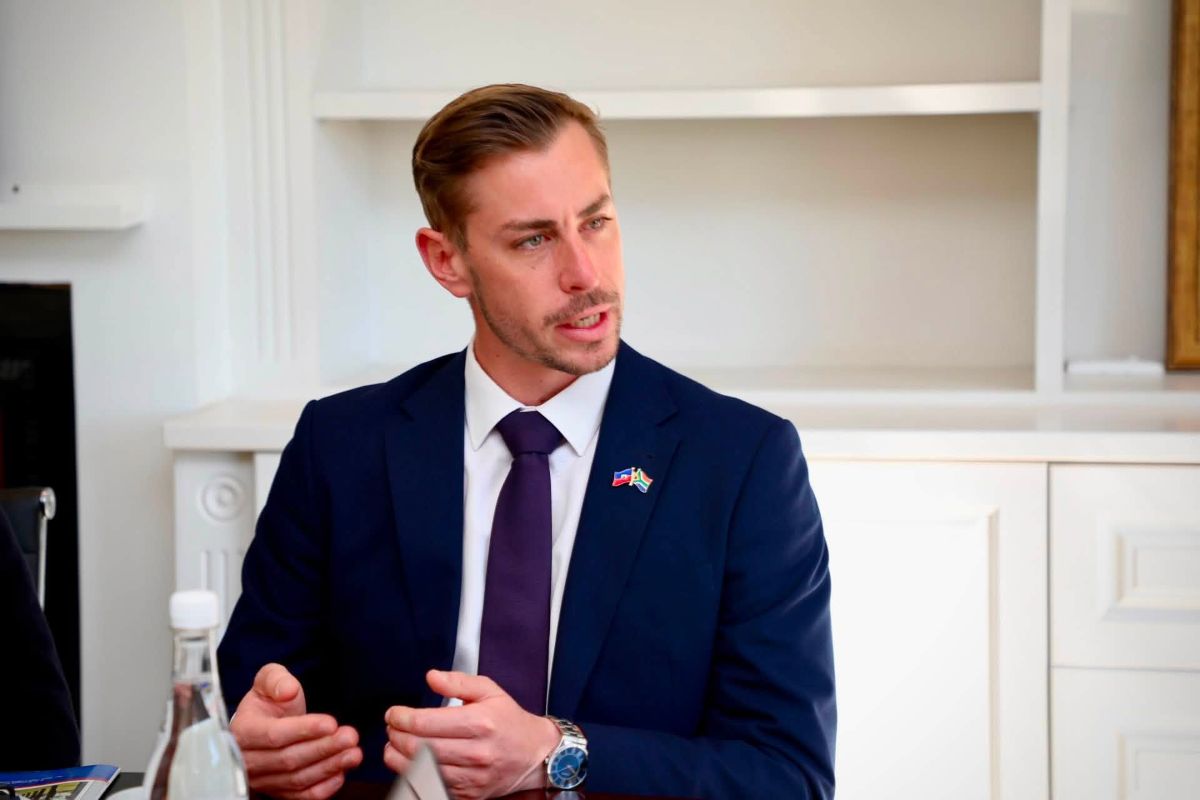
Represented by Ewan Botha, Member of the Executive Council (MEC) for Environment, Gauteng’s appointment signals a critical pivot toward elevated regional leadership, direct access to international funds, and enhanced implementation capacity across the continent.
A Direct Mandate for Change
Regions4—a global coalition established in 2002 to represent states, regions, and provinces in international climate and biodiversity governance—currently spans 59 member regions across 25 countries, representing over 430 million citizens. Gauteng’s election as Vice-President for Africa places South Africa’s economic hub at the center of the network’s governance, empowering it to coordinate African member regions, facilitate knowledge exchange, and amplify regional perspectives on the global stage.
The political and environmental significance of this milestone cannot be understated. As MEC Ewan Botha remarked following the confirmation vote:
“The nomination was humbling, but the vote of confidence carries a different weight. It is a mandate to act. Africa contributes minimally to global emissions yet bears the brunt of the climate crisis. This platform must shift who shapes decisions and how they are made.”
Welcoming the province to its leadership role, Regions4 Secretary General Natalia Uribe emphasized that Gauteng’s dynamic, highly urbanized profile offers a vital, real-world perspective. The region is actively bridging provincial climate strategies with national commitments—such as South Africa’s Nationally Determined Contributions (NDCs) and National Adaptation Strategy—while pushing for concrete adaptation measures on the ground.

Beyond Passive Implementation: Unlocking Climate Finance
A central goal of Gauteng’s vice-presidency is transforming subnational governments into direct architects of global climate strategy, rather than passive implementers. While regional authorities shoulder the responsibility of building resilience against extreme weather, urban expansion, and environmental degradation, they frequently face barriers in accessing global multilateral funding.
To address this structural disconnect, Gauteng plans to leverage its role to advance innovative financing mechanisms, including:
- Blended Finance and Carbon Markets: Unlocking capital structures that derisk green investments.
- Direct Access to Global Funds: Establishing subnational entities as credible implementing partners for funding streams like the Green Climate Fund, Adaptation Fund, and Global Environment Facility.
- Pipeline Development: Building investment-ready projects across municipal sectors to attract targeted international cooperation.
By sharpening subnational governments’ capacity to secure resources, Gauteng aims to convert international commitments into localized, tangible results.
Tackling Complex Realities on the Ground
As the most populous and densely populated province in South Africa, Gauteng encapsulates the severe systemic choices facing rapidly growing urban regions. Confronted with escalating climate risks—including intense heatwaves, torrential rainfall, and persistent drought conditions—the region has embedded climate resilience deeply into its municipal planning framework.
Gauteng’s strategic climate action spans several crucial sectors:
| Focus Sector | Strategic Action Area |
| Water & Agriculture | Resource protection, managing thousands of wetland sites, and securing climate-resilient supply. |
| Energy & Industry | Supporting a just energy transition while fostering a competitive green economy portfolio. |
| Transport & Infrastructure | Embedding sustainable, low-emission mobility solutions into urban expansion. |
| Health & Disaster Risk | Boosting community preparedness and rapid-response mechanisms against extreme weather events. |
Navigating the delicate balance between rapid urbanization, energy transition requirements, and climate vulnerability positions Gauteng as a highly practical peer-learning leader. Its hands-on experience offers valuable lessons for subnational governments across Southern Africa and the wider global network.
Elevating the African Voice in Global Forums
As international climate negotiations head toward upcoming UN Climate Change Conferences (COP) and global biodiversity dialogues, the Vice-Presidency for Africa provides a unified, powerful mouthpiece for subnational governance across the continent.
By pushing for direct recognition, stronger implementation capacity, and equitable access to finance, Gauteng isn’t just representing a province—it is driving a continental agenda aimed at turning global climate rhetoric into real-world resilience for vulnerable territories and populations.