 By
By As the global community observes World Physiotherapy Day, the Gauteng Department of Health (GDoH) is calling on residents to actively utilize public physiotherapy services to prevent long-term disability, accelerate recovery, and improve overall quality of life.

Physiotherapy plays a crucial role in enabling individuals to regain physical independence and manage health conditions effectively. Within Gauteng’s public healthcare network—ranging from primary clinics and hospitals to specialized rehabilitation facilities—physiotherapists support patients recovering from strokes, surgical procedures, fractures, amputations, spinal cord injuries, and traumatic brain injuries.
Services also cater to patients managing chronic illnesses and pediatric patients facing developmental delays or disabilities.
Rising Demand Driven by Chronic Illness and Trauma
The province faces a growing demand for physical rehabilitation, largely driven by a rising burden of non-communicable diseases (NCDs) such as osteoarthritis, stroke, chronic respiratory conditions, cancer-related ailments, and chronic back pain. Provincial rehabilitation data reveals that between the 2019/20 and 2025/26 financial years, NCD-related conditions accounted for over 220,000 new patient episodes and more than 438,000 follow-up interventions.
In tandem with chronic conditions, physical trauma and severe injuries remain primary drivers of rehabilitation referrals across Gauteng. During the same six-year period, health facilities recorded more than 192,000 new injury-related cases and nearly 497,000 follow-up sessions, underscoring the role of targeted physical therapy in helping trauma survivors restore mobility and functional independence.
Pediatric Care and Early Intervention
Beyond adult care, early pediatric physiotherapy interventions remain essential for long-term developmental outcomes. Children presenting with cerebral palsy, developmental delays, intellectual disabilities, and physical complications linked to severe acute malnutrition receive tailored rehabilitation through public health channels. Early access to these specialized services helps ensure children can better integrate and participate in home, school, and community life.
Gauteng’s public healthcare sector provides access to a comprehensive spectrum of physical therapies, including:
- Neurological and cardiorespiratory rehabilitation
- Amputee and pediatric care
- Oncology rehabilitation and lymphoedema management
- Specialized hydrotherapy, clubfoot treatment, wound care, and wheelchair seating clinics
Dedicated specialized facilities—such as Tshwane Rehabilitation Hospital, Sizwe Tropical Diseases Hospital, Weskoppies Psychiatric Hospital, and Cullinan Care and Rehabilitation Centre—further reinforce the province’s capacity to deliver complex rehabilitation services.
Expanding Community Reach and Promoting “Movement as Medicine”
While services are accessible across the provincial healthcare system, the Department remains focused on scaling up primary healthcare access to bring rehabilitation closer to underserved communities.
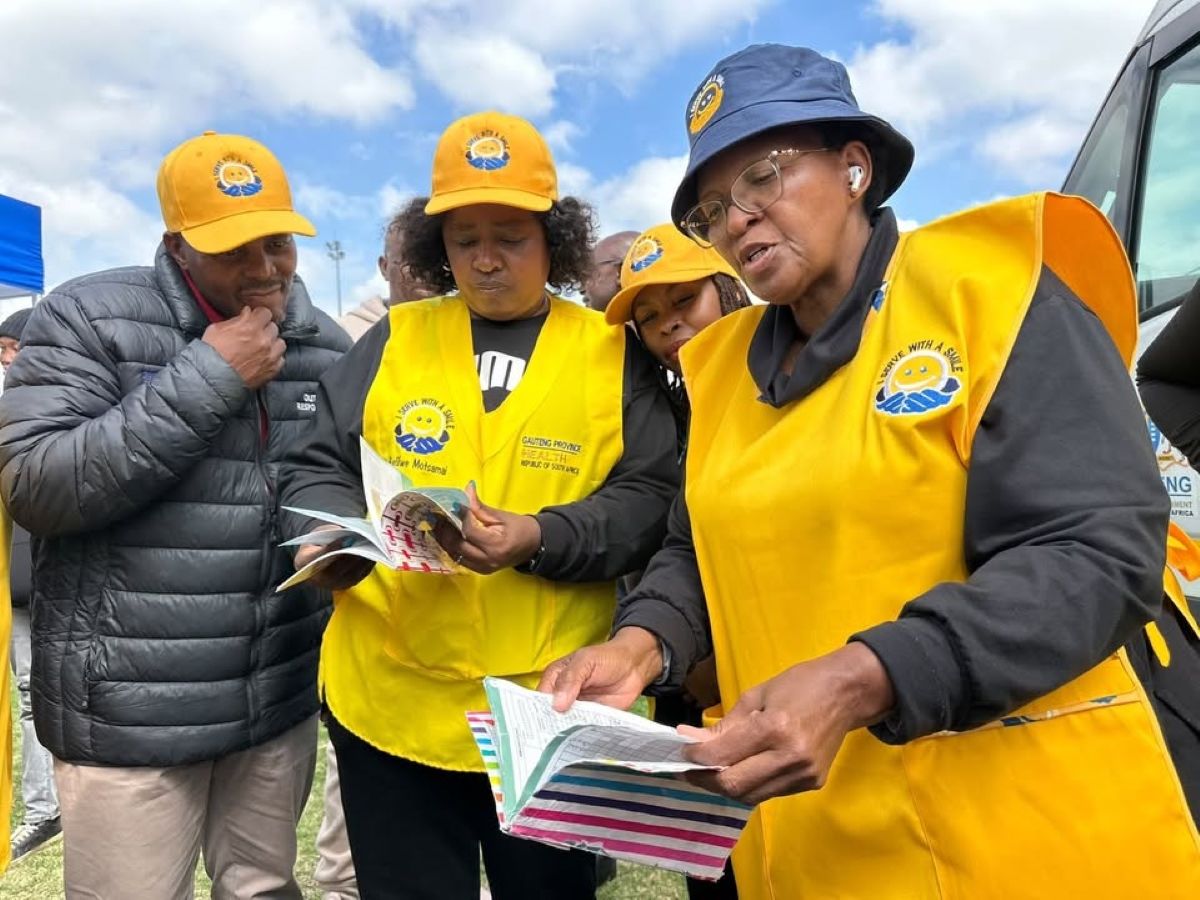
To mark World Physiotherapy Day, public sector physiotherapists across Gauteng are conducting community outreach initiatives, health screenings, wellness workshops, and physical activity campaigns. Central to these efforts is the “Movement is Medicine” campaign, designed to foster active lifestyles and emphasize the preventative power of structured physical therapy.
The Gauteng Department of Health encourages any individual experiencing pain, mobility limitations, or functional impairment following an illness, surgery, or injury to visit their nearest public health facility promptly. Timely rehabilitation not only restores personal physical wellbeing but directly supports broader economic and social participation.