 By
By 
South Africa commemorated Freedom Day on 27 April 2026, marking 32 years of freedom for the previously oppressed. Freedom Day not only symbolises the end of apartheid, but also a new beginning of a democratic and equal society.
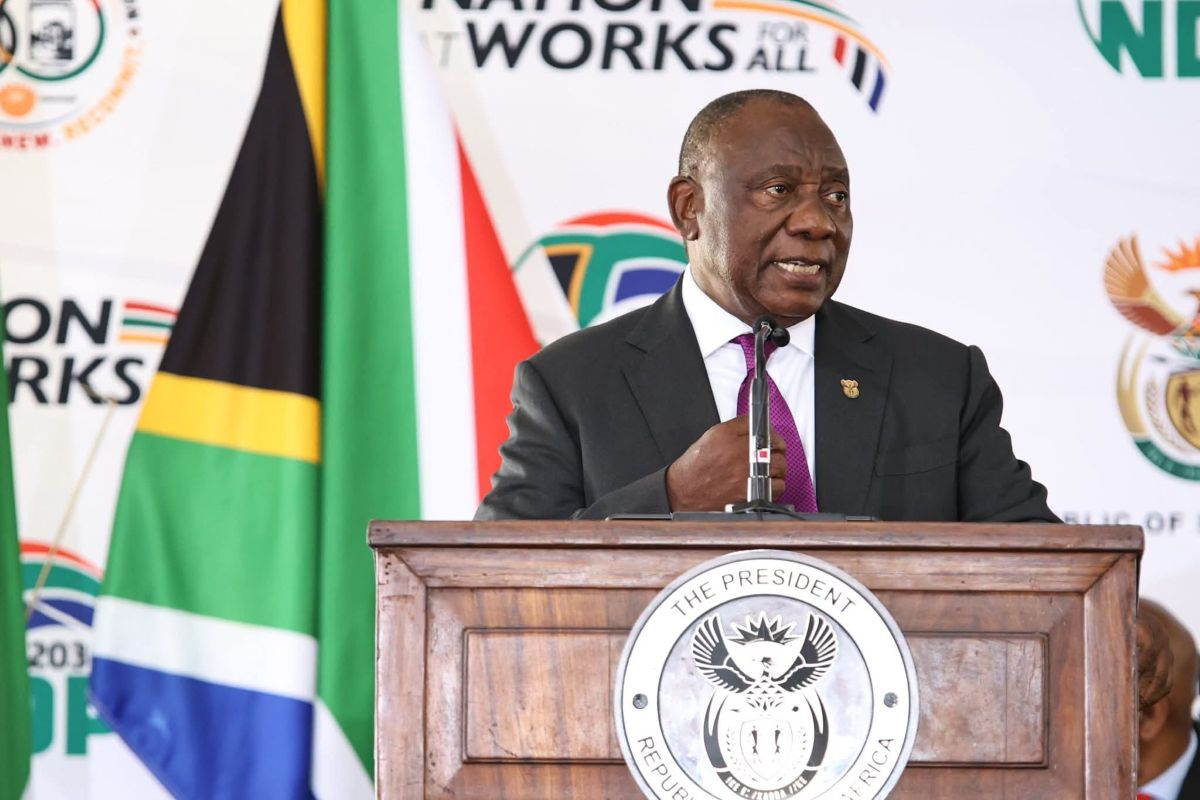
The President of the Republic of South Africa H.E Cyril Ramaphosa led the commemoration in Bloemfontein, Free State; a province that is rich with history regarding the struggle. The Free State gave birth to the African National Congress (ANC) in 1912; it housed the mother of the nation Winnie Madikizela Mandela when she was banished to Brandfort 1977.
Our future will not be built by forgetting where we come from, but by acting with courage on what we have learned – united by one Constitution, bound by a collective responsibility to each other, and in pursuit of a shared destiny.
Ramaphosa, during his keynote address, reflected on the past, where the country comes from and the inhuman atrocities that took place in the Free State province being one of the most affected provinces by apartheid and colonialism. Despite the difficulties, the President said the province produced icons of the struggle including the late Mosiuoa ‘Terror’ Lekota who became the first democratic premier of the Free State.
During the oppressive regime of apartheid, the natives were excluded from participating in the economy and were placed far from economic activity. Ramaphosa said, to date, the gap of inequality in the country is gradually closing and that more and more people or races that were cut off from the economy are now participating in the economy of the country.
“Over the last 32 years, we have used our broad-based black economic empowerment policies to expand the participation of black South Africans, women and persons with disability in the economy. We have begun to redress the economic injustices of our past, expanding ownership, control and management of our economy beyond a privileged few.
The progress we have made is evident in improvements in the income and quality of life of African, coloured and Indian South Africans and the gradual reduction in inequality between races. But this is not enough. There is much more that needs to be done.
That is why we are working to strengthen our broad-based black economic empowerment policies, to make them more effective and more efficient – to ensure that they actually deliver the fundamental changes that our economy needs,” said President Cyril Ramaphosa.
Democracy has seen more Black, Coloured and Indian people entering the mainstream economy, earning a better income and participating in the diverse industries in the country. Ramaphosa said government is making progress in land reform, restoring land to those who were dispossessed of land during the 1913 Natives Land Act and continuing to support its productive use.
President Cyril Ramaphosa said the Free State, being an agricultural province, is leading the country in providing comprehensive agricultural support to emerging and aspiring farmers.
“This Freedom Day stands as a reminder that political liberation was never the final destination. It was the beginning of a longer journey towards economic freedom and social justice.
Let us continue to work together, sparing neither strength nor courage, to complete the unfinished task: the realisation of freedom that is grounded in justice, dignity and prosperity for all.
Our future will not be built by forgetting where we come from, but by acting with courage on what we have learned – united by one Constitution, bound by a collective responsibility to each other, and in pursuit of a shared destiny,” said Ramaphosa.