 By
By 
South Africa’s automotive heartland is standing at a critical juncture where the dual forces of global trade policy and technological disruption threaten to reshape its industrial landscape.
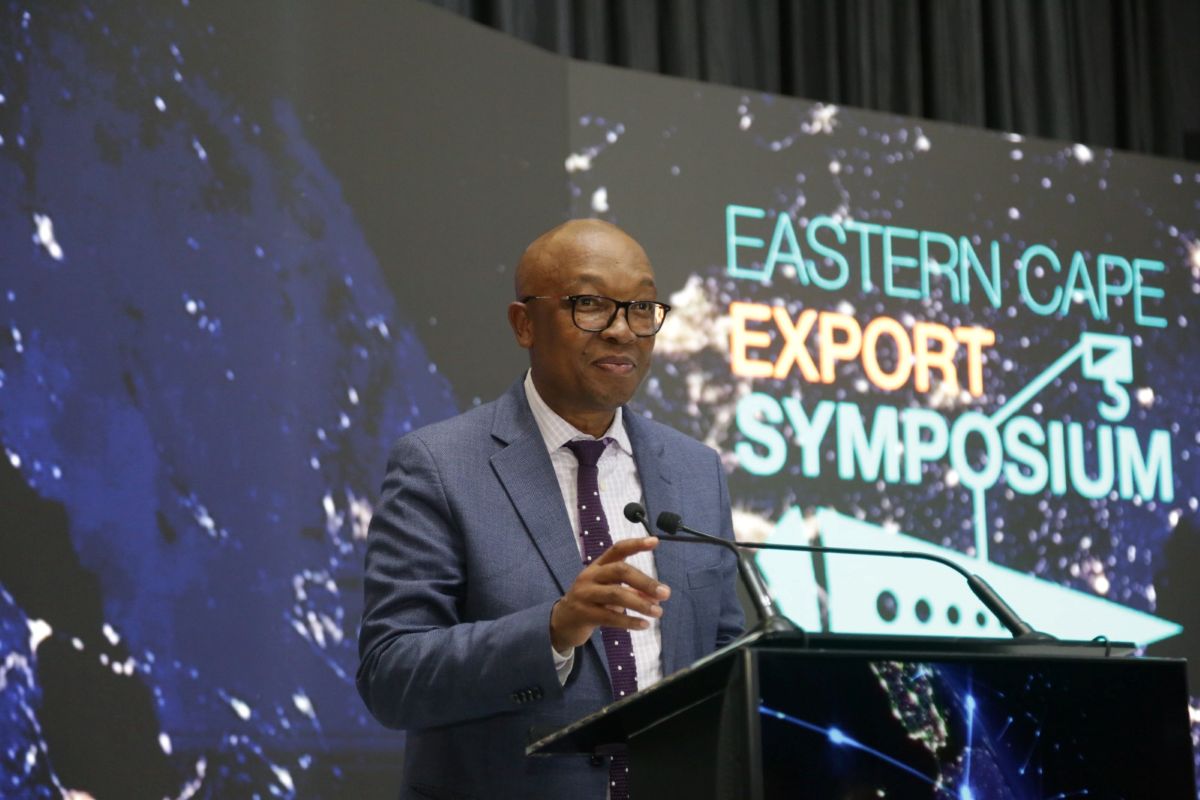
Addressing delegates at the Eastern Cape Export Symposium and Exhibition in KuGompo City, Minister of Trade, Industry and Competition Parks Tau issued a stark warning to industry leaders and local authorities: the Eastern Cape automotive sector must aggressively pursue export diversification, rapid decarbonisation, and digital transformation, or risk severe long-term decline.
The urgency of Minister Tau’s message stems from accelerating regulatory changes in South Africa’s primary export destinations—most notably the European Union’s Carbon Border Adjustment Mechanism (CBAM). With global car manufacturers making vehicle production decisions years in advance, the window for local adaptation is closing rapidly.
Failure to align the domestic supply chain with clean energy standards could trigger devastating consequences for an industry that serves as a core engine of regional employment and GDP.
Integrating Decarbonisation into Industrial Policy
Rather than viewing climate regulations purely as an administrative burden, the Department of Trade, Industry and Competition (the dtic) is shifting its approach to leverage these market pressures as a catalyst for growth. Under its renewed National Industrial Development Strategy, decarbonisation, diversification, and digitalisation are no longer treated as secondary considerations, but as the foundational pillars of national economic planning.
A central focus of this strategy involves transforming current operational headwinds into new economic opportunities. Key initiatives highlighted by the Minister include:
- End-of-Life Vehicle Framework: Developing a comprehensive end-of-life vehicle policy to foster a circular economy within the local manufacturing ecosystem.
- Renewable Energy Expansion: Positioning the Eastern Cape as a regional power in clean energy generation to decarbonise local manufacturing processes and improve export competitiveness.
- Steel Decarbonisation Roadmap: Partnering with the Industrial Development Corporation (IDC) and international stakeholders to execute pilots in hydrogen-based production, integrate renewable power, and ensure a just transition for affected workers.
Addressing Structural Barriers and Logistics
The transition toward green automotive manufacturing cannot succeed in isolation from local governance and infrastructure. Minister Tau highlighted the need for a coordinated approach to resolve systemic and structural local government issues—particularly around energy delivery, municipal services, and logistics networks.
Because international trade measures directly affect both municipal infrastructure and local factory floors, fixing these operational bottlenecks is vital to maintaining the province’s competitive edge and preventing international original equipment manufacturers (OEMs) from shifting production allocations to competing nations.
Empowering the Next Generation of Exporters

To translate these high-level policy goals into tangible export growth, the dtic is taking concrete steps to support emerging businesses and expand the province’s trade footprint. The government is actively expanding its trade assistance mechanisms through two major interventions:
- Expanding Credit Access: Strengthening the mandate of the Export Credit Insurance Corporation of South Africa (ECIC) so it can directly underwrite and support emerging exporters entering foreign markets.
- Revitalising Exporter Programs: Reviewing and updating the National Exporter Development Programme to build a resilient, modern pipeline of South African trade partners.
Executing this industrial roadmap requires seamless cooperation across every tier of government and the private sector. By aligning national strategy with the Eastern Cape Provincial Government, the Eastern Cape Development Corporation (ECDC), Special Economic Zones (SEZs), and private industrial partners, the ministry aims to convert green investment opportunities into sustained job creation and long-term economic stability.