 By
By 
BLOEMFONTEIN — A recent demonstration advertised as a grassroots movement for better civic amenities has instead ignited a fierce political storm in the Mangaung Metropolitan Municipality, exposing deep-seated tensions ahead of upcoming local government elections.
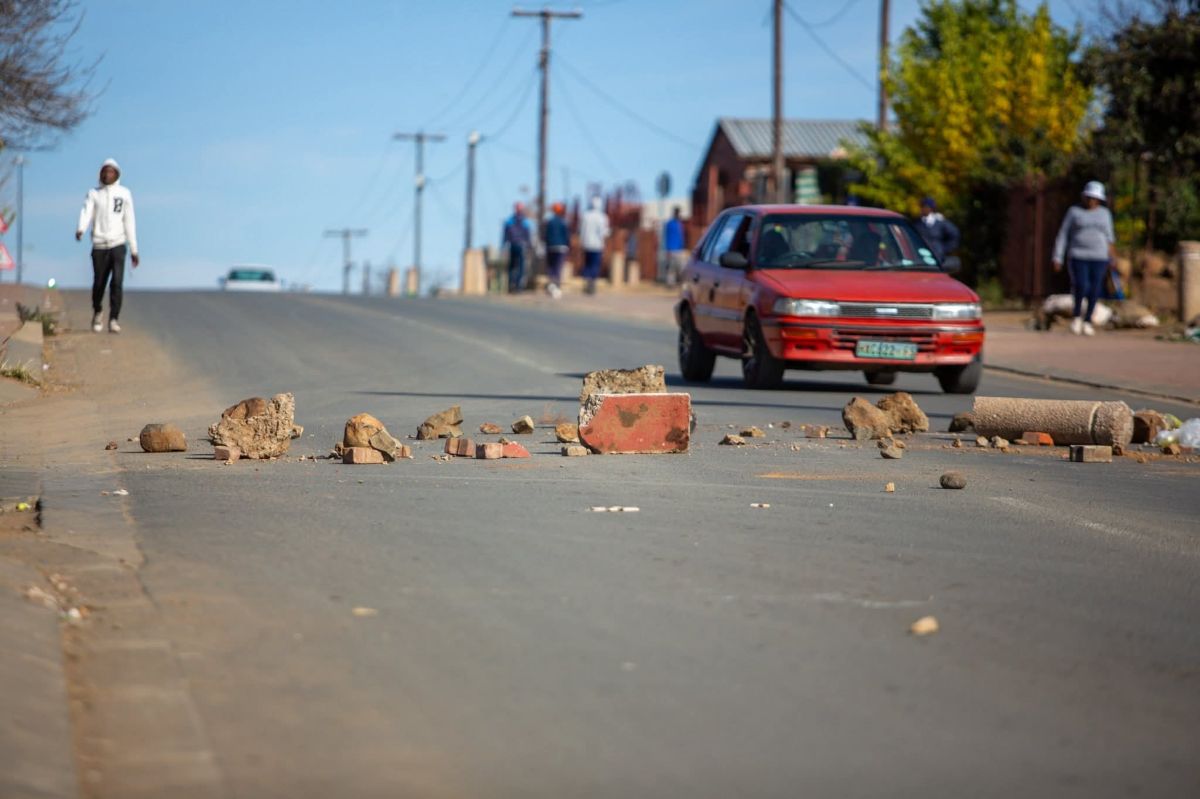
The Democratic Alliance (DA) has lashed out at the organizers of Monday’s “NSDF Mangaung Shutdown,” branding the disruptive event as “political opportunism disguised as service delivery protest.” What was meant to highlight municipal decay rapidly deteriorated into a volatile spectacle of violence, vandalism, and economic paralysis.
A City Paralyzed by Chaos
The May 25 shutdown effectively brought the metro to a standstill. Local businesses shuttered their doors, commuters were left stranded, and essential municipal operations were completely paralyzed. According to reports from the Free State South African Police Service (SAPS), the situation escalated into widespread lawlessness, resulting in the arrest of 142 individuals on charges ranging from public violence and business robbery to malicious damage to property.
Particularly alarming were reports from residential areas like Grasslands 1, where innocent families were forced to defend their homes from stone-throwing youths allegedly originating from Bergman Square.
In a press statement, DA Councillor Rudi Maartens acknowledged that Mangaung residents have legitimate grievances regarding the collapse of basic services—including chronic sewerage failures, water interruptions, erratic refuse removal, and deteriorating roads. However, Maartens drew a firm line between democratic dissent and criminal disruption.
“Violence, intimidation, property damage, and blocking workers from performing essential duties do not improve service delivery,” Maartens stated. “They make life harder for ordinary families and deepen the crisis.”
Cynical Grandstanding vs. Community Needs
The DA has openly questioned the shifting ideological landscape of the protest, pointing to a confusing mix of rhetoric from organizers that fluctuated between demanding better municipal response, campaigning against undocumented foreigners, and staging media-centric stunts. The party suggests the true motive behind the unrest is purely electoral, accusing populist figures of weaponizing community frustrations for political gain.
Beyond the immediate safety concerns, the economic fallout for a metro already grappling with severe unemployment is stark. Disrupted supply routes and forced commercial closures have further dented investor confidence, threatening the fragile local economy.
The Path Forward
In the wake of the unrest, the DA has called for:
- The strict prosecution of all arrested offenders by law enforcement.
- An immediate impact assessment and public recovery plan from the Mangaung Metro to restore delayed services.
- A rejection of populist manipulation by the electorate.
As the political temperature rises ahead of the local polls, the events in Mangaung serve as a stark reminder of the fragile line between civic activism and political theater. For now, the DA maintains that service delivery must remain a fundamental right for citizens, rather than a tactical weapon for aspiring politicians.