
 By
By 
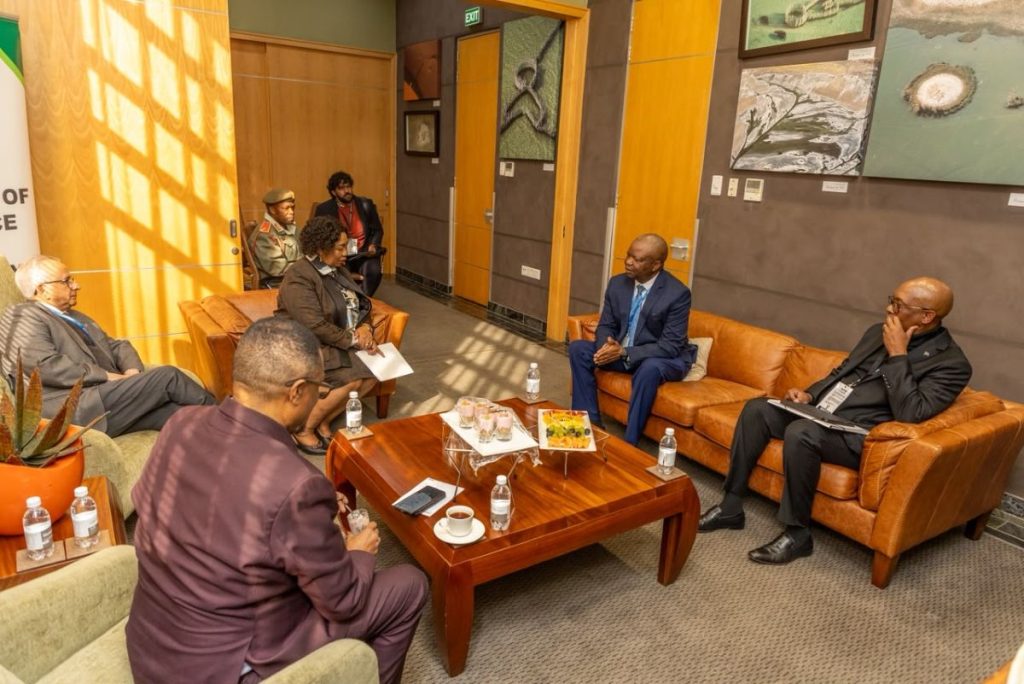
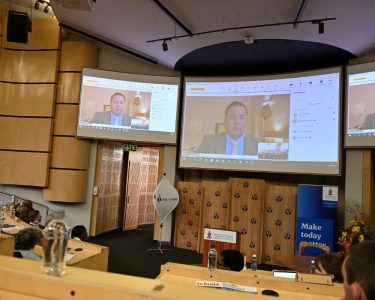
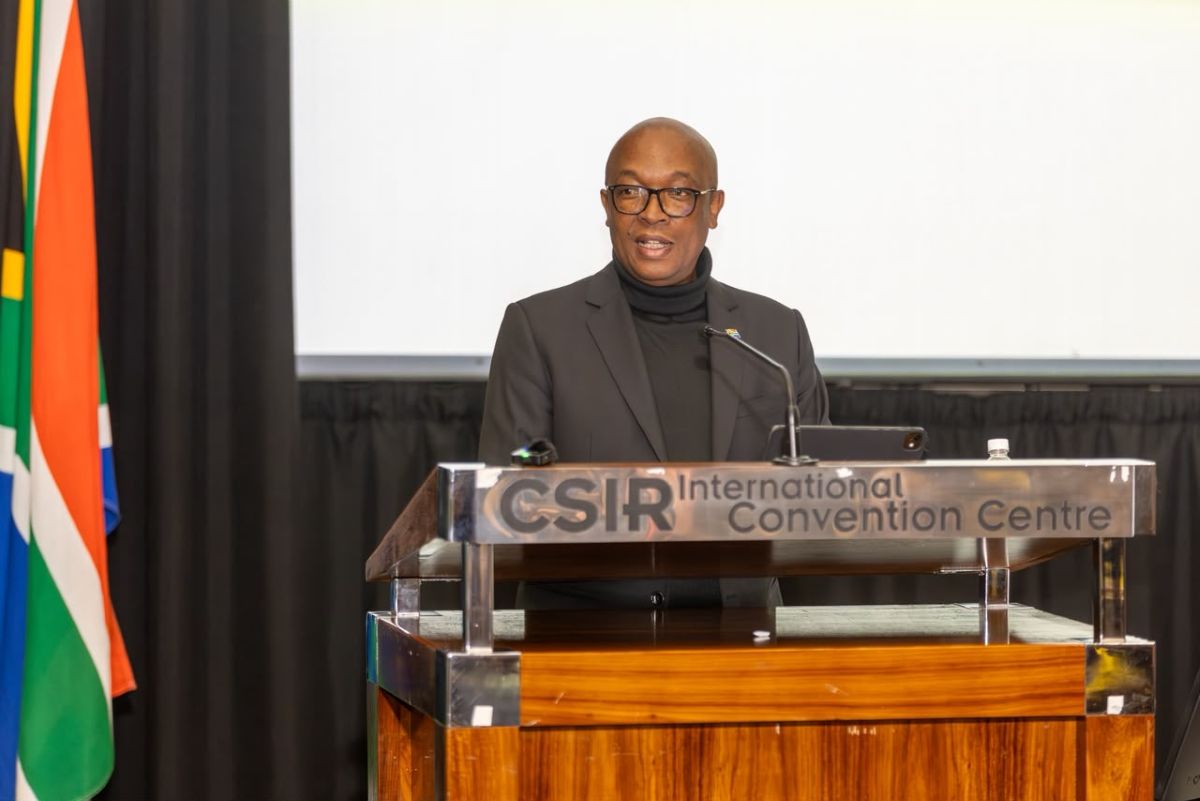
PRETORIA — South Africa’s defence industry is no longer just about military hardware; it is at the core of the country’s high-tech manufacturing future. Addressing nearly 300 government, industry, and academic delegates at the Defence Industry Lekgotla at the CSIR in Pretoria, Minister of Trade, Industry and Competition Parks Tau framed the defence and aerospace sector as a critical driver of South Africa’s broader industrialization agenda.
Highlighting the sector’s advanced capabilities, Tau argued that defence sits at the frontier of high-precision manufacturing, systems engineering, and technological sovereignty. However, realizing its full potential will require government departments to dismantle operational silos and rally behind a coordinated, national industrial plan.
High Export Performance vs. Domestic Contraction
Despite facing severe local procurement cutbacks over the past three decades, South Africa’s defence sector remains a formidable player on the global stage.
- Global Ranking: South Africa ranked 21st globally among exporters of major conventional arms between 2018 and 2023, according to data from the Stockholm International Peace Research Institute (SIPRI).
- Export Intensity: Industry estimates show that more than 80% of total sector revenue is generated through exports, reaching over 115 countries, including more than 40 African nations.
- Rapid Surge in Munitions: Reporting from the National Conventional Arms Control Committee (NCACC) reveals a sharp jump in munitions exports, rising from R907 million in the first quarter of 2025 to R4.9 billion in the second quarter.
As Tau noted, South Africa does not merely have a domestic industry that happens to export, but rather an established export industry that happens to be domestic.
| Key Metric | Past / Comparison Baseline | Current Status |
| Domestic Defence Acquisition | R26.2 billion (1989/90) | R850 million (2017) |
| Sector R&D Funding | R6.1 billion (1989/90) | ~R500 million |
| Direct Employment | 130,000 across 3,000 firms (1990) | ~13,000 across 600 firms |
| Global Export Ranking | — | Top 21 globally (2018–2023) |
The industry ecosystem now comprises over 600 companies—including state-owned Denel, 250 primary private defence firms, and 350 component suppliers. Major global Original Equipment Manufacturers (OEMs) such as Saab, Thales, Rheinmetall, Hensoldt, Damen, Aselsan, Embraer, Airbus, and Safran maintain local operations and joint ventures.
Decades of Domestic Decline and Lost Depth
Despite these export successes, the Minister acknowledged the severe structural contractions that have hit the local market over the last 30 years:
Historical vs. Current Domestic Defence Acquisition (Real Terms)
1989/90: [██████████████████████████████████████████████████] R26.2 Billion
2017: [█] R850 Million
This drastic drop in domestic spending and R&D funding led to significant job losses and a drain of engineering and technical expertise, particularly amidst instability at state-owned enterprises like Denel. Arresting this loss of specialized talent remains a primary risk for policymakers.
Leveraging Strategic Instruments and Capital
To capitalize on surging global defence expenditures—including an estimated $136 billion African defence market—the Department of Trade, Industry and Competition (dtic) and its finance partners are deploying targeted industrial tools:
- Aerospace Industry Support Initiative (AISI): Marking 20 years of operation in 2026, AISI continues to drive supplier localization, technical accreditation, and integration into global supply chains.
- Special Economic Zones (SEZ): Following the 2nd International Special Economic Zones Conference, the dtic is exploring an Aerospace and Defence SEZ Cluster in the Western Cape to unify regional space and aerospace capabilities.
- Industrial Development Corporation (IDC): The IDC is directing capital toward additive manufacturing, robotics, maintenance, repair and overhaul (MRO), and drone technology. Its new Defence Industry Development Plan adopts a “defence-for-development” approach focused on high-value subsystems such as sensing, electronic warfare, and satellite payloads.
- Export Credit Insurance Corporation (ECIC): Active engagements are underway to provide working capital, trade credit, and invoice discounting tailored to exporters.
The “South Africa Inc” Coordination Imperative
A recurring theme of the address was that structural bottlenecks—ranging from NCACC export permit delays to regulatory hurdles with the South African Civil Aviation Authority (SACAA) and a lack of bilateral recognition agreements with foreign aviation regulators—sit at departmental boundaries.
To resolve these friction points, Tau advocated for a unified “South Africa Inc” execution model. This framework brings together key ministries (including the dtic, Defence, International Relations, Police, State Security, Science and Innovation, and National Treasury) alongside entities such as Armscor, CSIR, IDC, and SANSA.
By aligning the sector’s revival with Cabinet’s approval of the SANDF’s 30-year modernization strategy (Journey to Greatness) and the government’s broader Industrial Development Strategy (focusing on decarbonization, digitalization, and diversification), South Africa aims to convert historical technical expertise into sustainable, export-driven economic growth.