
 By
By 
HARARE — In a significant stride toward normalizing its international financial relations, Zimbabwe has successfully secured a staff-level agreement with the International Monetary Fund (IMF) on the first review of its 10-month Staff-Monitored Program (SMP).
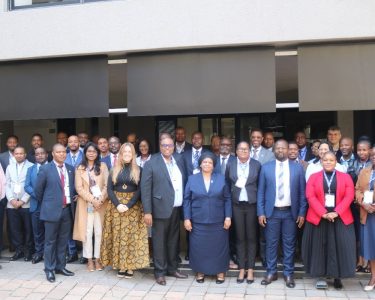
The announcement follows a June 9–18 visit to Harare by an IMF delegation led by Mr. Wojciech Maliszewski. While still subject to final approval by IMF Management, the agreement marks a pivotal breakthrough for the Southern African nation as it navigates structural reforms and seeks to rebuild a track record necessary for eventual debt restructuring and global re-engagement.
Solid Performance Amid Global Headwinds
According to the IMF, Zimbabwe’s macroeconomic performance through the end of March 2026 was largely satisfactory. The government successfully hit all quantitative targets, including critical benchmarks on the primary budget balance, net official international reserves, monetary base growth for the local currency (ZiG), and limitations on new external non-concessional borrowing. On the structural front, authorities met the end-March benchmark aimed at enhancing the quality of the taxpayer register.
However, the review highlighted a persistent challenge in inclusive growth: the government missed its indicative target on protected social and priority spending. The IMF emphasized that this shortfall underscores an urgent need to refine budget execution to ensure timely, critical support reaches the country’s most vulnerable populations.
Despite this, Zimbabwe’s broader economic indicators remain remarkably robust, especially when viewed against a volatile global backdrop. Spillovers from the ongoing conflict in the Middle East have driven up fuel and fertilizer prices, inflated transport costs, and disrupted shipping lanes. Yet, coming off a strong growth rate of 8.3 percent in 2025, Zimbabwe’s economic momentum has persisted into 2026. Supported by a sharp rebound in agriculture, intense mining activity, and high global gold prices, real GDP growth is projected at a solid 5 percent for 2026.
Furthermore, a combination of tight monetary conditions and relative exchange rate stability has kept inflation low, with projections averaging 5.1 percent for the year. Backed by strong agricultural and mining exports alongside steady remittance inflows, the current account is expected to remain in surplus, further padding gross international reserves.
Fiscal Prudence and Monetary Tightening
The IMF lauded Zimbabwe’s fiscal discipline, noting that performance through March outperformed expectations due to robust revenue collection and conservative budget execution. Treasury officials have committed to capping expenditures within the approved 2026 national budget. Crucially, any windfall revenues will be saved as a fiscal buffer to mitigate potential food-security challenges anticipated in 2027.
To preserve long-term fiscal credibility, the IMF urged continued progress on public financial management, commitment controls, and the clearance of domestic arrears to prevent the accumulation of new debts. The fund also welcomed commitments to limit fiscal risks tied to gold delivery incentives, advising authorities to review their long-term relevance in the upcoming 2027 budget.
On the monetary side, the Reserve Bank of Zimbabwe (RBZ) has earned praise for maintaining a hawkish stance. The IMF recommended that this tight policy remain in place until inflation expectations are fully anchored and public confidence in the ZiG strengthens.
Monetary transmission is also undergoing a quiet evolution. The fund welcomed the operationalization of a ZiG-denominated term deposit facility, viewing it as a positive step toward market-based instruments. Over time, the IMF expects the central bank to reduce its reliance on non-negotiable certificates of deposit to help mature the domestic money market. Additionally, plans are underway to develop a comprehensive strategy to further liberalize the foreign exchange market and reform the central bank’s foreign exchange intervention framework.
The Road Ahead: El Niño and Debt Distress
While the near-term outlook is positive, the medium-term horizon carries distinct vulnerabilities. Under baseline conditions, growth is projected to moderate to 4.2 percent in 2027, with inflation remaining in single digits. However, a looming, stronger-than-expected El Niño weather pattern threatens to disrupt the vital agricultural sector, which could drag growth down significantly into the 2–3 percent range. External shocks, particularly a potential escalation of the Middle East war, present further downside risks.
Ultimately, the true test of Zimbabwe’s economic turnaround hinges on its ability to resolve its crippling external arrears. The IMF reiterated that resolving these debts and restoring sustainability are paramount to the country’s re-engagement agenda. While the IMF team—which engaged in constructive dialogues with Finance Minister Professor Mthuli Ncube and RBZ Governor Dr. John Mushayavanhu—welcomed ongoing talks with external partners, it stressed that maintaining momentum under the SMP, reconciling debt data, and establishing a transparent creditor engagement strategy will be the ultimate prerequisites for the next phase of international re-engagement.