
 By
By 
PRETORIA – South Africa’s economy maintained a modest upward trajectory in the opening quarter of 2026, expanding by 0.5%. This growth follows a 0.4% rise in the final quarter of 2025. Measured by production, the latest gross domestic product (GDP) figures reflect a resilient service sector and a strong rebound in farming, which managed to offset deep cuts in manufacturing and fixed investment.
Services and Farming Drive Production
The primary driver of the quarter’s positive momentum was the finance, real estate, and business services industry, which grew by 0.9% and added 0.2 of a percentage point to total GDP growth. This expansion was propelled by heightened activity in financial intermediation and auxiliary financial services.
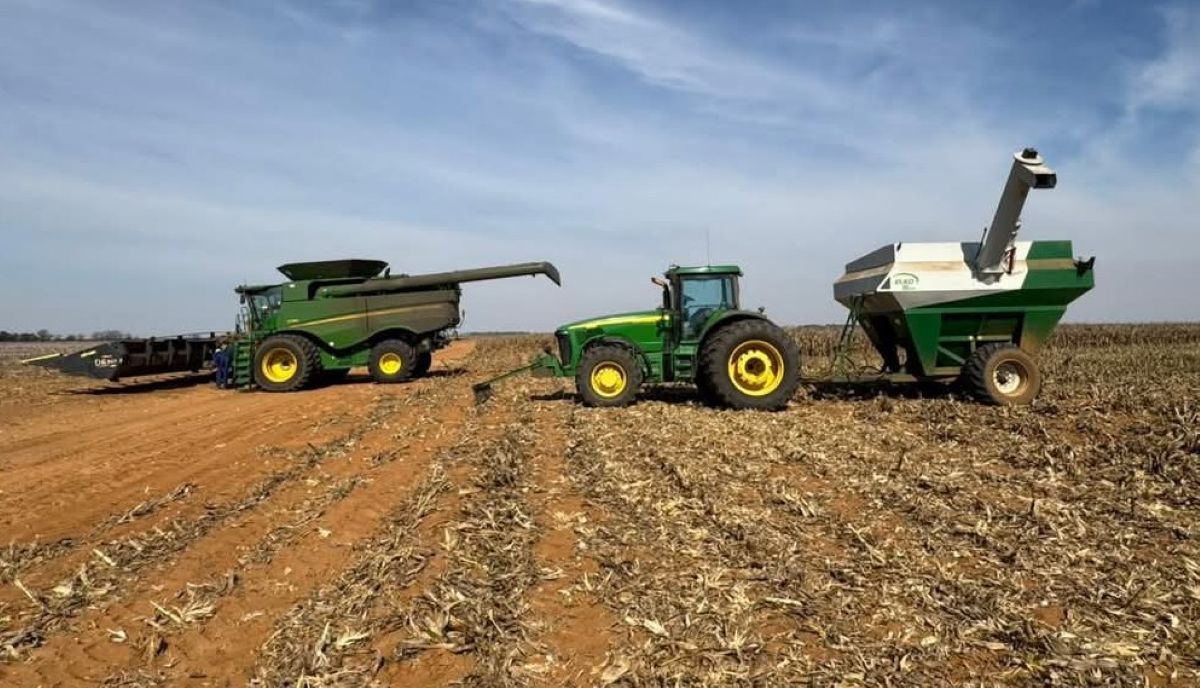
Concurrently, the agriculture, forestry, and fishing industry posted a robust 3.9% increase, adding 0.1 of a percentage point to the headline figure. A strong performance in field crops and horticulture products underpinned the agricultural surge.
Other notable gainers included:
- Trade, catering, and accommodation: Increased by 0.7% (contributing 0.1 of a percentage point), driven by gains in wholesale trade, motor trade, food and beverages, and accommodation.
- Transport, storage, and communication: Also grew by 0.7% (contributing 0.1 of a percentage point), boosted by land transport, air transport, and transport support services.
Conversely, the manufacturing industry contracted by 0.8%, shaving 0.1 of a percentage point off the aggregate growth. Five out of ten manufacturing divisions reported negative growth rates, with the steepest declines seen in petroleum and chemical products, basic iron and steel, and wood and paper products.
Domestic Spending Tepid as Capital Formation Drops
On the expenditure side, real GDP grew by 0.5%, a slight acceleration from the 0.3% recorded in Q4 2025. However, domestic demand showed signs of strain. Household final consumption expenditure (HFCE) grew by a marginal 0.1%, contributing 0.1 of a percentage point to growth. While spending on durable, non-durable, and semi-durable goods was positive—led by transport (up 0.8%) and utilities (up 0.9%)—discretionary spending on restaurants, hotels, and alcoholic beverages contracted.
Meanwhile, general government consumption expenditure increased by 0.6%, adding 0.1 of a percentage point, primarily due to rising employee compensation and purchases of goods and services.
A major red flag appeared in gross fixed capital formation, which slid by 1.1% and dragged overall growth down by 0.2 of a percentage point. The downturn was marked by a sharp 7.2% drop in residential building investments, a 3.4% decline in machinery and equipment, and a 1.8% fall in other assets. Furthermore, businesses drew down R22,4 billion from their inventories, heavily driven by the manufacturing and trade sectors.
Trade Balance Rescues the Quarter
The saving grace for expenditure on GDP came from net exports, which contributed a substantial 0.9 of a percentage point to the total growth. While exports grew by a modest 0.5%—lifted by mineral products, vegetable products, and prepared foodstuffs—imports fell sharply by 2.6%. The reduction in imports was led by a decline in the trade of pearls, precious stones, mineral products, and machinery.
Looking Ahead: Data Overhaul Pending
Economists and analysts will need to adjust their models later this year. Statistics South Africa, alongside the South African Reserve Bank, confirmed they are changing the base year for national accounts to 2022 to align with international best practices.
Notice on National Accounts: Due to this extensive rebasing and benchmarking work, the Supply and Use Tables for 2023 and revised annual estimates will not be published in June 2026. The fully rebased and benchmarked estimates are scheduled for release later in 2026.