
 By
By 
MANGAUNG – The Democratic Alliance (DA) has formally announced its opposition to the Mangaung Metropolitan Municipality’s proposed 2026/2029 Medium-Term Revenue and Expenditure Framework (MTREF) budget, setting up a fierce political showdown over skyrocketing tariff increases.
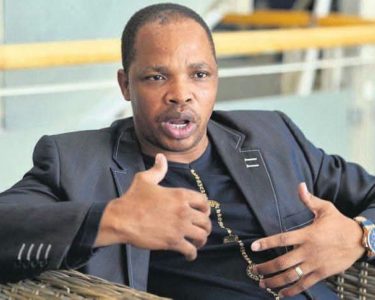
In a scathing statement released Thursday, DA Mangaung Mayoral Candidate Werner Pretorius, MPL, warned that the ANC-led municipality is asking economically strained residents to “pay more” for collapsing services. Pretorius challenged the fiscal credibility of the entire framework, describing it as an unstable “paper exercise” built on unrealistic assumptions rather than financial reality.
A Legacy of Fiscal Instability
At the heart of the opposition’s argument is Mangaung’s notoriously poor revenue collection rate. According to the DA’s assessment, the metro currently collects only around 73% of its budgeted revenue. Despite this, the proposed 2026/2029 budget relies on collection targets far exceeding current capabilities to remain solvent—a move the DA calls a recipe for systemic failure.
“The truth is simple: this municipality is financially unstable because years of ANC corruption, waste, and poor governance have pushed it to the brink,” Pretorius stated.
The DA argues that the discrepancy between projected revenue and actual collection creates a direct, devastating impact on the daily lives of residents. According to the opposition, unfunded mandates and departmental overspending inevitably translate into:
- Severe water outages and rampant sewer spillages
- Frequent electricity failures
- Pothole-ridden roads and sporadic refuse removal
Punishing the Vulnerable
The political battle lines are drawn sharply around the proposed tariff hikes, which the DA argues will disproportionately burden working families, pensioners, and job seekers.
Furthermore, the opposition warns that the local economy is at risk. Property rates and heightened water tariffs are being labeled “irrational charges” that will stifle local business growth, deter external investment, and ultimately kill job creation in a region already desperate for economic stimulus.
“A budget that looks balanced on paper but is built on unrealistic assumptions becomes another broken promise to residents who already pay for services they do not consistently receive,” Pretorius warned.
The Electoral Pitch
With the municipal governance under intense scrutiny, Pretorius used the budget opposition to position the DA as the only viable alternative for fiscal discipline. Drawing a stark contrast, he pointed to DA-governed municipalities as blueprints for success, where public funds are strictly funnelled into infrastructure maintenance, reducing water losses, and driving economic growth.
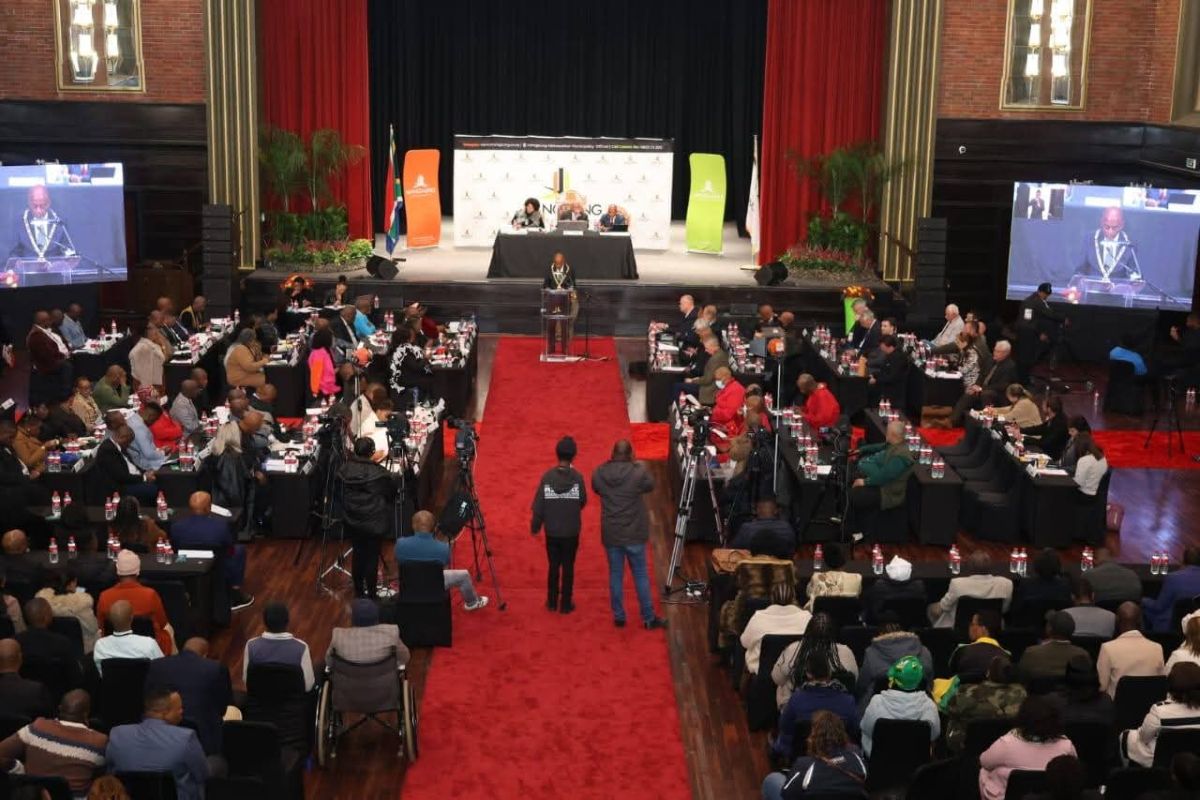
As council debates over the 2026/2029 MTREF approach, the DA has vowed to rigorously interrogate every line item. For the residents of Mangaung, the unfolding political battle is not just about numbers on a ledger; it is about whether they can afford to keep the lights on in a municipality running out of both money and time.