
 By
By Johannesburg — Gauteng is cementing its status as an economic powerhouse, driven by a surge in private sector confidence, targeted skills development, and strategic industrial repositioning.
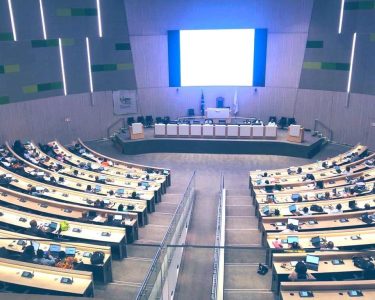
Speaking at a press briefing on Wednesday, 16 September 2026, Gauteng Premier Panyaza Lesufi highlighted the province’s remarkable strides in attracting investment, fostering entrepreneurship, and creating sustainable livelihoods.

At the heart of this economic resurgence is a massive influx of capital. Following the Gauteng Investment Conference held in April, the province secured R200 billion in new private investment pledges.
This milestone pushes Gauteng’s cumulative investment total over the past two years to more than R500 billion. According to Premier Lesufi, these capital injections are projected to generate nearly 200,000 jobs, providing a vital boost to employment and household incomes across the region.
Strategic Sectors Driving Growth
The billions secured are not spread thin; rather, they are strategically targeted to reshape Gauteng’s industrial landscape. A significant share of the investments is concentrated in the agro-processing sector as the province actively repositions itself as a regional agricultural hub.
Concurrently, the manufacturing and automotive sectors have received monumental votes of confidence. Automotive giants BMW and Chery have recommitted their investments to the province, anchoring Gauteng’s long-term industrial capability. This robust commitment underscores investor trust in the region’s infrastructure, strategic location, and skilled workforce.
Empowering SMMEs and Local Economies
Economic transformation, however, extends beyond large multinational corporations. Recognizing the critical role of small, medium, and micro-enterprises (SMMEs) and entrepreneurs, the provincial government launched Market Access Expansion Workshops in June. These initiatives are designed to bridge the gap between small-scale suppliers and major retailers, helping local businesses and manufacturers meet stringent commercial and quality standards.
Further supporting grassroots economic development, the province hosted the Local Economic Development (LED) Strategy Assessment Workshop to refine municipal economic plans. In tandem, the 4th Gauteng Women in Business Conference targeted systemic barriers, equipping women-owned enterprises with enhanced access to markets, financial resources, and lucrative contracts.
Future-Proofing the Workforce
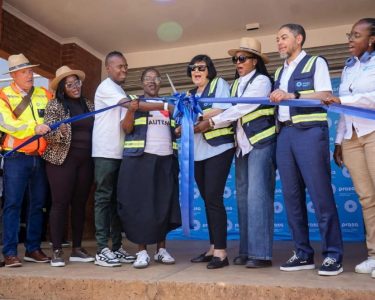
To sustain this industrial momentum, Gauteng is heavily investing in human capital. In July, the Automotive Learning Centre was officially relaunched as the Manufacturing Centre of Excellence. Moving beyond traditional manufacturing training, the facility is equipped to upskill workers in cutting-edge disciplines, including robotics, artificial intelligence (AI), and electric vehicle (EV) technologies. This ensures that Gauteng’s workforce remains globally competitive and ready for the demands of the modern digital and green economy.
Premier Lesufi emphasized that these multi-faceted interventions share a unified objective: ensuring that macroeconomic growth directly translates into tangible opportunities, meaningful employment, and elevated livelihoods for all residents of Gauteng. As these investments materialize on the ground, the province is well on its way to building a resilient, inclusive, and future-proof economy.